
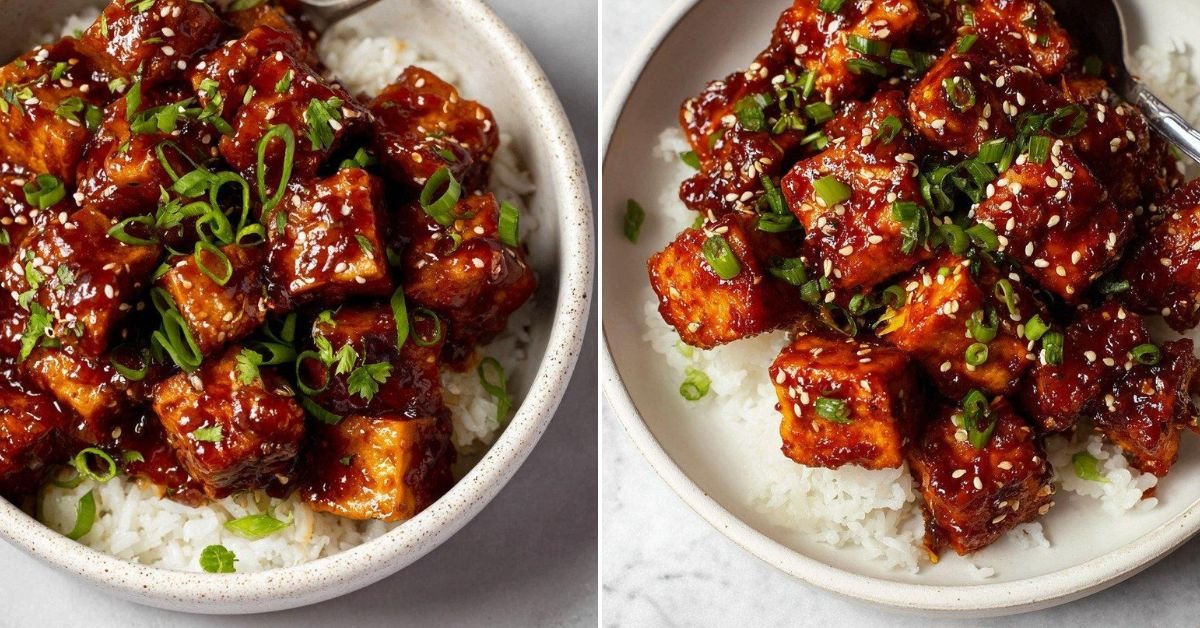
I’ll be honest, tofu used to intimidate me. It just sat there, looking all plain, daring me to do something exciting with it. Then I met gochujang, that fiery, slightly sweet Korean chili paste, and suddenly tofu wasn’t boring anymore—it was the star of dinner. This dish has that perfect kick that wakes up your taste buds, but it’s still cozy enough for a weeknight meal. What I love most is how it feels like takeout comfort food but without the guilt or the greasy box. You crisp up the tofu until it’s golden, toss it in that sticky, glossy gochujang sauce, and every bite is this addictive mix of savory, spicy, and just a touch sweet. You know the kind of dish where you keep telling yourself ‘just one more piece’—yeah, that’s this one. If you’re exploring korean vegetarian recipes or hunting for vegetarian korean recipes that actually taste as good as they sound, this one is a keeper. It’s a tofu asian recipe that makes me want to eat straight out of the pan, and it pairs beautifully with rice or even tucked in lettuce wraps. If you’ve ever looked at tobboki korean recipe ideas or chinese tofu recipes and thought ‘I want something like that but simpler,’ this is your answer. Among all the asian vegetarian recipes I’ve tried, this tofu recipes combo hits the sweet spot between bold flavor and easy prep.
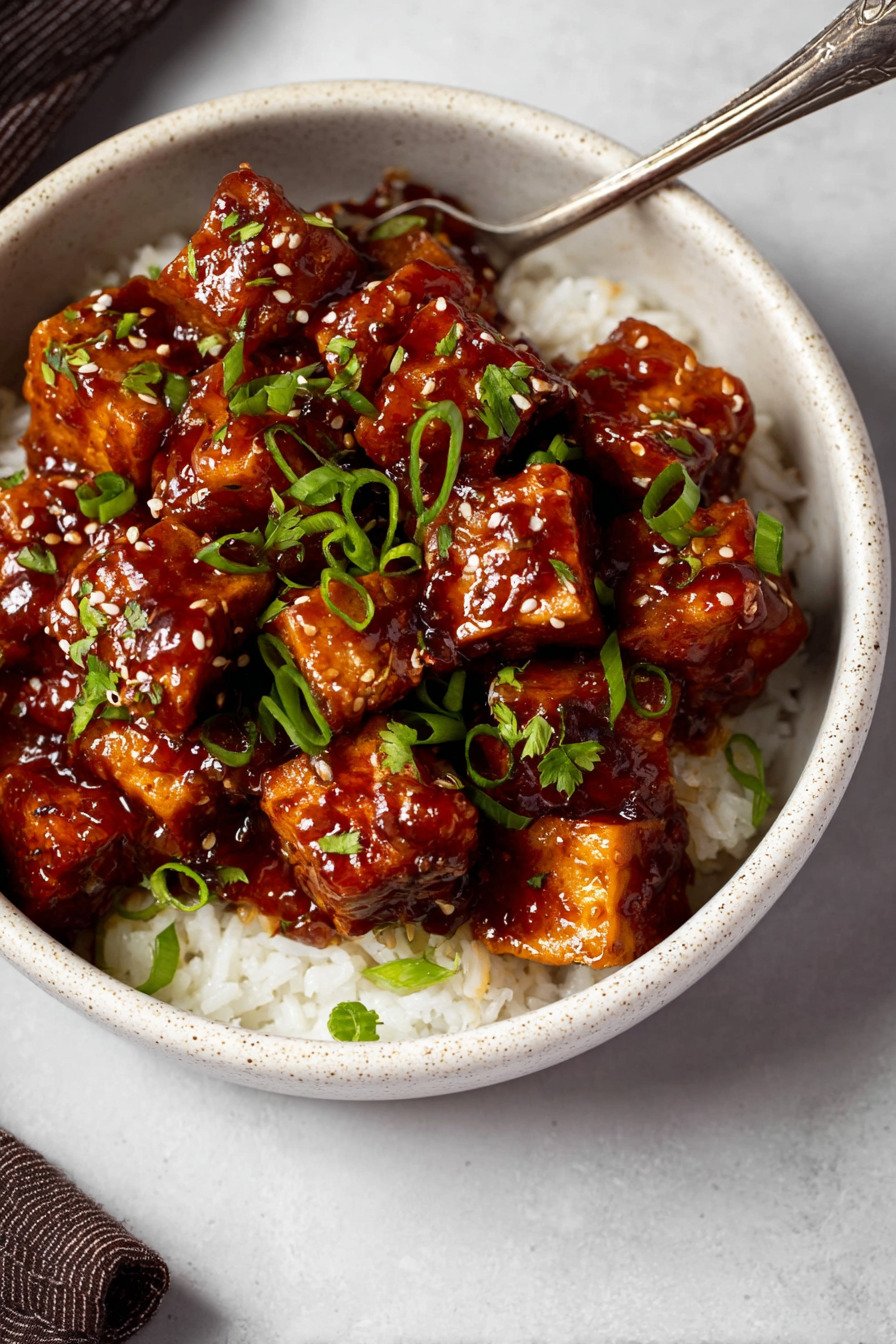
Table of Contents
- 1) Key Takeaways
- 2) Easy Gochujang Tofu Recipe
- 3) Ingredients for Gochujang Tofu
- 4) How to Make Gochujang Tofu
- 5) Tips for Making Gochujang Tofu
- 6) Making Gochujang Tofu Ahead of Time
- 7) Storing Leftover Gochujang Tofu
- 8) Try these Main Course next!
- 9) Gochujang Tofu
- 10) Nutrition
1) Key Takeaways
- This Korean vegetarian recipe brings crispy tofu coated in a sweet and spicy gochujang sauce.
- It’s quick enough for weeknights but flavorful enough to impress guests.
- Pairs perfectly with rice or lettuce wraps for a balanced meal.
- Stores well for a couple of days and tastes even better reheated.
2) Easy Gochujang Tofu Recipe
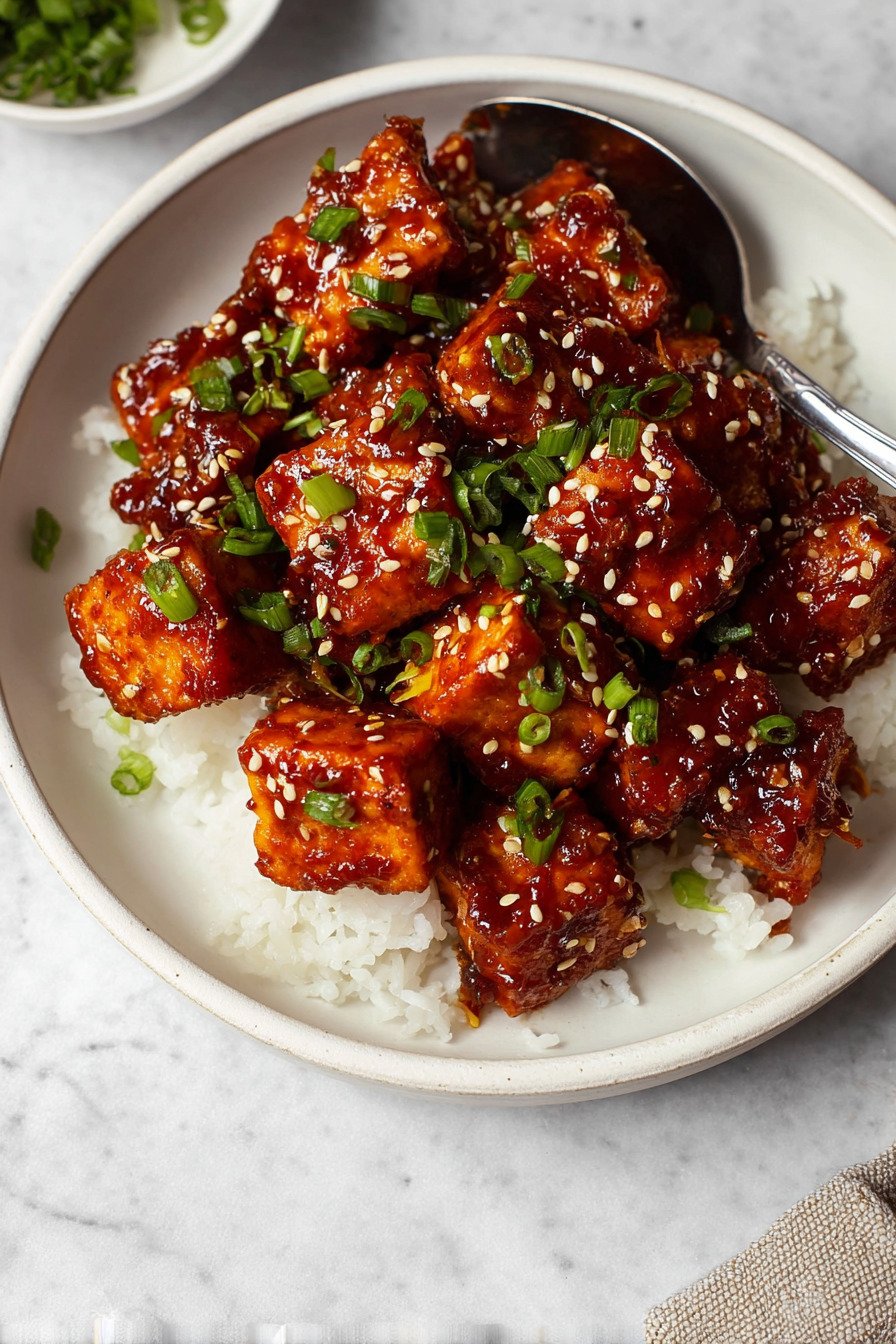
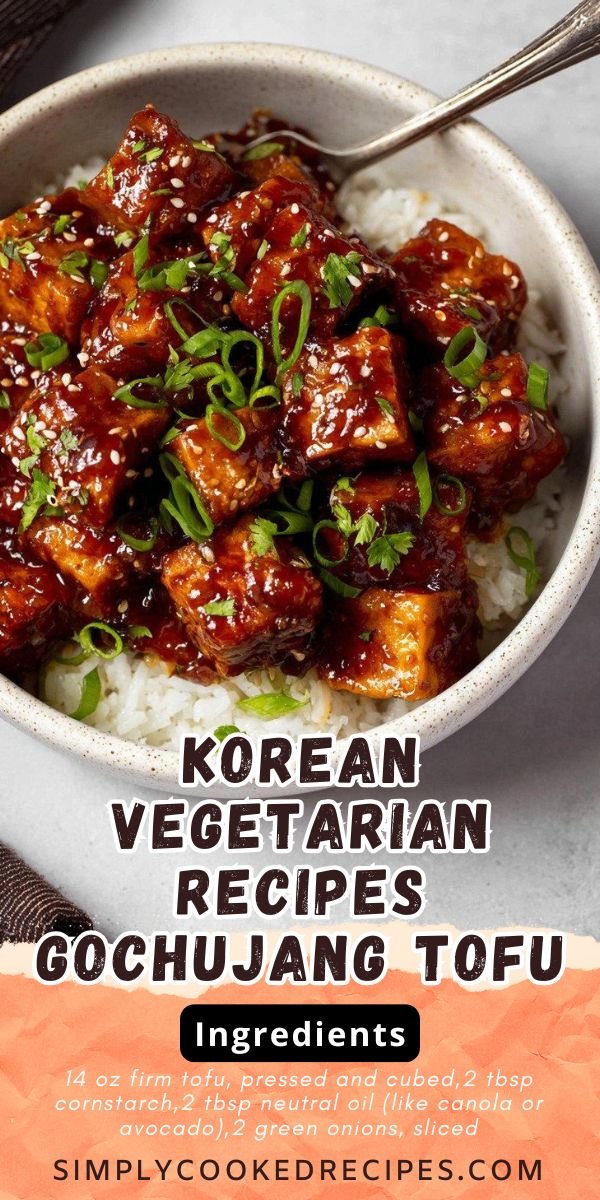
When I first tried making gochujang tofu, I wasn’t sure how it would turn out. I mean, tofu has a reputation for being bland if you don’t treat it right. But once I paired it with gochujang, it became one of those Korean vegetarian recipes I couldn’t stop making. The tofu gets crispy on the outside and tender on the inside, while the sauce clings to every little edge like it was meant to be there. Honestly, it’s the kind of recipe that makes you feel like you’ve pulled off something way fancier than you actually did.
What I love is that it takes less than 40 minutes, start to finish. No complicated steps, no long list of ingredients that leave you searching through specialty aisles for hours. It’s straightforward cooking with a huge payoff. You chop, press, toss, fry, and then watch that glossy sauce turn your tofu into a plate of comfort food that could rival takeout.
If you’ve been on the hunt for vegetarian Korean recipes that feel approachable and satisfying, this one fits the bill. It’s bold without being overwhelming, and it’s flexible enough to serve however you like. I’ve eaten it over rice, tucked into lettuce wraps, and even cold from the fridge. Every version works. That’s why I keep this recipe on repeat at Simply Cooked Recipes.
3) Ingredients for Gochujang Tofu
Firm Tofu: I always go for firm tofu because it holds its shape when you press and fry it. Softer tofu won’t give you that golden crust that makes this recipe so addictive. Pressing out the water makes all the difference, so don’t skip that step.
Cornstarch: This little powder might not look like much, but it transforms tofu. A light coating gives each cube that crisp, restaurant-style bite we all secretly crave when we think of Chinese tofu recipes or any tofu Asian recipe we love ordering out.
Neutral Oil: A splash of canola or avocado oil works perfectly. I like how it lets the tofu crisp without adding extra flavor that might fight the sauce.
Gochujang: This Korean chili paste is where the magic happens. It’s spicy, slightly sweet, and deeply savory. If you’re exploring Asian vegetarian recipes, this is the ingredient you’ll keep in your fridge and reach for again and again.
Soy Sauce: Salty and rich, it balances the heat and sweet from the gochujang. It’s the kind of pantry staple that earns its spot on every shelf.
Rice Vinegar: A splash of tang that keeps the sauce from being too heavy. It brightens each bite so the flavors don’t weigh you down.
Maple Syrup or Honey: Just enough sweetness to round things out. It ties the whole sauce together so you want bite after bite.
Garlic and Ginger: I can’t make a tofu recipes collection without these. They’re the backbone of the sauce, giving it warmth and depth.
Green Onions and Sesame Seeds: Fresh, nutty, and a little crunchy, they’re the finishing touch that makes the dish look and taste complete.

4) How to Make Gochujang Tofu
Step 1. Start with pressing the tofu. Lay it between paper towels or a clean kitchen towel and set something heavy on top. Let it sit for 15 minutes to push out that extra water. This step gives you tofu that’s ready to crisp.
Step 2. Cut the pressed tofu into bite-sized cubes. Toss them gently in cornstarch until they’re coated on all sides. It’ll feel like dusting snow, and the cubes should look a little powdery before frying.
Step 3. Heat the oil in a skillet over medium heat. Add the tofu cubes in a single layer. Let them sizzle until they’re golden brown, then flip to crisp the other sides. Once they’re done, transfer them to a plate lined with paper towels.
Step 4. In the same skillet, whisk together gochujang, soy sauce, rice vinegar, maple syrup, garlic, ginger, and water. Simmer the sauce until it thickens slightly, and the kitchen starts smelling like an Asian takeout spot.
Step 5. Add the crispy tofu back into the pan. Toss everything together until the sauce clings to each cube like a sticky coat. This is where the magic happens—the tofu soaks in all that flavor and shines.
Step 6. Plate it up. Sprinkle with sesame seeds and sliced green onions. Serve over rice, tuck into lettuce cups, or enjoy straight from the skillet if patience isn’t your thing.

5) Tips for Making Gochujang Tofu
I’ve learned a few tricks along the way to make this recipe even better. First, don’t rush the pressing step. The more moisture you pull out, the crispier the tofu will get. Trust me, soggy tofu doesn’t do justice to this dish. Second, use a nonstick skillet if you have one. It saves you the frustration of tofu sticking and breaking apart before it has a chance to crisp.
I like to keep an extra spoon of gochujang on the side. Sometimes, I stir it in at the end if I want more heat. Other times, I serve it mild so everyone at the table can add spice to their taste. It’s flexible that way, which makes it family-friendly too.
If you’re used to tobboki Korean recipe flavors or curious about trying new Asian vegetarian recipes, this dish bridges the gap. It brings that sweet, spicy balance you expect from classic Korean comfort food but keeps the prep manageable for a weeknight cook like me.
6) Making Gochujang Tofu Ahead of Time
Sometimes I make this dish in the morning and reheat it later. The flavors actually deepen after a few hours. The sauce soaks into the tofu more, giving each piece a richer taste. It’s one of those vegetarian Korean recipes that doesn’t lose its charm when reheated.
If I’m making it ahead, I usually fry the tofu first, then store it separately from the sauce. That way, I can reheat the tofu in a skillet until it crisps again before tossing it in the warm sauce. It feels freshly cooked without the extra time.
For meal prep, I portion everything into containers with rice and veggies. It turns into a quick grab-and-go lunch that tastes like effort, even though I spent only 30 minutes in the kitchen.
7) Storing Leftover Gochujang Tofu
Leftovers are a blessing with this recipe. Store the tofu in an airtight container in the fridge for up to three days. I recommend keeping the tofu and rice separate so the grains don’t turn sticky. A quick microwave or skillet warm-up brings everything back to life.
I’ve even eaten it cold, straight from the container, and it was still delicious. The flavors mellow out overnight, giving the sauce a deeper sweetness that balances the heat. It’s a win either way.
If you’re someone who meal preps or likes having ready-to-eat meals, this tofu recipe makes your fridge look like it’s stocked by a pro. It holds up well, reheats nicely, and never feels like leftovers.
8) Try these Main Course next!
9) Gochujang Tofu
Korean Vegetarian Recipes Gochujang Tofu Dinner Idea
Ingredients
- 14 oz firm tofu, pressed and cubed
- 2 tbsp cornstarch
- 2 tbsp neutral oil (like canola or avocado)
- 2 green onions, sliced
- 1 tbsp sesame seeds
- Cooked rice, for serving
- For the sauce:
- 3 tbsp gochujang
- 2 tbsp soy sauce
- 1 tbsp rice vinegar
- 1 tbsp maple syrup or honey
- 2 cloves garlic, minced
- 1 tsp fresh ginger, grated
- 2 tbsp water
Instructions
- Press the tofu for at least 15 minutes to remove excess moisture, then cut it into cubes.
- Toss the tofu cubes in cornstarch until coated evenly.
- Heat oil in a skillet over medium heat and cook tofu until golden brown on all sides. Remove and set aside.
- In the same skillet, whisk together gochujang, soy sauce, rice vinegar, maple syrup, garlic, ginger, and water. Simmer until slightly thickened.
- Add the crispy tofu back into the skillet and toss until well coated with the sauce.
- Serve hot with rice, sprinkle with green onions and sesame seeds.
10) Nutrition
Serving Size: 1/4 of the recipe, Calories: 210, Protein: 12g, Fat: 10g, Carbohydrates: 18g, Fiber: 2g, Sugar: 5g
Written by Kathy for Simply Cooked Recipes. Find more recipes at SimplyCookedRecipes.com.
Leave a Comment