
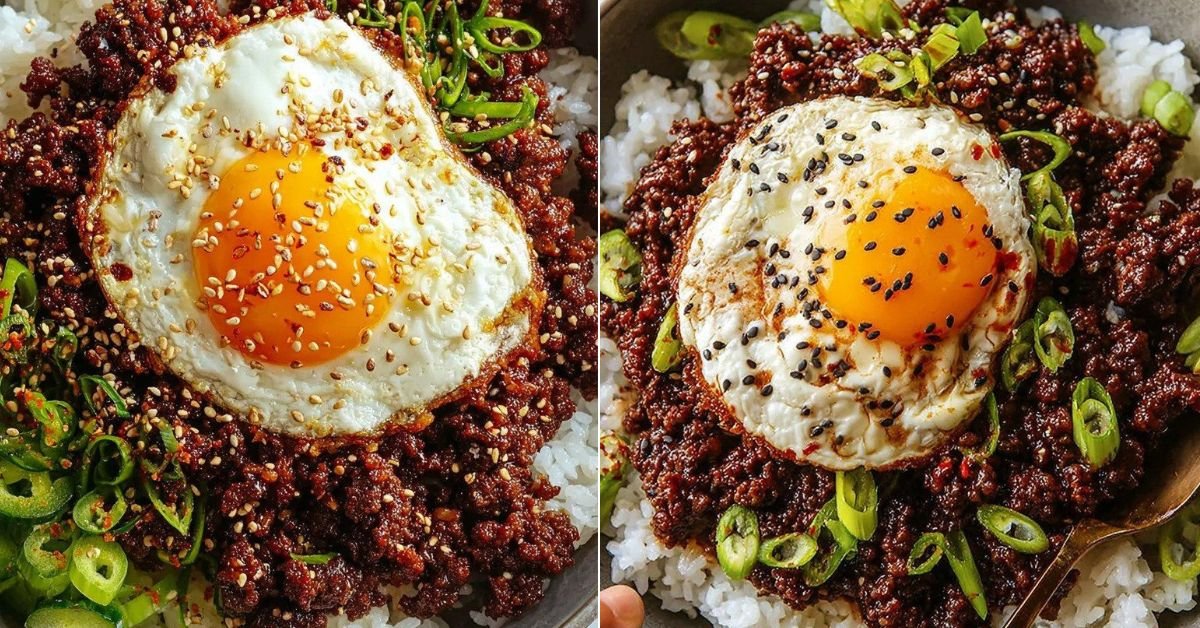
1) What I Learned Testing This Korean Ground Beef Bowl
When a fast beef bowl turns greasy, salty, or flat, dinner stops feeling simple. I’m Kathy, and I tested this korean ground beef bowl after a few rushed weeknight attempts left the beef watery and the garlic too sharp. The discovery was timing: brown the beef first, then add garlic, ginger, soy sauce, and sesame so the flavor clings instead of steaming away. That small adjustment made this one of my korean meals easy enough for tired nights, but still comforting enough to feel like a calm family dinner.
Table of Contents
- 1) What I Learned Testing This Korean Ground Beef Bowl
- 2) Key Takeaways
- 3) Easy Korean Ground Beef Bowl (25-Minutes): Easy & Delicious Comfort Recipe
- 4) Why Most Korean Ground Beef Bowl (25-Minutes): Easy & Delicious Comfort Recipes Fail
- 5) Ingredients for Korean Ground Beef Bowl (25-Minutes): Easy & Delicious Comfort
- 6) How to Make Korean Ground Beef Bowl (25-Minutes): Easy & Delicious Comfort
- 7) Recipe Card: Korean Ground Beef Bowl (25-Minutes): Easy & Delicious Comfort
- 8) Tips for Making Korean Ground Beef Bowl (25-Minutes): Easy & Delicious Comfort
- 9) Common Mistakes & Fixes
- 10) How to Tell Korean Ground Beef Bowl Has the Right Texture
- 11) Professional Secrets Behind Better Korean Ground Beef Bowl
- 12) Best Dishes or Pairings to Serve With Korean Ground Beef Bowl
- 13) Making Korean Ground Beef Bowl Ahead of Time
- 14) Storing Leftover Korean Ground Beef Bowl
- 15) FAQ (Real Cooking Questions)
- 16) Save This Korean Ground Beef Bowl Recipe
- 17) Conclusion
- 18) Nutrition
2) Key Takeaways
- Brown before saucing: The beef needs direct heat first so it tastes savory and caramelized instead of wet.
- Add garlic and ginger after the beef cooks: This keeps the aromatics fragrant without burning them in the hot skillet.
- Use hot rice: Warm rice absorbs the soy-sesame juices better and keeps the bowl comforting from the first bite.
- Finish with fresh toppings: Green onions, sesame seeds, or a fried egg add contrast so the bowl does not feel heavy.
3) Easy Korean Ground Beef Bowl (25-Minutes): Easy & Delicious Comfort Recipe
This korean ground beef bowl works because it treats ground beef like a quick skillet protein instead of a sauce-heavy filling. The beef is browned over medium-high heat until fully cooked, then garlic and ginger are stirred in when the pan is already flavorful. Soy sauce seasons the meat, sesame adds nutty depth, and cooked rice turns the mixture into a complete bowl. The goal is not a soupy mixture; the best version has juicy beef crumbles that lightly coat the rice with savory flavor.
For cooks looking for easy ground beef meals, the main advantage is order. Measuring and chopping first prevents the garlic from sitting too long in the pan, and adding toppings at the end keeps the bowl fresh. This method also fits asian inspired ground beef recipes because the flavor comes from a short, focused list of ingredients used at the right moment.
4) Why Most Korean Ground Beef Bowl (25-Minutes): Easy & Delicious Comfort Recipes Fail
Most failed beef bowls have the same problem: the skillet gets crowded, the beef releases moisture, and the cook adds sauce before the meat has time to brown. When that happens, the beef steams instead of caramelizing, which creates a pale, watery mixture with thin flavor. The fix is simple but important: use medium-high heat, let the beef cook until no pink remains, and give some pieces enough contact with the pan to develop browned edges.
Another common failure is burned garlic. Garlic and ginger are small aromatics, so they can scorch if they hit a dry, overheated pan too early. Adding them after the beef is cooked protects them with the beef juices and lets their aroma bloom quickly. A good sign is a warm, savory smell within about a minute; a bitter smell means the heat was too aggressive.
Flat flavor usually comes from poor balance. Soy sauce brings salt and umami, sesame brings aroma, ginger adds warmth, and fresh toppings bring lift. If one part is missing or overused, the bowl can taste either dull or harsh. The final bowl should taste savory, slightly nutty, and balanced against the rice rather than salty on its own.
5) Ingredients for Korean Ground Beef Bowl (25-Minutes): Easy & Delicious Comfort
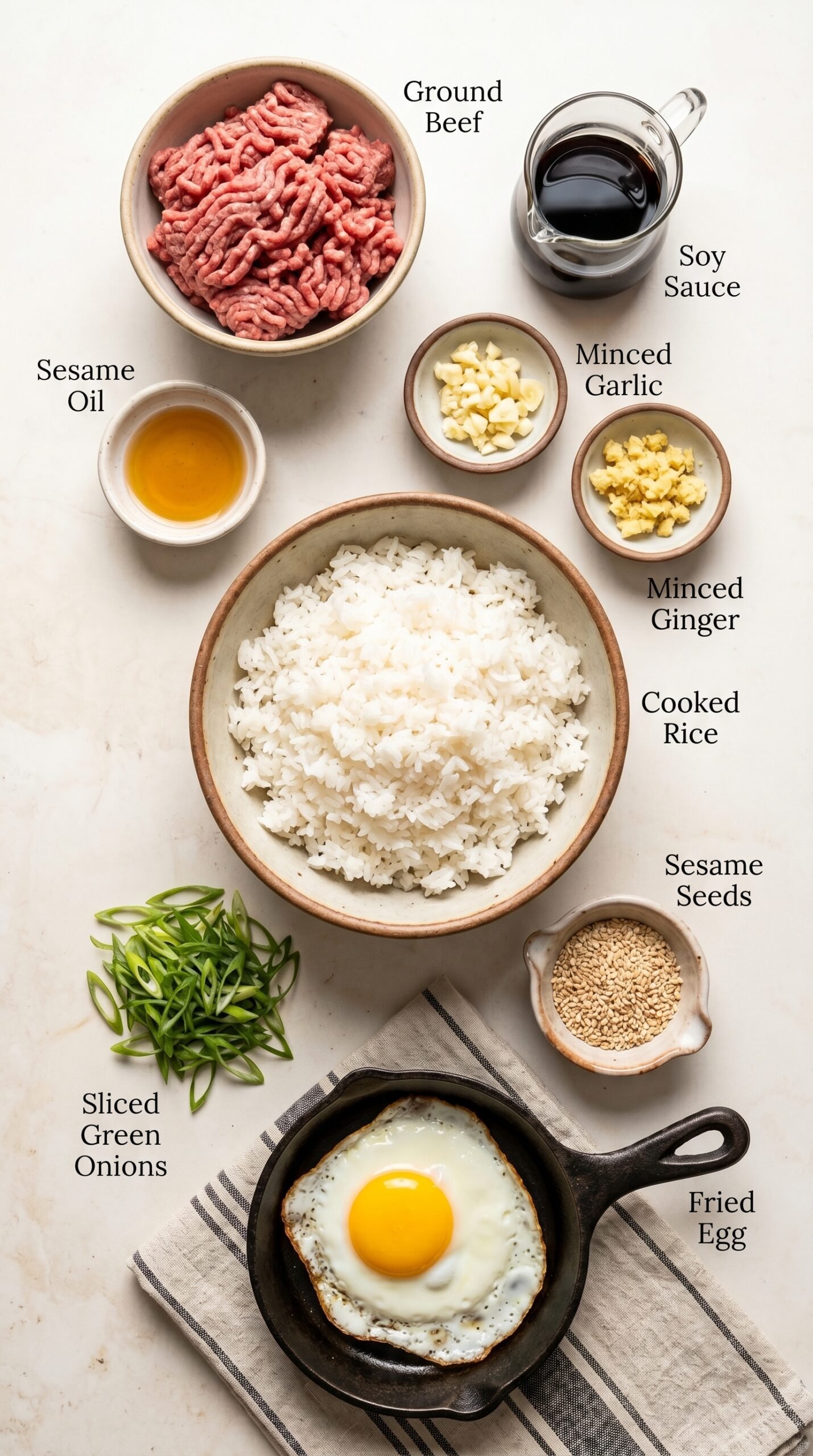
Ground beef: The 80/20 blend gives enough fat for browning and flavor. Use it when you want juicy crumbles that do not taste dry. Leaner beef can work, but it may need gentler reheating because it loses moisture faster.
Soy sauce or tamari: This seasons the beef and gives the bowl its savory backbone. Add it after the beef browns so it reduces into the meat instead of preventing browning. Tamari keeps the same general flavor direction while offering a gluten-free option.
Sesame: Sesame adds the nutty aroma that makes the bowl taste rounded. Add it with the sauce stage so the fragrance stays noticeable. Too much can make the bowl feel heavy, while too little leaves the flavor flatter.
Garlic: Minced garlic gives depth and a savory edge. It works best after browning because the beef protects it from scorching. If garlic is added too early, it can turn bitter before the beef is done.
Ginger: Minced ginger cuts through the richness of the beef and adds warmth. Use it with the garlic so both aromatics bloom together. Powdered ginger will taste less fresh and slightly sweeter, so fresh minced ginger gives a cleaner result.
Cooked rice: Jasmine, basmati, or brown rice turns the beef into a full bowl. Warm rice is best because it catches the seasoned juices. Cold rice can make the beef mixture cool down too quickly unless reheated first.
Optional toppings: Green onions add freshness, sesame seeds add light crunch, and a fried egg adds richness. Add toppings at the end so they keep their texture and do not disappear into the hot beef.
- 80/20 beef vs lean beef: 80/20 browns with more flavor, while lean beef can taste cleaner but dries out more easily.
- Soy sauce vs tamari: Soy sauce gives classic salty depth, while tamari offers a similar savory profile with a slightly rounder finish.
- Hot rice vs cold rice: Hot rice absorbs the beef juices better; cold rice should be warmed before serving.
- Fresh garlic and ginger vs dried: Fresh aromatics create a brighter, cleaner bowl, while dried versions taste more muted.
6) How to Make Korean Ground Beef Bowl (25-Minutes): Easy & Delicious Comfort
Step 1: Measure the soy sauce, prepare the sesame, mince the garlic and ginger, warm the cooked rice, and slice any toppings before heating the skillet. This keeps the cooking smooth because the beef moves quickly once it starts browning.
Step 2: Place the ground beef in a skillet over medium-high heat and break it into small crumbles. Let it cook until fully browned with no pink remaining. If liquid gathers in the pan, keep cooking uncovered so the moisture reduces instead of trapping the beef in steam.
Step 3: Stir in the minced garlic and ginger once the beef is cooked. The aroma should turn warm and savory quickly. Do not walk away at this point because minced aromatics can burn fast in a hot skillet.
Step 4: Add the soy sauce and sesame, then mix until the beef is evenly coated. The mixture should look glossy but not soupy. If you are adding chopped vegetables, cook them only until tender-crisp so they keep color and bite.
Step 5: Spoon the beef mixture over cooked rice while hot, then finish with green onions, sesame seeds, a fried egg, or other optional toppings. Stop cooking once the beef is coated and fragrant; extra time can make the crumbles dry.

7) Recipe Card: Korean Ground Beef Bowl (25-Minutes): Easy & Delicious Comfort
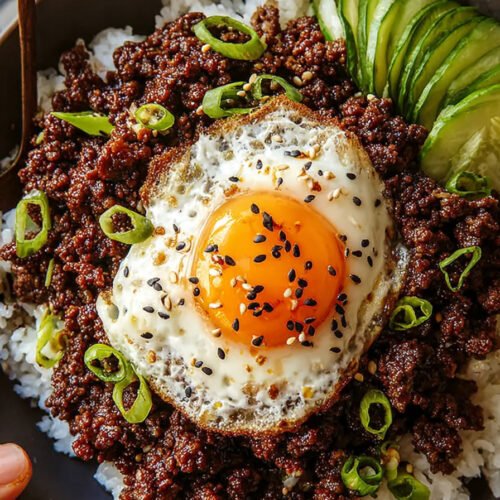
Korean Ground Beef Bowl (25-Minutes): Easy & Delicious Comfort
Ingredients
- 1 pound ground beef (80/20), for a juicy, browned beef mixture with enough fat for flavor
- 2 tablespoons soy sauce (or tamari), to season the beef and create a savory sauce base
- 1 tablespoon sesame oil, added for nutty aroma and classic Asian-inspired flavor
- 3 cloves garlic (minced), stirred in after browning so it turns fragrant without burning
- 1 teaspoon ginger (minced), for warm, fresh bite that balances the richness of the beef
- 2 cups cooked rice (jasmine, basmati, or brown), warmed and ready for serving
- Optional toppings: green onions, sesame seeds, fried egg, for freshness, crunch, and extra richness
Instructions
- Prepare all ingredients by measuring the soy sauce and sesame oil, mincing the garlic and ginger, warming the cooked rice, and slicing any toppings before the beef goes into the pan.
- In a large skillet over medium-high heat, brown the ground beef for 6 to 8 minutes, breaking it into small crumbles until no pink remains and the edges begin to caramelize.
- Stir in the minced garlic and ginger, then add the soy sauce and sesame oil; cook for 1 to 2 minutes, mixing well so the aromatics smell fragrant and the beef absorbs the sauce evenly.
- Add your choice of chopped vegetables if using them, and cook just until tender-crisp so they keep color and texture instead of turning soft.
- Serve the beef mixture over the cooked rice, then garnish with green onions, sesame seeds, a fried egg, or any optional toppings while the bowl is hot.
8) Tips for Making Korean Ground Beef Bowl (25-Minutes): Easy & Delicious Comfort
Use a skillet wide enough for the beef to spread out. When beef is piled too deeply, it releases liquid faster than the pan can evaporate it, which weakens browning. If your skillet is small, let the beef sit undisturbed for short bursts before stirring so some pieces can caramelize.
Do not add soy sauce before the beef is fully cooked. Salt pulls moisture from meat, and early soy sauce can encourage steaming. Browning first creates a deeper base, then the soy sauce clings to the cooked crumbles. This is the small technique that makes the bowl taste more complete.
Keep the rice warm and ready. The beef mixture is quick, and hot rice helps the seasoned juices absorb instead of pooling at the bottom of the bowl. For ground beef meals healthy enough for meal prep, brown rice and extra tender-crisp vegetables can add fiber and texture without changing the main method.
9) Common Mistakes & Fixes
Problem: The beef tastes watery. Cause: The skillet was crowded, the heat was too low, or sauce was added before browning. Fix: Cook uncovered over medium-high heat until the liquid reduces and the beef edges deepen in color.
Problem: The garlic tastes bitter. Cause: Garlic was added too early or cooked too long on high heat. Fix: Add garlic and ginger after the beef is cooked, then stir just until fragrant before adding the soy sauce and sesame.
Problem: The bowl tastes too salty. Cause: The beef mixture was tasted alone instead of with rice, or extra soy sauce was added too quickly. Fix: Taste the beef with a spoonful of rice before adjusting, because rice softens the salt level.
Problem: The toppings taste limp. Cause: Fresh toppings were stirred into the hot skillet too early. Fix: Add green onions, sesame seeds, and fried egg after the beef is already served over rice.
10) How to Tell Korean Ground Beef Bowl Has the Right Texture
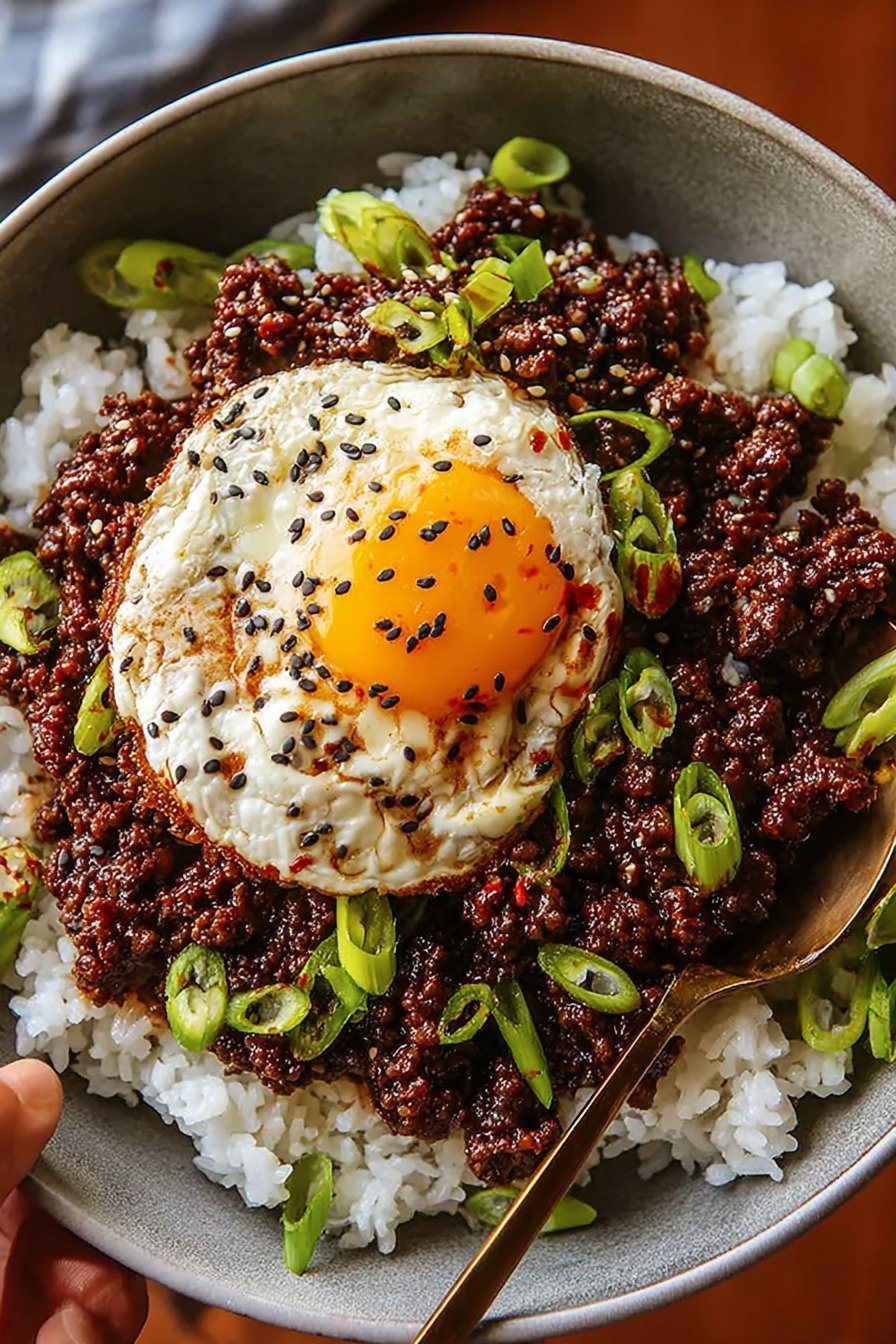
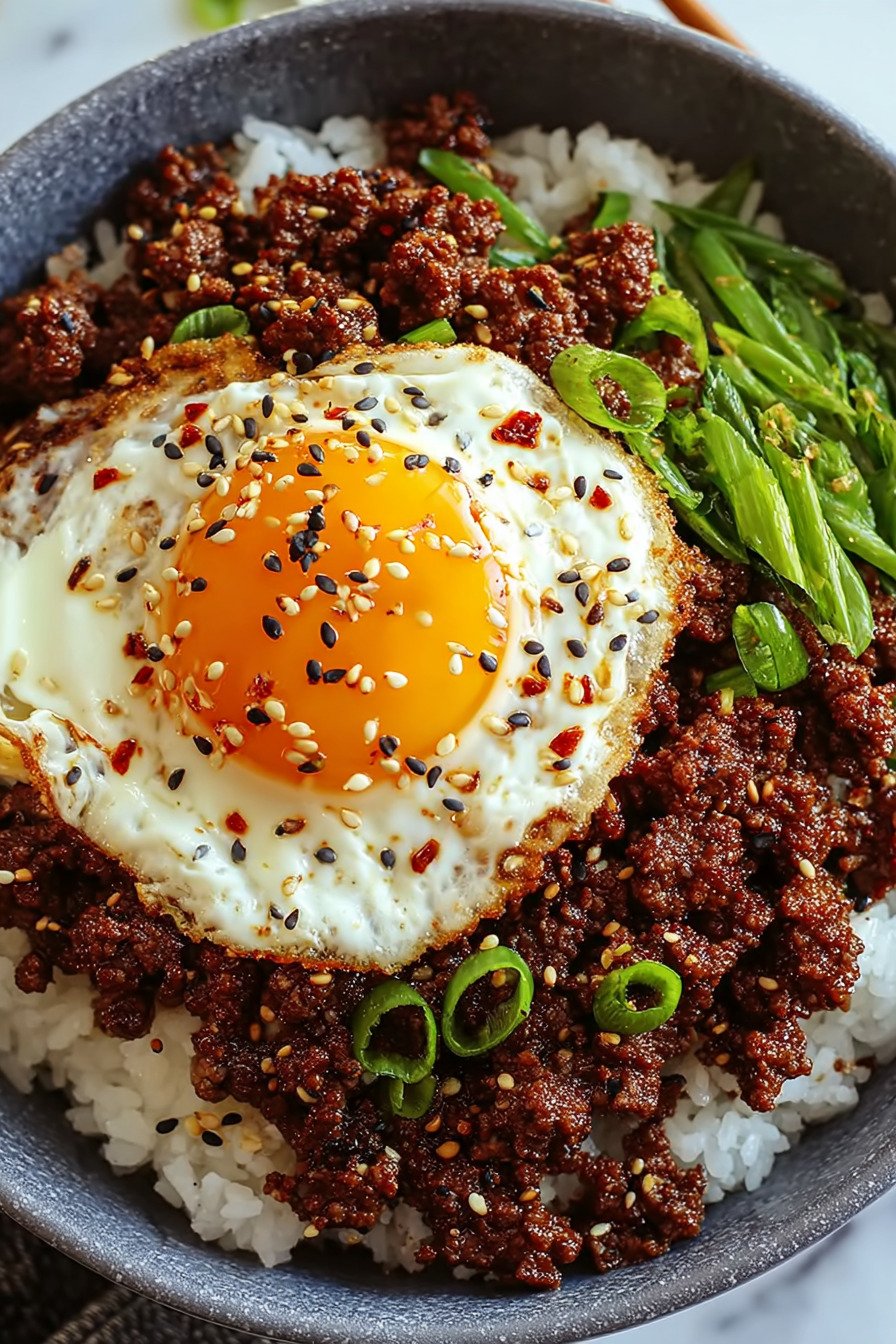
A finished korean ground beef bowl should have small, juicy beef crumbles that look lightly glossy, not oily or wet. The rice should stay fluffy underneath, with enough sauce to flavor it but not enough liquid to pool in the bowl. The garlic and ginger should smell warm and savory, the sesame should be noticeable but not heavy, and the toppings should add a fresh contrast.
Failure signs are easy to spot. If the beef looks gray and sits in liquid, it steamed instead of browned. If the mixture pulls dry and crumbly across the pan, it cooked too long after saucing. If the aroma smells sharp or bitter, the garlic likely scorched. The right result tastes savory, balanced, and comforting with a clean ginger finish.
11) Professional Secrets Behind Better Korean Ground Beef Bowl
The biggest professional-style move is controlling moisture. Browning is not just about color; it changes the flavor of the beef through direct contact with heat. Letting the beef cook until the moisture reduces gives the soy sauce a better surface to cling to. That is why the same ingredients can taste thin in one skillet and deeply savory in another.
Another useful technique is layering aroma at the end of cooking. Garlic, ginger, and sesame are most noticeable when they are not overcooked. Adding them after the beef is ready keeps the flavors clear. This is especially helpful for ground beef recipes asian enough in flavor without needing a long marinade or complicated sauce.
12) Best Dishes or Pairings to Serve With Korean Ground Beef Bowl
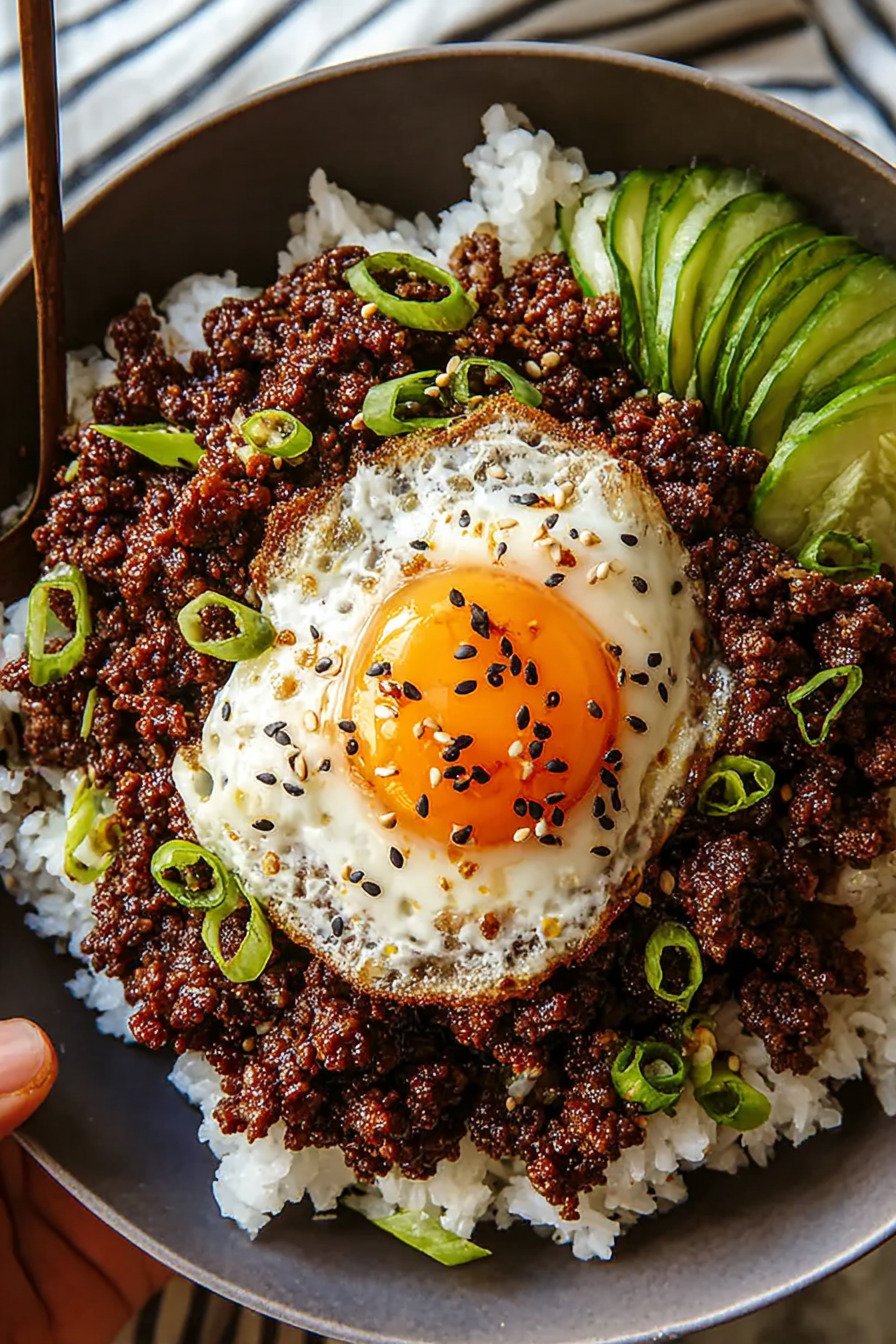
This bowl is already filling with rice and beef, so the best pairings add freshness, crunch, or acidity. Serve it with cucumber slices, quick pickled vegetables, steamed broccoli, roasted green beans, or a simple cabbage slaw. A fried egg makes the bowl richer, while extra green onions keep it brighter.
For a lighter dinner, use brown rice and add tender-crisp vegetables to the skillet. For a more comforting bowl, use jasmine rice and a runny fried egg. If you want ground beef dinner healthy but still satisfying, focus on portion balance: rice for comfort, beef for protein, and vegetables or fresh toppings for contrast.



13) Making Korean Ground Beef Bowl Ahead of Time
The beef mixture can be cooked ahead and refrigerated, but keep the toppings separate until serving. Rice can also be cooked ahead, though it should be cooled quickly and stored properly. When reheating, add a small splash of water to the rice or beef so the texture loosens instead of drying out.
For meal prep, portion rice and beef into containers, then pack green onions, sesame seeds, or fried eggs separately when possible. This keeps the bowl from tasting flat after storage. The flavor often deepens slightly overnight, but the fresh toppings are what make it feel newly made.
14) Storing Leftover Korean Ground Beef Bowl
Store leftover beef and rice in airtight containers in the refrigerator for up to 3 days. If the rice and beef are stored together, reheat gently so the rice does not become hard or dry. A splash of water helps create steam and brings back a softer texture.
Freezing is possible for the beef mixture, though rice can become slightly firmer after thawing. Freeze the beef separately for better texture, then make fresh rice when serving. Leftover beef also works in lettuce cups, rice bowls, wraps, or over steamed vegetables for a quick second meal.
15) FAQ (Real Cooking Questions)
Can I use lean ground beef? Yes, but lean beef can dry out more quickly. Watch the skillet closely and avoid cooking too long after adding the soy sauce and sesame.
Can I use tamari instead of soy sauce? Yes. Tamari keeps the savory flavor and is a practical option when you need a gluten-free substitute. Taste before adding extra salt because tamari can still be quite salty.
What vegetables work well in this bowl? Chopped broccoli, bell pepper, zucchini, carrots, or snap peas can work if they are cooked until tender-crisp. Add them after the beef is seasoned so they do not overcook.
Why does my beef bowl taste bland? The beef may not have browned enough, or the garlic and ginger may not have had time to bloom. Let the beef caramelize before adding the sauce, and stir the aromatics until fragrant.
Is this good for meal prep? Yes, especially because the beef reheats well. Keep fresh toppings separate and add them after reheating so the bowl has contrast instead of tasting soft and one-note.
16) Save This Korean Ground Beef Bowl Recipe
If this Korean Ground Beef Bowl helped you solve the problem of watery, flat skillet beef, save it for weeknight dinners or meal prep. The key reminder is: brown the beef first, then add the aromatics and sauce so the flavor clings to every bite.
17) Conclusion
A strong korean ground beef bowl is not about using a long ingredient list; it is about timing, heat, and balance. Once you understand why the beef needs to brown before the sauce, why garlic and ginger go in after cooking, and why warm rice matters, the whole bowl becomes more reliable. What starts as a fast dinner can still taste layered, comforting, and intentional.
18) Nutrition
Serving Size 1 portion Calories 430 Sugar 2 g Sodium 720 mg Fat 24 g Saturated Fat 8 g Carbohydrates 29 g Fiber 1 g Protein 24 g Cholesterol 80 mg



Leave a Comment