
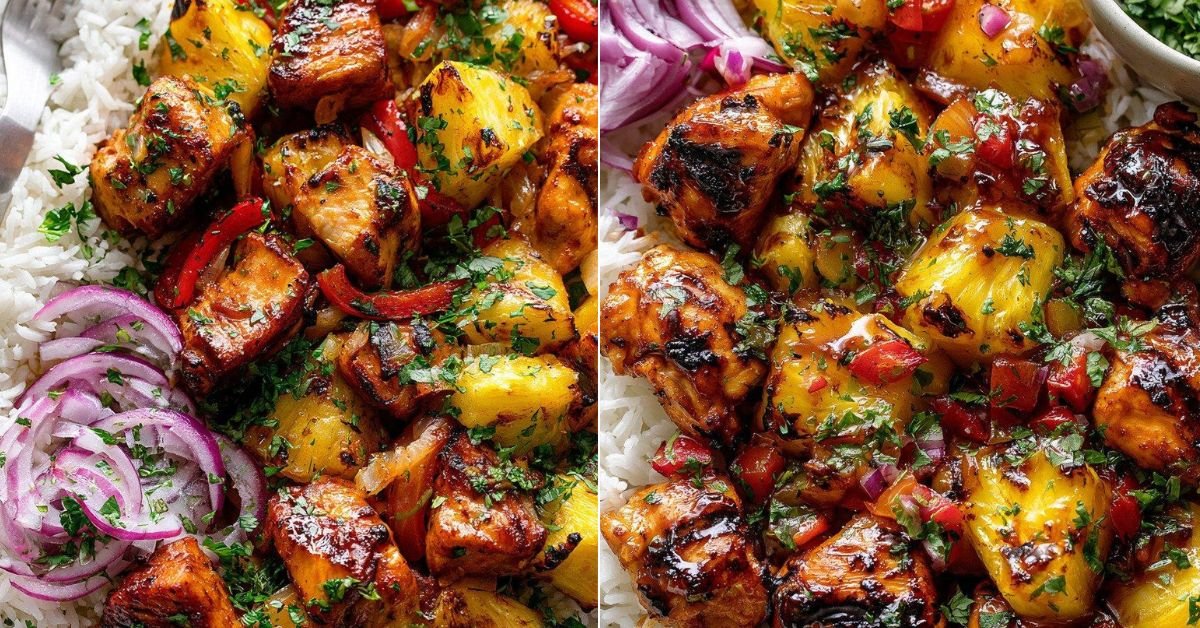
1) What Makes This Hawaiian Chicken Sheet Pan Work
Dry chicken and watery pineapple can ruin a sheet pan dinner fast. I’m Kathy, and after a few batches where the sauce thinned out and the chicken lost its juiciness, I started testing pan spacing, chicken size, and when to add the glaze. The discovery was simple: roast the chicken, peppers, onion, and pineapple first, then drizzle the sauce at the end. This Hawaiian Chicken Sheet Pan became the kind of Sweet and Savory Chicken I want for a calm family dinner because it tastes bright, colorful, and balanced without turning into a soggy One Pan Meal.
Table of Contents
- 1) What Makes This Hawaiian Chicken Sheet Pan Work
- 2) Key Takeaways
- 3) Easy Hawaiian Chicken Sheet Pan Recipe
- 4) Why Most Hawaiian Chicken Sheet Pan Recipes Fail
- 5) Ingredients for Hawaiian Chicken Sheet Pan
- 6) How to Make Hawaiian Chicken Sheet Pan
- 7) Recipe Card: Hawaiian Chicken Sheet Pan
- 8) Tips for Making Hawaiian Chicken Sheet Pan
- 9) Common Mistakes & Fixes
- 10) How to Tell Hawaiian Chicken Sheet Pan Is Done
- 11) Professional Secrets Behind Better Hawaiian Chicken Sheet Pan
- 12) Best Dishes or Pairings to Serve With Hawaiian Chicken Sheet Pan
- 13) Making Hawaiian Chicken Sheet Pan Ahead of Time
- 14) Storing Leftover Hawaiian Chicken Sheet Pan
- 15) FAQ (Real Cooking Questions)
- 16) Save This Hawaiian Chicken Sheet Pan Recipe
- 17) Conclusion
- 18) Nutrition
2) Key Takeaways
- Cut the chicken into even 1-inch pieces so it cooks through before the peppers and pineapple lose their texture.
- Drain canned pineapple well because extra liquid can make the sheet pan steam instead of roast.
- Simmer the soy, pineapple juice, honey, and vinegar separately so the sauce stays glossy instead of burning on the pan.
- Use the internal temperature, not just color, to confirm the chicken reaches 165°F while staying juicy.
3) Easy Hawaiian Chicken Sheet Pan Recipe
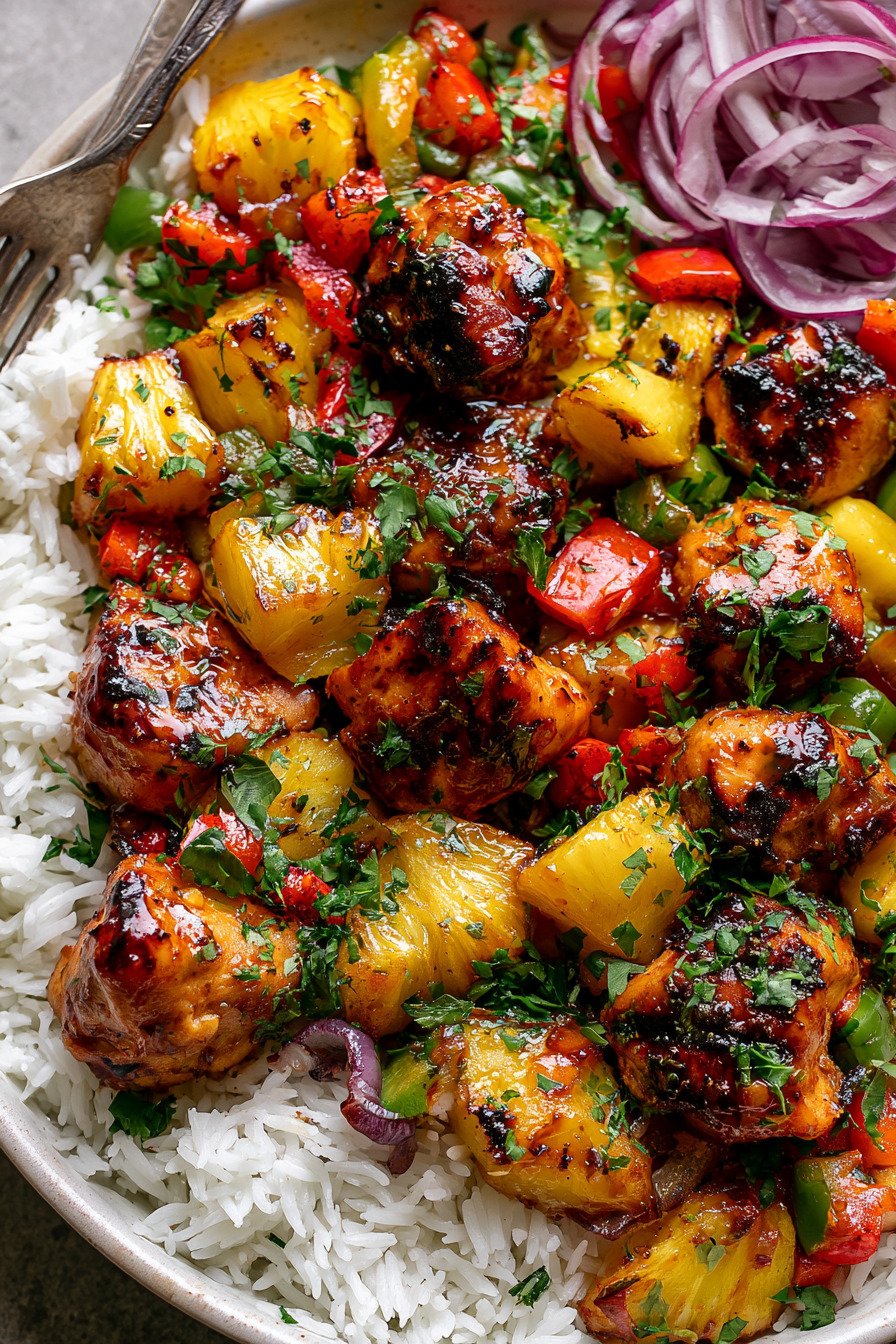
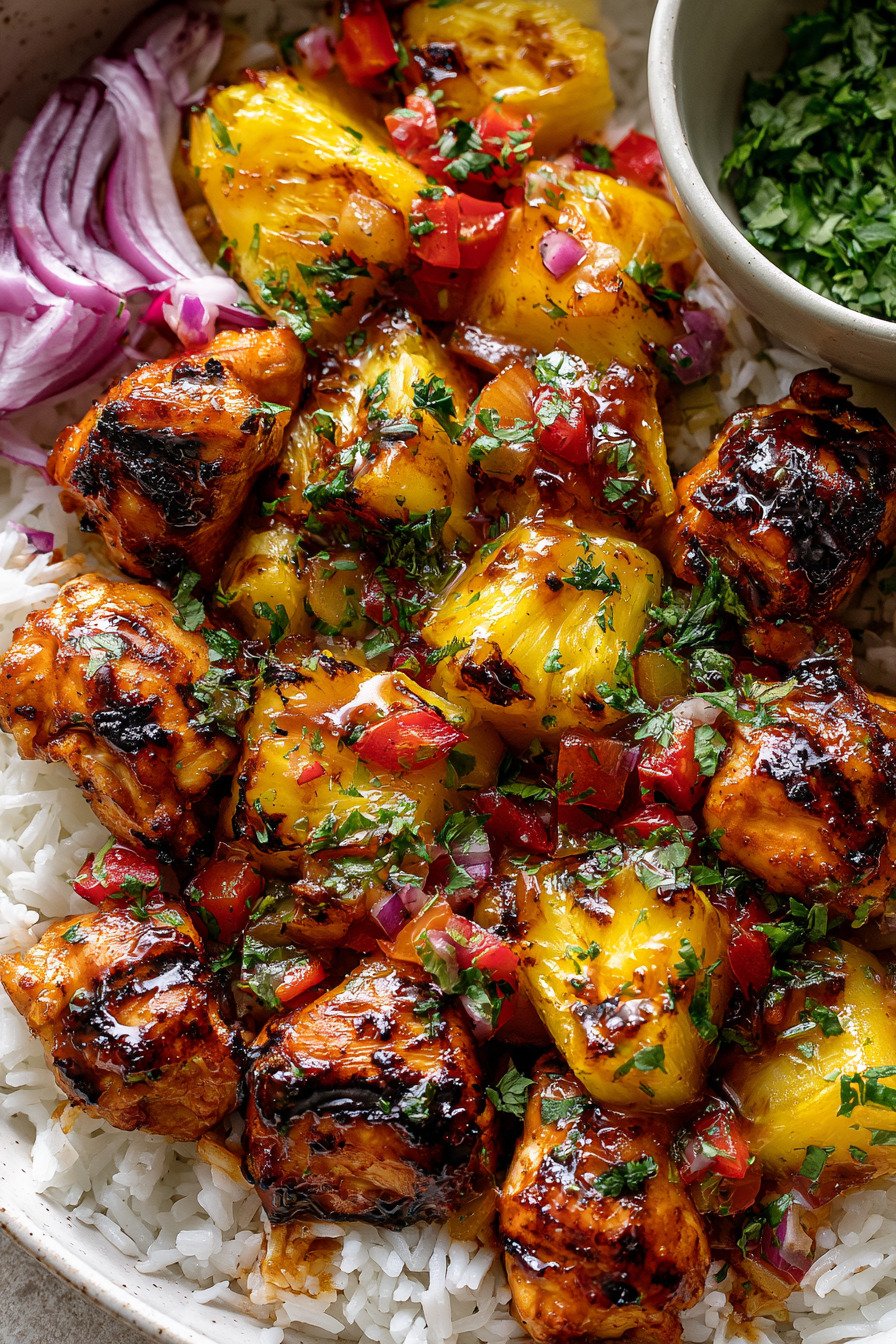
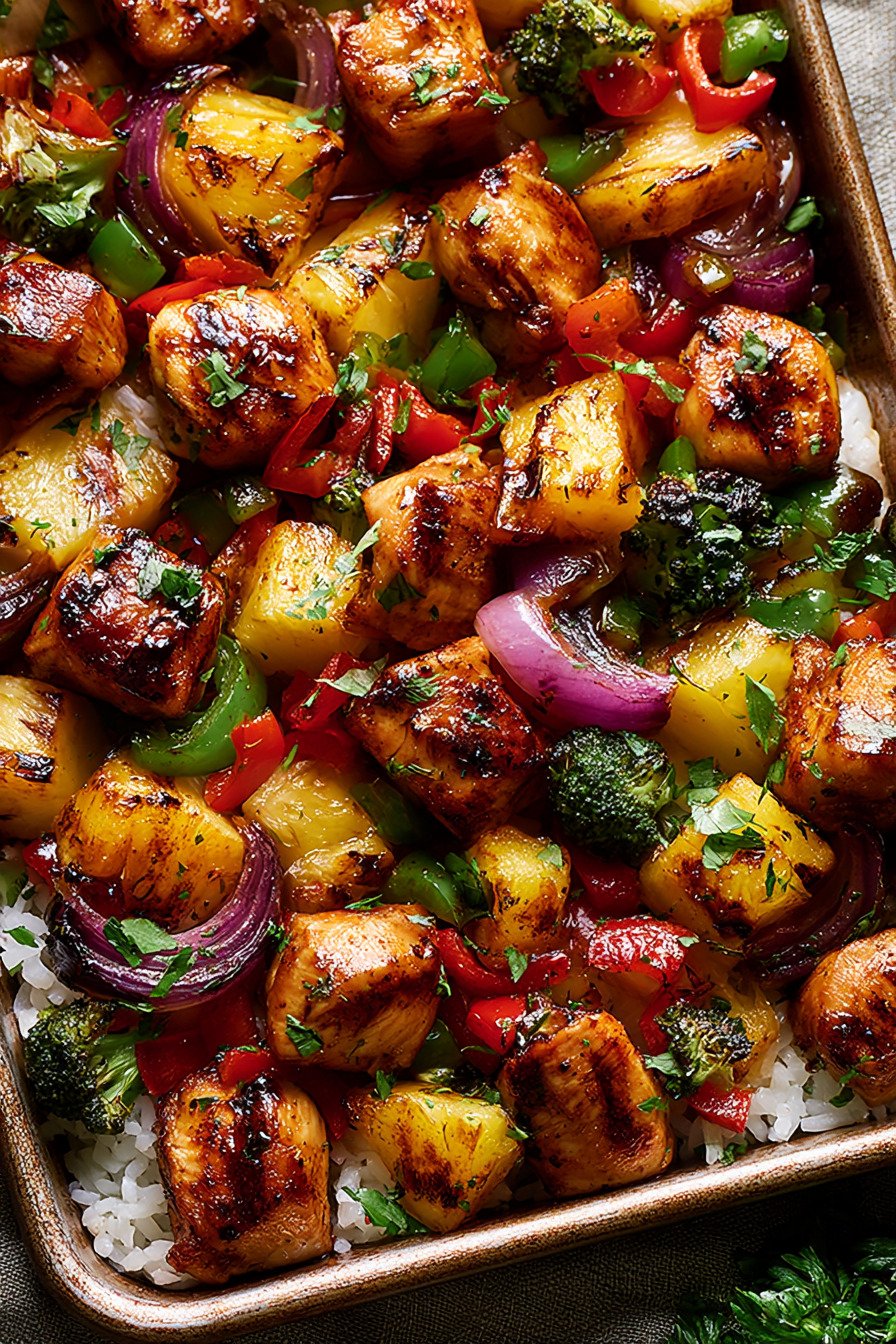
This Hawaiian Chicken Sheet Pan works because the ingredients are cut for speed, spread for roasting, and finished with sauce after the chicken is cooked. Pineapple brings sweetness, peppers bring mild crunch, onion adds savory depth, and the sauce gives the dish a Teriyaki Chicken-style shine without soaking the pan too early.
The goal is not heavy browning or a sticky baked-on coating. The better result is juicy chicken, softened vegetables, lightly caramelized pineapple edges, and a sauce that clings just enough to taste sweet, tangy, and savory in every bite.
4) Why Most Hawaiian Chicken Sheet Pan Recipes Fail
Most sheet pan chicken recipes fail when the pan is too crowded. Chicken releases moisture as it cooks, and if the pieces are piled together, that moisture traps steam around the food. Instead of roasted edges, the chicken turns pale and the peppers soften too much.
Another common problem is adding a sugary sauce too early. Honey or brown sugar can scorch on a hot sheet pan before the chicken finishes cooking. By simmering the sauce separately and drizzling it after roasting, this Hawaiian Chicken Sheet Pan keeps the glaze smooth and the chicken clean-tasting.
Pineapple can also cause trouble. Fresh pineapple works beautifully, but canned pineapple must be drained well. Too much juice on the pan weakens the seasoning, softens the vegetables, and prevents the chicken from developing better roasted flavor.
Flat flavor usually comes from under-seasoning the chicken before baking. The sauce adds sweetness and salt later, but the chicken still needs garlic, salt, pepper, paprika, and olive oil at the start so every piece tastes seasoned inside the final dish.
5) Ingredients for Hawaiian Chicken Sheet Pan
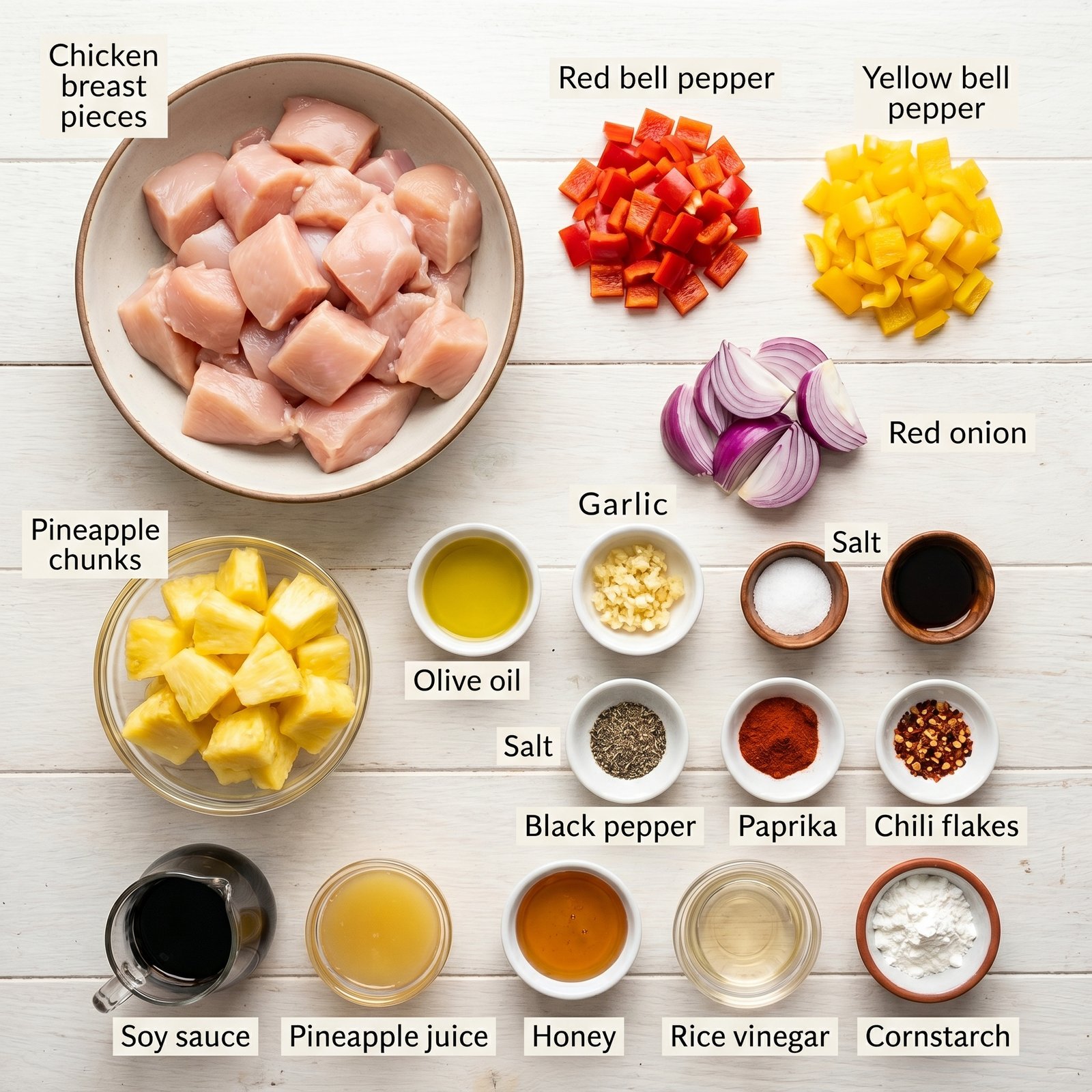
Boneless skinless chicken breasts: Use 1-inch pieces so the chicken cooks quickly and evenly. Larger chunks may need extra time, while tiny pieces can dry out before the vegetables finish roasting.
Red and yellow bell peppers: These add color, sweetness, and tender-crisp texture. Cut them into similar sizes so they roast evenly instead of leaving some pieces raw and others collapsed.
Red onion: Onion wedges roast better than finely chopped onion because the edges caramelize while the centers stay juicy. If cut too small, onion can burn before the chicken is done.
Pineapple chunks: Fresh pineapple gives the brightest flavor, while canned pineapple works well when drained. Pineapple that is too wet makes the pan watery and softens the roasted texture.
Olive oil: Oil helps carry the garlic, paprika, salt, and pepper across the chicken and vegetables. It also helps the food roast instead of sticking to the pan.
Garlic, salt, black pepper, paprika, and chili flakes: These season the chicken before the glaze goes on. Chili flakes are optional, but a small amount balances the sweet pineapple without making the dish too spicy.
Low-sodium soy sauce: Soy sauce gives the glaze its savory base. Low-sodium soy sauce is useful here because pineapple juice and honey already concentrate as the sauce simmers.
Pineapple juice, honey, and vinegar: Pineapple juice reinforces the fruit flavor, honey or brown sugar adds gloss, and vinegar keeps the sauce from tasting too sweet.
Cornstarch slurry: Use it only if you want a thicker glaze. Without it, the sauce stays lighter and more pourable; with it, the sauce becomes glossy and clings more like Teriyaki Chicken sauce.
- Fresh pineapple vs canned pineapple: Fresh pineapple tastes brighter, while canned pineapple is convenient but needs draining to avoid excess moisture.
- Chicken breasts vs chicken thighs: Breasts cook lean and quick; thighs can be juicier but may need a little more time depending on their size.
- Separate sauce vs sauce baked on the pan: Separate sauce gives cleaner flavor, better control, and less risk of burning.
- Single layer vs crowded pan: A single layer roasts; a crowded pan steams and can make the dish watery.
6) How to Make Hawaiian Chicken Sheet Pan
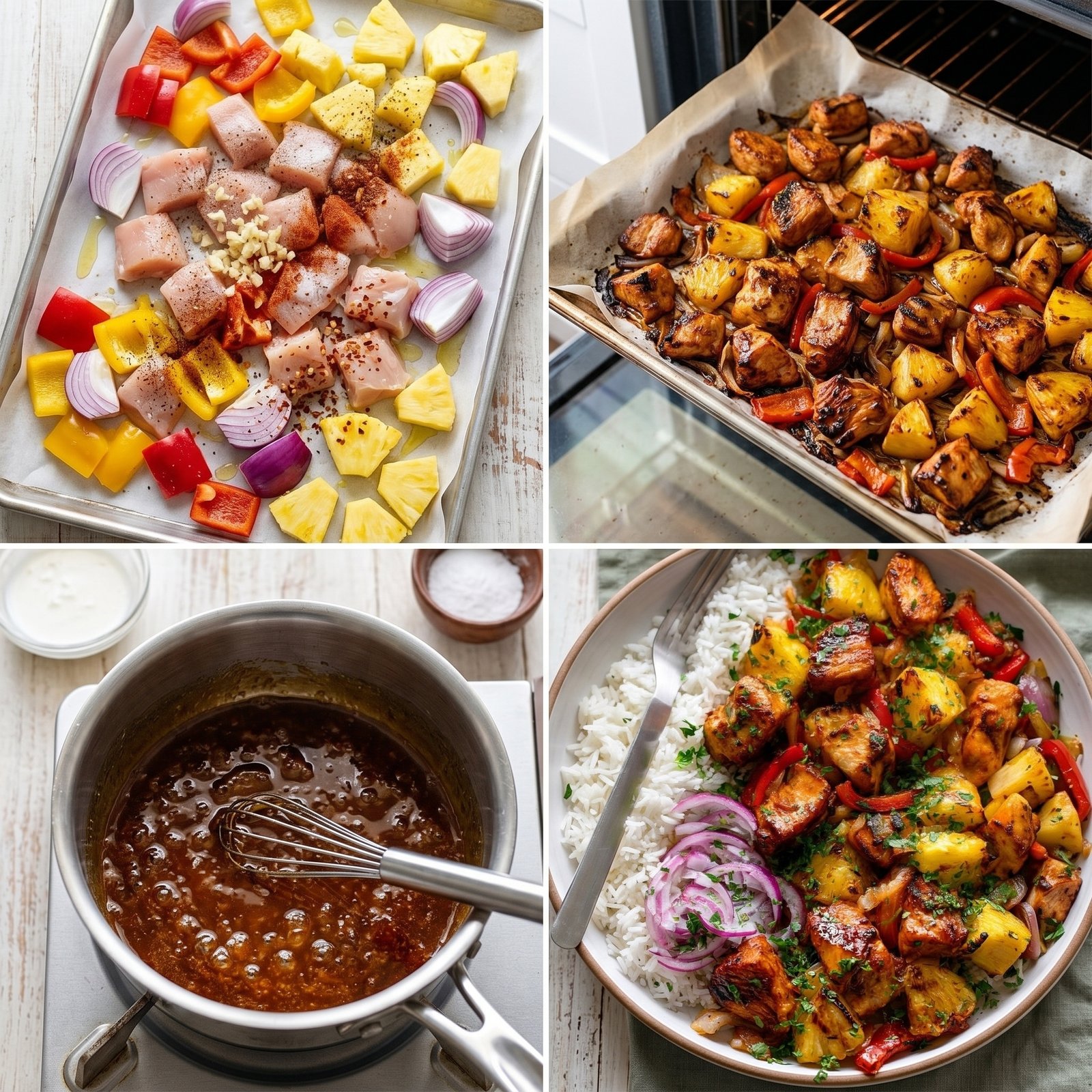
Step 1: Preheat the oven to 400°F and line a large sheet pan with parchment paper or lightly grease it. Starting with a hot oven helps the chicken cook quickly and keeps the vegetables from sitting too long in their own moisture.
Step 2: Spread the chicken, bell peppers, red onion, and pineapple on the pan. Keep everything in a single layer so hot air can reach the surfaces instead of trapping steam.
Step 3: Drizzle with olive oil, then add garlic, salt, black pepper, paprika, and optional chili flakes. Toss until every piece looks lightly coated, because bare chicken pieces will taste flat even after the sauce is added.
Step 4: Roast for 20–25 minutes, flipping halfway through. The chicken should reach 165°F internally, the peppers should look tender, and the pineapple should have lightly golden edges.
Step 5: While the pan roasts, simmer the soy sauce, pineapple juice, honey or brown sugar, and vinegar for 3–4 minutes. Add the cornstarch slurry if you want a thicker glaze, then drizzle the sauce over the finished pan or serve it on the side.
7) Recipe Card: Hawaiian Chicken Sheet Pan

Hawaiian Chicken Sheet Pan
Ingredients
- 1 ½ lbs 700 g boneless skinless chicken breasts, cut into 1-inch pieces so they cook quickly and evenly without drying out
- 1 red bell pepper chopped into similar-size pieces for even roasting and sweetness
- 1 yellow bell pepper chopped to add color, mild sweetness, and tender-crisp texture
- 1 small red onion cut into wedges so the edges roast while the centers stay juicy
- 1 ½ cups fresh pineapple chunks or canned, drained well to prevent excess liquid on the sheet pan
- 2 tablespoon olive oil to coat the chicken and vegetables lightly for better roasting
- 2 cloves garlic minced finely so the flavor spreads across the pan
- ½ teaspoon salt to season the chicken before the sauce is added
- ½ teaspoon black pepper for gentle heat and balance
- ½ teaspoon paprika for mild warmth and color
- ¼ teaspoon chili flakes optional, for a light kick without overpowering the pineapple
- ⅓ cup low-sodium soy sauce for the salty base of the sauce
- ¼ cup pineapple juice from the can or fresh for natural sweetness and tropical flavor
- 3 tablespoon honey or brown sugar to help the sauce turn glossy and lightly sticky
- 2 tablespoon rice vinegar or apple cider vinegar to balance the sweetness
- 1 tablespoon cornstarch + 2 tablespoon water slurry, optional for thickening the sauce until glossy
Instructions
- Preheat the oven to 400°F (200°C) so the chicken can roast quickly instead of steaming.
- Line a large sheet pan with parchment paper or lightly grease it to prevent sticking and make cleanup easier.
- Spread the chicken, red bell pepper, yellow bell pepper, red onion, and pineapple evenly across the pan, keeping the pieces in a single layer as much as possible.
- Drizzle everything with olive oil, then add the garlic, salt, black pepper, paprika, and optional chili flakes. Toss until the chicken and vegetables are evenly coated.
- Roast for 20–25 minutes, flipping halfway through, until the vegetables are tender, the pineapple edges look lightly caramelized, and the chicken reaches 165°F / 74°C internally.
- While the pan roasts, whisk the soy sauce, pineapple juice, honey or brown sugar, and vinegar together in a small saucepan.
- Simmer the sauce for 3–4 minutes over medium heat until it smells sweet, tangy, and lightly reduced.
- For a thicker glaze, stir in the cornstarch slurry and cook briefly until the sauce turns glossy and coats the back of a spoon.
- When the chicken and vegetables are done, drizzle the sauce over the sheet pan or serve it on the side for dipping so everyone can control the amount.
- Garnish with sesame seeds or sliced green onions if desired, then serve warm while the chicken is juicy and the vegetables still have texture.
8) Tips for Making Hawaiian Chicken Sheet Pan
Use the largest sheet pan you have. A crowded pan is the fastest way to lose roasted flavor because the chicken and pineapple release liquid as they heat. If the ingredients look packed tightly, divide them between two pans and rotate the pans halfway through baking.
Keep the chicken pieces similar in size. The 1-inch cut matters because smaller pieces can dry out and larger pieces can lag behind, forcing the peppers and pineapple to overcook while the chicken catches up.
Do not skip the halfway flip. Turning the chicken and vegetables helps the exposed sides roast more evenly and lets you check whether liquid is pooling. If you see a lot of moisture, spread the ingredients out more before returning the pan to the oven.
Let the sauce become glossy but not gluey. A cornstarch slurry thickens quickly, so cook it only until the sauce coats a spoon. If it thickens too much, loosen it with a small splash of pineapple juice or water.
9) Common Mistakes & Fixes
Problem: The chicken turns dry. Cause: The pieces were too small, baked too long, or not checked with a thermometer. Fix: Cut chicken into even 1-inch pieces and pull the pan when the chicken reaches 165°F.
Problem: The pan looks watery. Cause: The pineapple was not drained or the pan was overcrowded. Fix: Drain canned pineapple well and use two pans if the ingredients cannot sit in a single layer.
Problem: The sauce tastes burnt. Cause: Sugary sauce was baked too long on the hot pan. Fix: Simmer the sauce separately and add it after the chicken and vegetables finish roasting.
Problem: The flavor tastes flat. Cause: The chicken was not seasoned before roasting, or the sauce lacked acidity. Fix: Season the pan ingredients well and keep the vinegar in the sauce to balance the sweetness.
10) How to Tell Hawaiian Chicken Sheet Pan Is Done
The clearest sign is the chicken temperature: it should read 165°F in the thickest piece. Visually, the chicken should look opaque all the way through, the peppers should be tender but still colorful, and the onion edges should look softened with a little browning.
The pineapple should look juicy with lightly caramelized edges, not pale and floating in liquid. The aroma should be savory from the garlic and soy sauce, sweet from the pineapple, and lightly tangy from the vinegar.
Failure signs are easy to spot: watery pooling across the pan, rubbery chicken, peppers that have collapsed completely, or sauce that smells scorched. If the chicken is done but the pan is wet, remove the chicken and vegetables with a slotted spatula, then drizzle sauce only after plating.
11) Professional Secrets Behind Better Hawaiian Chicken Sheet Pan
The biggest professional-style move is separating roasting from glazing. Restaurants often build flavor in stages: first they cook the protein properly, then they finish with a sauce for shine and balance. That same idea helps this Hawaiian Chicken Sheet Pan taste fresher and look cleaner.
Another small detail is controlling moisture. Pineapple, onion, and chicken all release liquid, so pan spacing matters as much as seasoning. When the ingredients have room, the edges roast and the final dish tastes sweeter, deeper, and less diluted.
The final secret is balance. Pineapple and honey bring sweetness, but soy sauce and vinegar keep the sauce from tasting like syrup. That sweet-salty-tangy contrast is what makes the dish feel like a true Sweet and Savory Chicken dinner instead of plain chicken with fruit.
12) Best Dishes or Pairings to Serve With Hawaiian Chicken Sheet Pan
Serve this Hawaiian Chicken Sheet Pan over steamed jasmine rice, coconut rice, brown rice, or noodles to catch the sauce. For a lighter Summer Dinner, spoon it into lettuce cups or serve it beside a crisp cucumber salad.
For a fuller Easy Dinner, pair it with roasted broccoli, grilled zucchini, simple fried rice, or a cabbage slaw with lime. The dish already has sweetness and acidity, so the best sides are fresh, mild, or lightly savory rather than heavy and creamy.
13) Making Hawaiian Chicken Sheet Pan Ahead of Time
You can cut the chicken, peppers, and onion up to 24 hours ahead and store them covered in the refrigerator. Keep the pineapple separate, especially if using canned pineapple, because the juice can soften the vegetables and dilute the seasoning before baking.
The sauce can also be whisked ahead and refrigerated. Simmer it just before serving for the best glossy texture. If it has already been thickened and chilled, warm it gently and loosen it with a splash of pineapple juice or water if needed.
14) Storing Leftover Hawaiian Chicken Sheet Pan
Store leftovers in an airtight container in the refrigerator for up to 3 days. The pineapple and peppers will soften as they sit, but the flavor remains strong if the sauce is not watered down.
Reheat gently in a skillet over medium-low heat or in a 325°F oven until warmed through. The microwave works for speed, but shorter bursts are better because chicken breast can become tough if overheated.
Leftovers work well in rice bowls, wraps, chopped salads, or quick lunch containers. If the sauce thickens too much after chilling, add a small splash of water before reheating.
15) FAQ (Real Cooking Questions)
Can I use chicken thighs instead of chicken breasts? Yes. Boneless chicken thighs work well and usually stay juicier, but they may need a few extra minutes depending on size. Always check for 165°F internal temperature.
Can I use canned pineapple? Yes, but drain it well. Canned pineapple adds good flavor, but excess juice on the pan can make the dish watery and prevent roasted edges.
Should I pour the sauce on before baking? It is better to add the sauce after baking. The honey or brown sugar can burn on the hot pan, and the sauce can thin out if it mixes with chicken and pineapple juices too early.
How do I make the sauce thicker? Add the cornstarch and water slurry after the sauce simmers. Cook only until glossy and spoon-coating, because over-thickened sauce can become heavy.
Is this a good meal prep recipe? Yes. This Chicken with Pineapple stores well for rice bowls and lunches. For the best texture, keep extra sauce separate and add it after reheating.
16) Save This Hawaiian Chicken Sheet Pan Recipe
If this Hawaiian Chicken Sheet Pan helped you solve dry chicken or watery pineapple, save it for a busy dinner night or relaxed summer meal. The key reminder is: roast first, then glaze, so the chicken stays juicy and the sauce stays bright.
17) Conclusion
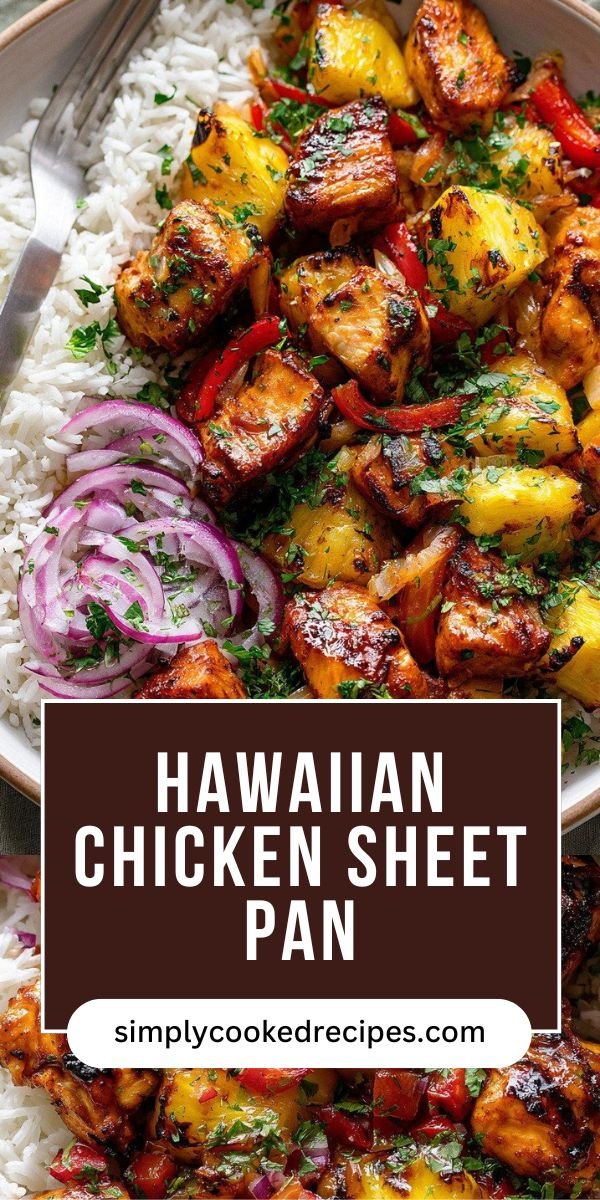
A good Hawaiian Chicken Sheet Pan is not about throwing sauce on everything and hoping the oven fixes it. The better method is controlled: even chicken pieces, drained pineapple, a roomy pan, and a sauce added at the end. Once those details are in place, the dish becomes colorful, juicy, sweet, savory, and reliable enough to repeat without guessing.
18) Nutrition
Serving Size 1 portion Calories 386 Sugar 22 g Sodium 760 mg Fat 9 g Saturated Fat 2 g Carbohydrates 33 g Fiber 3 g Protein 39 g Cholesterol 109 mg
Leave a Comment