
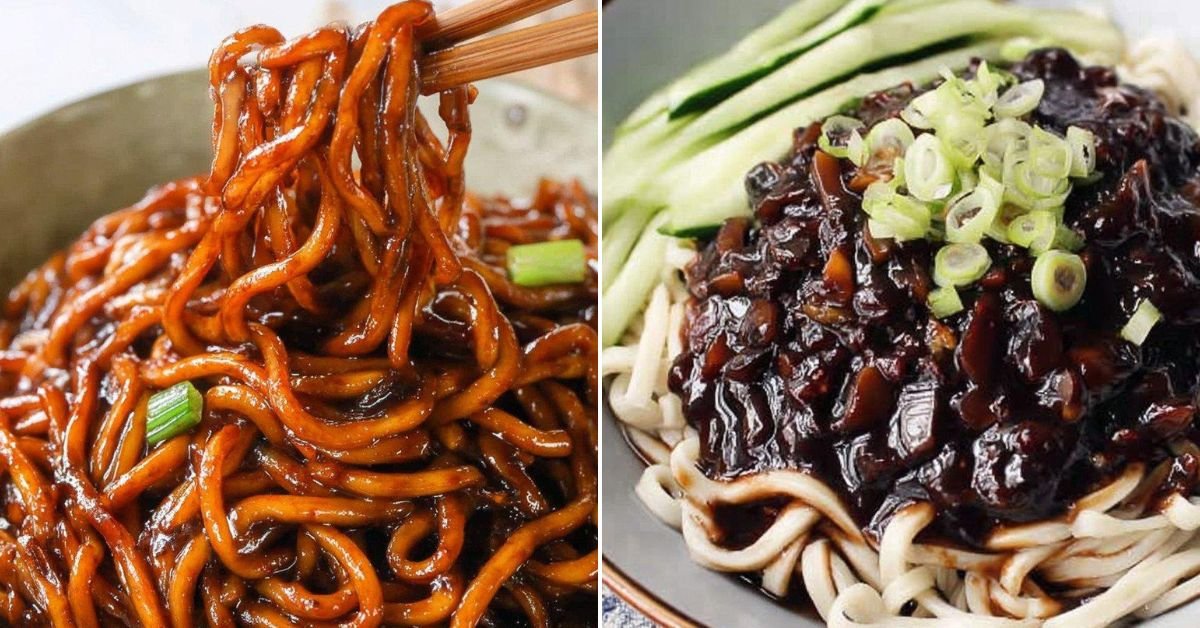
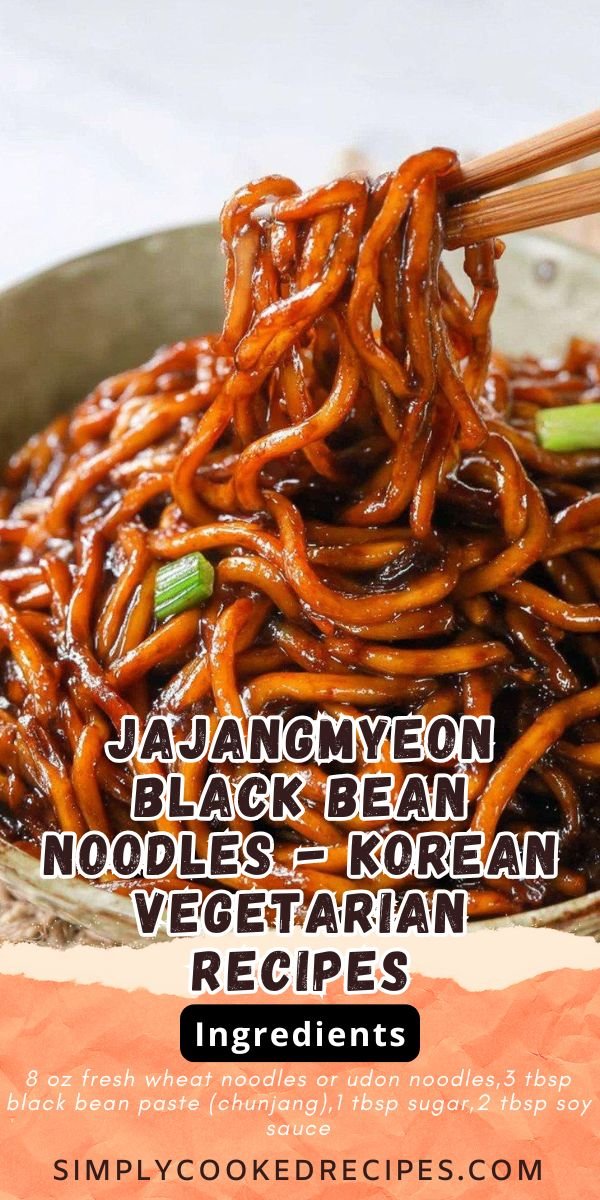
There’s something comforting about a big bowl of noodles, and Jajangmyeon hits that spot every single time. These Korean black bean noodles might look a little mysterious at first with their glossy dark sauce, but once you take a bite, you’ll get why people love them so much. The flavor is deep, savory, and just a little sweet. I still remember the first time I made this at home. I had no clue what to expect, but when the aroma filled my kitchen, I knew I was in for something special. The sauce is made with black bean paste, and it clings to every noodle strand like it was meant to be there. Add in the vegetables and you’ve got a meal that feels hearty but not heavy. It’s the kind of dish that makes you pause halfway through just to appreciate how good it tastes. Honestly, it’s one of those recipes I turn to on nights when I want something satisfying without too much fuss. This version keeps it vegetarian, which means it fits perfectly into korean vegetarian recipes. It’s also a great option if you’re exploring Korean noodles recipe, vegetarian korean recipes, or even dipping your toes into Korean Food Recipes Easy. I like how it bridges comfort and adventure in one dish. It even reminds me a little of japanese noodle recipes, and if you’ve ever made a japanese noodles recipe, you’ll see the overlap in simplicity. Cooking this is less about perfection and more about enjoying the process—and the slurping that comes after.
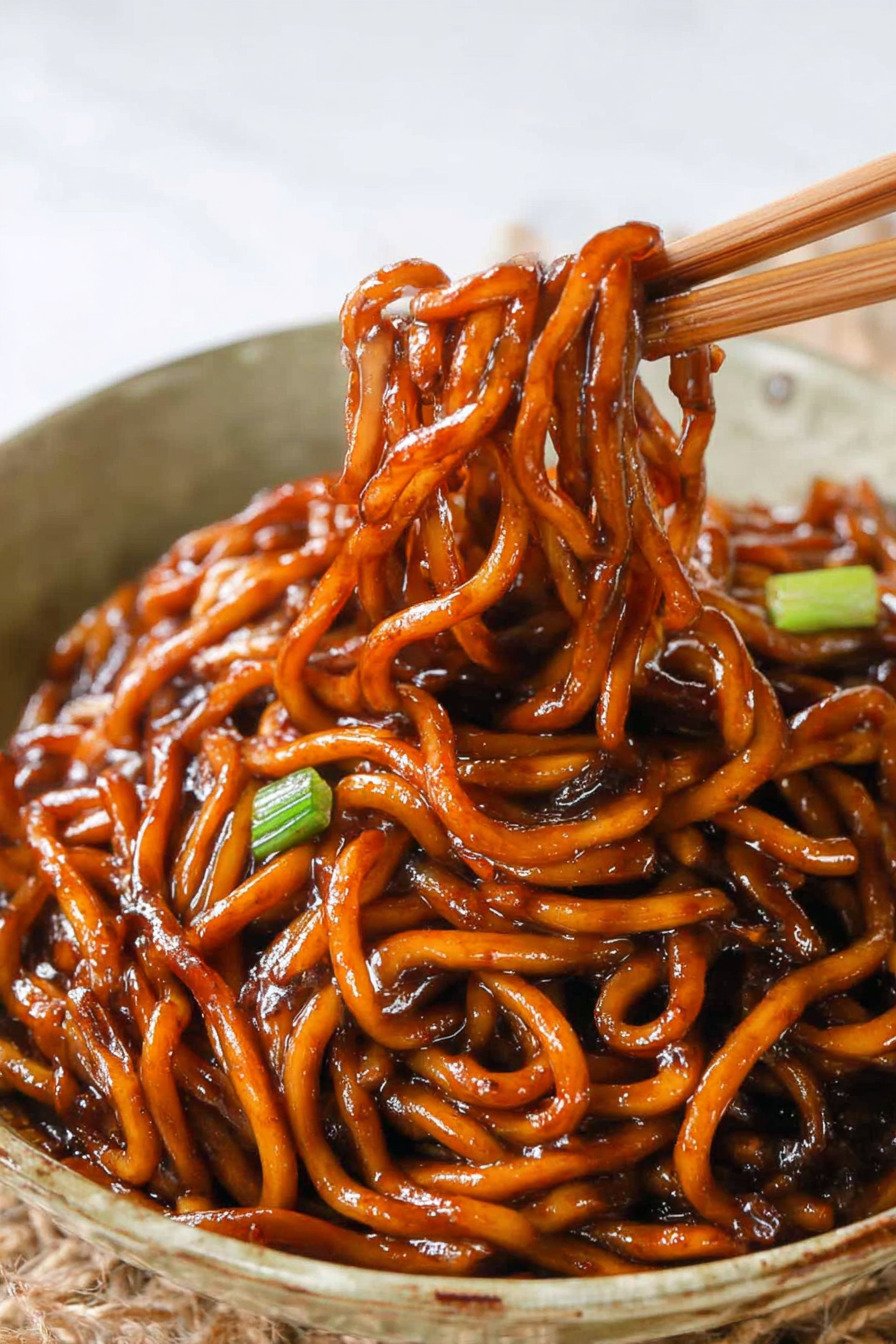
Table of Contents
- 1) Key Takeaways
- 2) Easy Jajangmyeon Recipe
- 3) Ingredients for Jajangmyeon
- 4) How to Make Jajangmyeon
- 5) Tips for Making Jajangmyeon
- 6) Making Jajangmyeon Ahead of Time
- 7) Storing Leftover Jajangmyeon
- 8) Try these Main Course recipes next!
- 9) Jajangmyeon
- 10) Nutrition
1) Key Takeaways
- This Jajangmyeon recipe brings bold flavor and hearty texture.
- Vegetarian friendly, made with fresh vegetables and black bean paste.
- A classic comfort dish from Korean cuisine that works as a quick meal.
- Pairs well with other Korean vegetarian recipes for variety at the table.
2) Easy Jajangmyeon Recipe
I’ve always had a soft spot for noodles, and this Korean vegetarian recipe has a way of wrapping you in comfort. The dark, glossy sauce may look bold, but it’s balanced by a mix of savory, sweet, and earthy notes. It’s the kind of meal that feels easy but tastes like you put in extra effort.
What I love most is how this recipe uses familiar vegetables in an unfamiliar way. Onion, zucchini, potato, and cabbage become something new once they soak up that black bean sauce. It reminds me of the first time I made a Korean noodles recipe at home. I thought it might feel tricky, but it turned out to be one of the easiest Korean Food Recipes Easy meals I’ve cooked.
When you make this, expect a sauce that clings to every strand. That’s what makes it different from Japanese noodle recipes or even a Japanese noodles recipe. This one feels both hearty and homey in its own style.

3) Ingredients for Jajangmyeon
Fresh Wheat Noodles: Use fresh wheat noodles or udon. They soak up the sauce and hold the flavor. If you can’t find them, dry noodles still work well.
Black Bean Paste: This paste is the base of the whole dish. It’s salty and savory, and stir frying it for a moment brings out a deeper taste.
Soy Sauce: Adds a gentle salty depth to the sauce. It ties everything together with balance.
Sugar: Just a little. It softens the sharp edges of the paste and makes the sauce smoother on the tongue.
Cornstarch Slurry: A simple mix of cornstarch and water. It thickens the sauce until it clings perfectly to the noodles.
Vegetables: Onion, zucchini, potato, and cabbage make the sauce hearty. Each vegetable brings its own texture and flavor, from the crunch of cabbage to the mild softness of potato.
Vegetable Broth: This keeps the sauce from becoming too heavy. It gives the vegetables space to cook until tender.
Sliced Cucumber: A cool garnish that cuts through the rich sauce. It’s refreshing in every bite.

4) How to Make Jajangmyeon
Step 1. Cook your noodles following the package instructions. Set them aside once they’re soft but still springy.
Step 2. Warm a large pan with a splash of oil. Drop in the black bean paste and let it fry for a minute or two. It will smell earthy and rich as it cooks.
Step 3. Add diced onion, zucchini, potato, and cabbage. Stir them around until they begin to soften.
Step 4. Pour in broth, soy sauce, and sugar. Stir and let the mix simmer until the vegetables are tender and the flavors settle in.
Step 5. Mix cornstarch with water, then add it to the pan. Stir until the sauce turns thick and glossy.
Step 6. Pour the sauce over the noodles. Add cucumber slices on top and serve right away.
5) Tips for Making Jajangmyeon
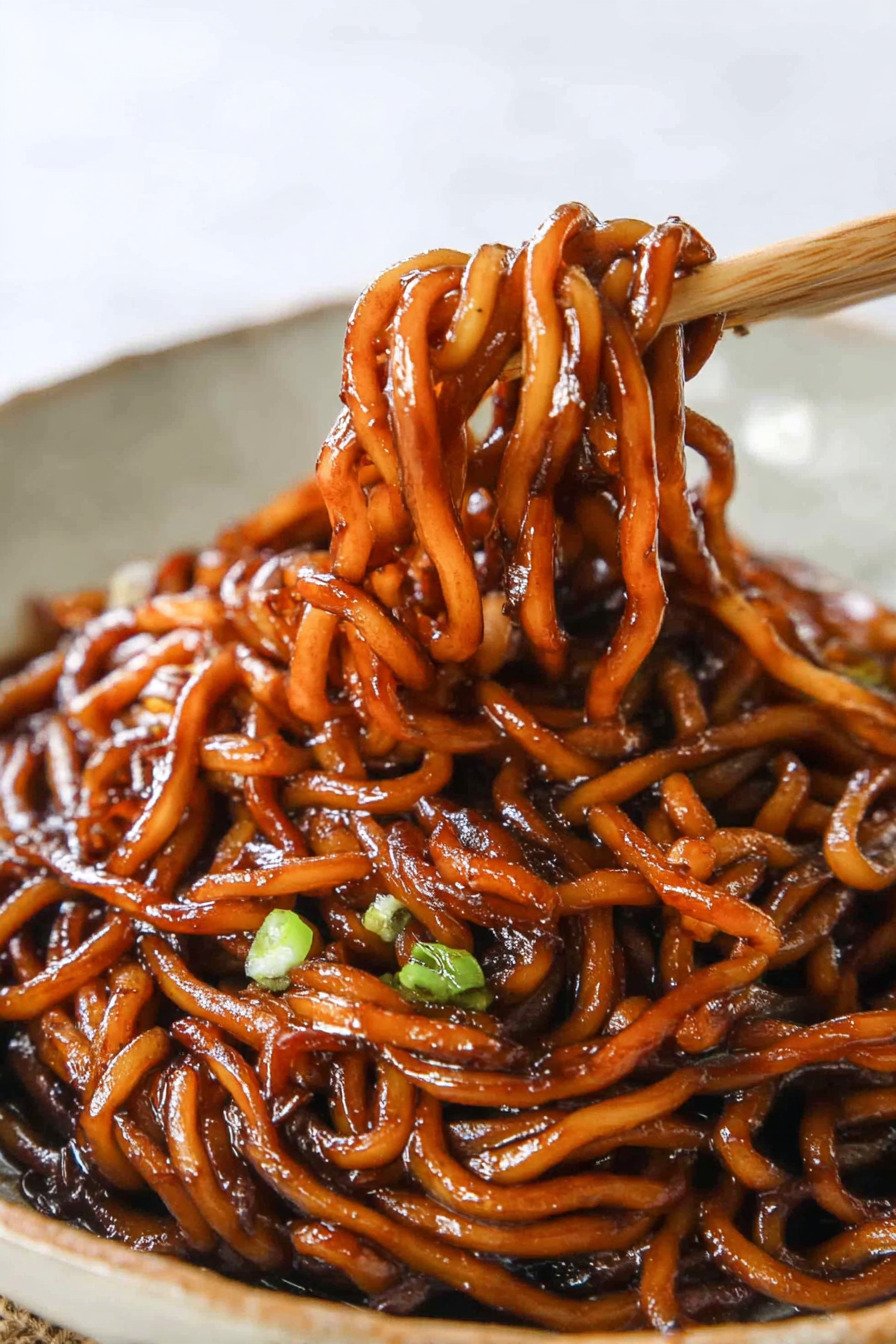
I like to stir fry the paste with a little oil before adding anything else. It changes the flavor from flat to full-bodied in just a minute. It’s a small detail, but it makes the whole dish better.
Cut your vegetables into similar sizes. That way they cook evenly, and you don’t end up with raw potato chunks hiding under soft cabbage.
If you want extra heat, add a pinch of chili flakes while the sauce simmers. The kick cuts through the richness without taking over.
And don’t skip the cucumber garnish. It may look like decoration, but it adds crunch and freshness that balances each bite.
6) Making Jajangmyeon Ahead of Time
This dish can be prepped in advance if you plan smart. Cook the sauce first and keep it in the fridge for up to two days. When you’re ready, warm it up and boil fresh noodles. Mixing them at the last moment keeps the texture right.
If you mix the sauce with noodles too early, the noodles will absorb it and turn mushy. So keep them separate until you’re ready to eat.
The vegetables in the sauce hold up well even after reheating. I like making a big batch of sauce on Sunday and then using it for quick weekday meals.
7) Storing Leftover Jajangmyeon
Leftovers store best when you keep noodles and sauce apart. Put noodles in one container and sauce in another. This way, the texture stays closer to fresh when you reheat.
If they’re already mixed, don’t worry. Store them together in a sealed container and eat within two days. Add a splash of broth when reheating to loosen the sauce.
I’ve found that reheating in a pan on the stove keeps the flavor truer than a microwave. The sauce wakes back up with a bit of heat and stirring.
8) Try these Main Course recipes next!



9) Jajangmyeon
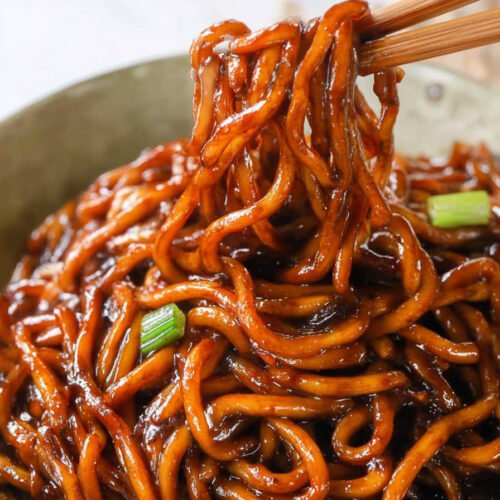
Jajangmyeon Black Bean Noodles – korean vegetarian recipes
Ingredients
- 8 oz fresh wheat noodles or udon noodles
- 3 tbsp black bean paste (chunjang)
- 1 tbsp sugar
- 2 tbsp soy sauce
- 1 tbsp cornstarch mixed with 2 tbsp water
- 1 tbsp vegetable oil
- 1 onion, diced
- 1 zucchini, diced
- 1 potato, peeled and diced
- 1/2 cup cabbage, chopped
- 2 cups vegetable broth
- Sliced cucumber for garnish
Instructions
- Cook noodles according to package directions and set aside.
- In a large pan, heat vegetable oil over medium heat.
- Add black bean paste and stir fry for 1-2 minutes to bring out the flavor.
- Add onion, zucchini, potato, and cabbage. Cook until vegetables start to soften.
- Pour in vegetable broth, soy sauce, and sugar. Stir and let simmer until vegetables are tender.
- Add cornstarch slurry to thicken the sauce. Stir until glossy and thick.
- Serve sauce over noodles and garnish with cucumber slices.
10) Nutrition
Serving Size: 1 bowl, Calories: 520, Sugar: 10 g, Sodium: 1100 mg, Fat: 16 g, Saturated Fat: 2 g, Carbohydrates: 82 g, Fiber: 6 g, Protein: 14 g






Leave a Comment