
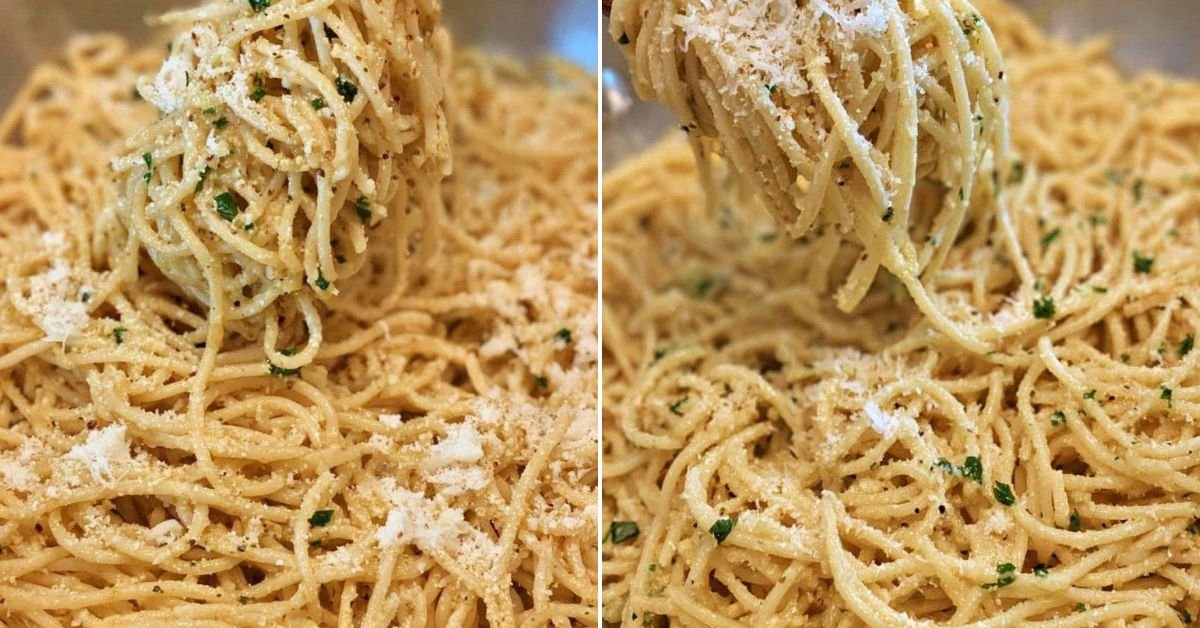
You know what? Some nights I just can’t deal with complicated cooking. That’s when I turn to this garlic parmesan spaghetti. It’s become my secret weapon when dinnertime sneaks up on me and I’ve got a hungry family staring me down. I first made this dish years ago on one of those chaotic evenings when my husband was grilling fish and I completely spaced on making sides. Panic mode kicked in, but then I spotted fresh garlic in the pantry and thought, why not keep it simple? Best decision ever. The kids actually ate their pasta without complaining, and my husband asked for seconds. Win! What I love most about this recipe is how flexible it is. Toss in some grilled chicken and boom, you’ve got dinner sorted. Or throw in shrimp if you’re feeling fancy. Heck, I’ve even swapped the parmesan for feta when I was out, and it tasted amazing. You can use whatever pasta shape’s hanging out in your cupboard, too. Spaghetti, rotini, shells… they all work. It’s one of those recipes that doesn’t make you feel like a failure if you improvise. Just buttery, garlicky goodness that comes together faster than ordering takeout.
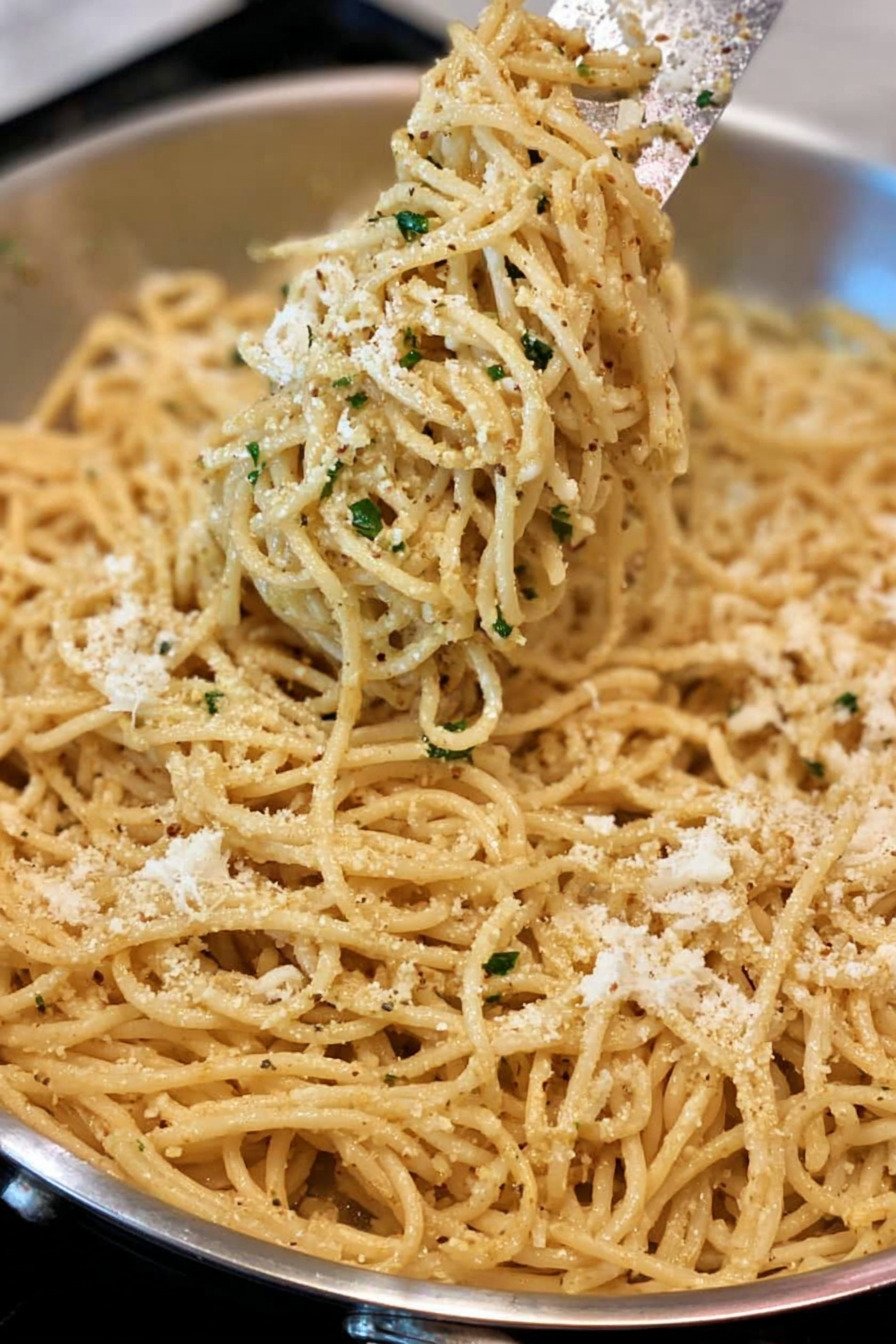
Table of Contents
- 1) Key Takeaways
- 2) Easy Garlic Parmesan Spaghetti Recipe
- 3) Ingredients for Garlic Parmesan Spaghetti
- 4) How to Make Garlic Parmesan Spaghetti
- 5) Tips for Making Garlic Parmesan Spaghetti
- 6) Making Garlic Parmesan Spaghetti Ahead of Time
- 7) Storing Leftover Garlic Parmesan Spaghetti
- 8) Try these Side Dish next!
- 9) Garlic Parmesan Spaghetti
- 10) Nutrition
1) Key Takeaways
- What makes garlic parmesan spaghetti so quick to prepare?
- Can you add protein to turn this side into a main dish?
- What’s the secret to getting that creamy sauce without cream?
- How do you prevent the garlic from burning and turning bitter?
2) Easy Garlic Parmesan Spaghetti Recipe
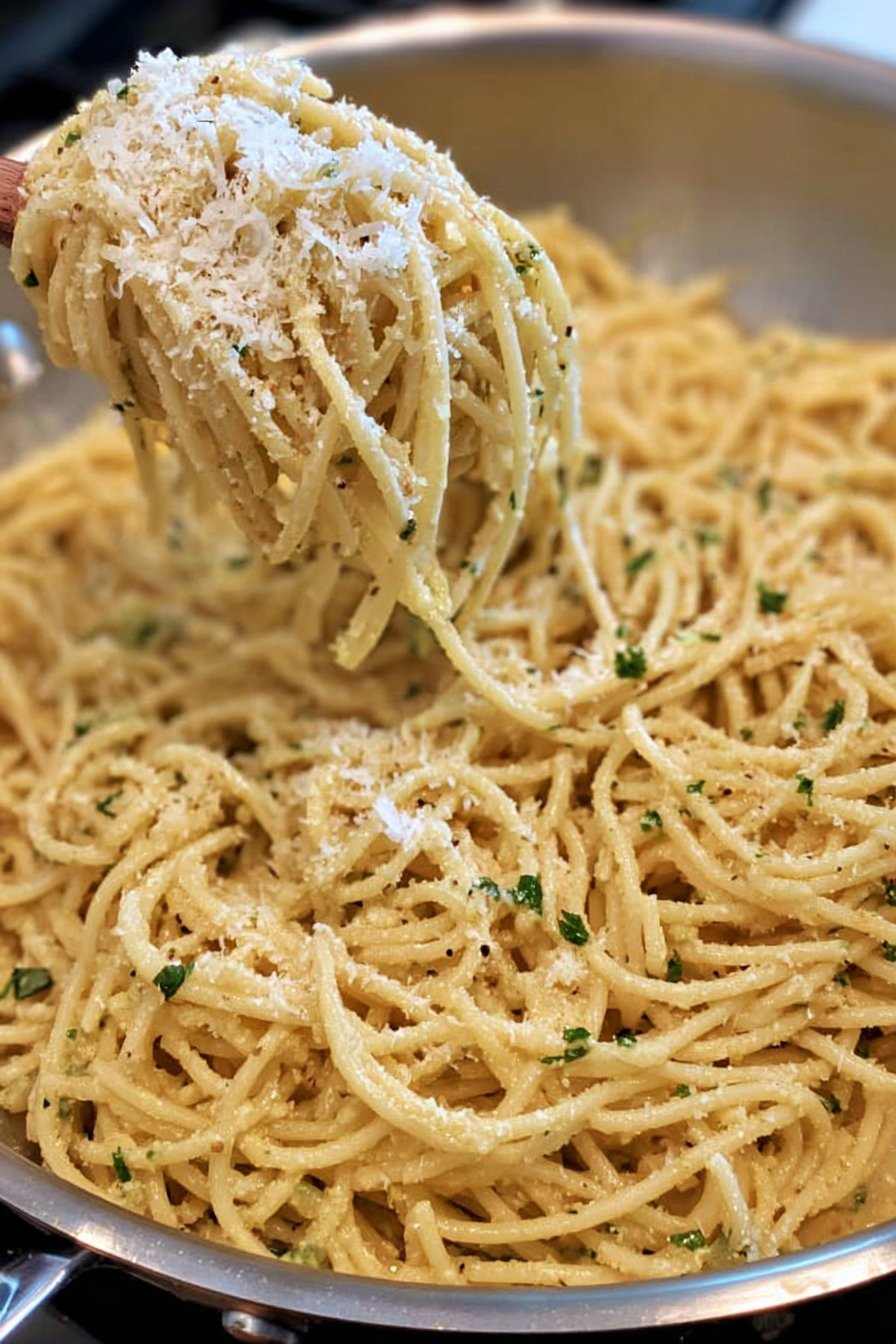
Look, I’m gonna be honest with you. This garlic parmesan spaghetti saved my dinner plans more times than I can count. When you’ve got twenty minutes and a family that’s hungry right now, this recipe is your best friend. I’ve been making spaghetti recipes like this for years, and trust me when I say this one’s a keeper.
What makes this different from other spaghetti recipes? It’s ridiculously simple. We’re talking six ingredients plus pasta. No fancy techniques, no complicated steps. Just butter, garlic, cheese, and a little magic with that starchy pasta water. My kids call it “the butter noodles,” but don’t let that fool you. It tastes way fancier than it sounds.
The beauty of this dish is how fast it comes together. You can have dinner on the table before your takeout delivery would even arrive. I make this at least twice a month when I need something reliable that won’t have me sweating over the stove for an hour. It’s become one of my go-to spaghetti recipes for busy weeknights.
Here’s what really sells it for me. You can dress it up or keep it casual. Serve it as a side with grilled chicken, or toss in some shrimp and call it dinner. I’ve done both, and my family devours it either way. The garlic parmesan sauce recipe is so versatile that you’ll find yourself making it for everything from regular Tuesday dinners to when you’ve got company over.
And can we talk about leftovers? They actually taste great the next day. I’ll heat up a bowl for lunch and add a fried egg on top. Game changer. My daughter takes it cold in her lunch box and says it’s better than the cafeteria food. High praise from a picky eater, trust me.
The best part about mastering different spaghetti recipes like this one is that you always have a backup plan. Forgot to defrost the chicken? Make this. Running late from work? Make this. Just don’t feel like cooking something complicated? You know what to make. It’s my kitchen insurance policy, and it’s never let me down.

3) Ingredients for Garlic Parmesan Spaghetti
Pasta (8 oz). Any shape works here, but I usually grab whatever’s in the pantry. Spaghetti is classic, but I’ve used penne, rigatoni, even those fun spiral ones when that’s what I had. The important thing is cooking it right. You want it al dente, with a little bite to it. Mushy pasta ruins everything, and overcooked noodles won’t hold up to the sauce. If you’re feeling adventurous, you can even try this with squash spaghetti recipes using spiralized zucchini or yellow squash for a lighter version.
Butter (4 tablespoons). Real butter, please. Not margarine, not that fake stuff. Butter is what makes this dish sing. It creates the base of your sauce and gives everything that rich, silky texture. I keep mine on the counter so it’s easier to work with. When it melts into the hot pasta with that garlic, it coats every strand perfectly. Don’t skimp on this ingredient.
Garlic (4 cloves, fresh). Fresh garlic is non-negotiable for me. Sure, you could use the jarred stuff in a pinch, but fresh just tastes so much better. I like slicing mine thin so it gets a little crispy in the butter. Some people prefer minced, and that’s fine too. Just watch it like a hawk when it’s cooking. Burned garlic tastes awful and there’s no coming back from it.
Black Pepper (½ teaspoon). Freshly cracked if you’ve got it. The flavor is so much brighter than pre-ground pepper. I actually use a little more than the recipe calls for when I make it for myself. Pepper adds that nice little kick that balances out all the richness from the butter and cheese.
Salt (½ teaspoon). This is for the sauce, but don’t forget to salt your pasta water too. Like, really salt it. It should taste like the ocean. That’s the first place you season your pasta, and it makes a huge difference in the final dish. I learned that from watching cooking shows, and they weren’t kidding.
Parmesan Cheese (½ cup). Get the good stuff if you can. I usually buy a block and grate it myself when I’m feeling motivated. The pre-shredded works fine too, but freshly grated melts better and tastes richer. If you’re out of parmesan, I’ve used feta before and it was actually amazing. Different vibe, but still delicious.
Fresh Parsley (¼ cup, chopped). This is more for looks and a little freshness at the end, but I won’t lie, I’ve skipped it when I didn’t have any. The dish is still great without it. When I do use it, I like how it brightens everything up and adds that pop of green. Makes it look like you actually tried, you know?
Optional Protein. Want to turn this into a full meal? I throw in grilled chicken strips, cooked shrimp, or even leftover rotisserie chicken. My husband loves when I add Italian sausage. That’s when this becomes one of those hearty spaghetti and chicken recipes that fills everyone up. Sometimes I’ll make a big batch of chicken garlic parmesan recipe on Sunday and use the leftovers in this pasta all week.
4) How to Make Garlic Parmesan Spaghetti
Step 1. Get your water boiling. Fill up a medium to large pot with water and crank the heat to high. Once it’s rolling, add a generous handful of salt. I’m talking like 2 tablespoons. Then dump in your pasta and cook it according to the package directions. Set a timer so you don’t overcook it. Nobody wants mushy noodles.
Step 2. Start the sauce. Grab a large skillet and put it over medium heat. Add your butter and let it melt completely. You’ll see it start to bubble and foam a little. That’s perfect. Don’t walk away from the stove at this point. Butter can go from melted to burned faster than you think, and we’re not making brown butter here.
Step 3. Add the garlic. Toss in your sliced or minced garlic and let it sizzle. You want it to get fragrant and just barely golden, maybe 60 to 90 seconds max. Keep stirring it around so it cooks evenly. The smell is going to be amazing. If it starts turning brown, pull the pan off the heat immediately. Burned garlic will ruin the whole thing.
Step 4. Season it up. Sprinkle in your salt and black pepper. Give everything a good stir to mix it all together with the butter and garlic. This is building your flavor base. Some nights I add a pinch of red pepper flakes here too when I want a little heat. Totally optional, but it’s good.
Step 5. Drain the pasta (but save that water!). This is super important. Before you drain your pasta, scoop out about half a cup of that starchy cooking water and set it aside in a mug or measuring cup. Then drain the pasta in a colander. Don’t rinse it! That starch is gold for your sauce. It helps everything come together and get creamy.
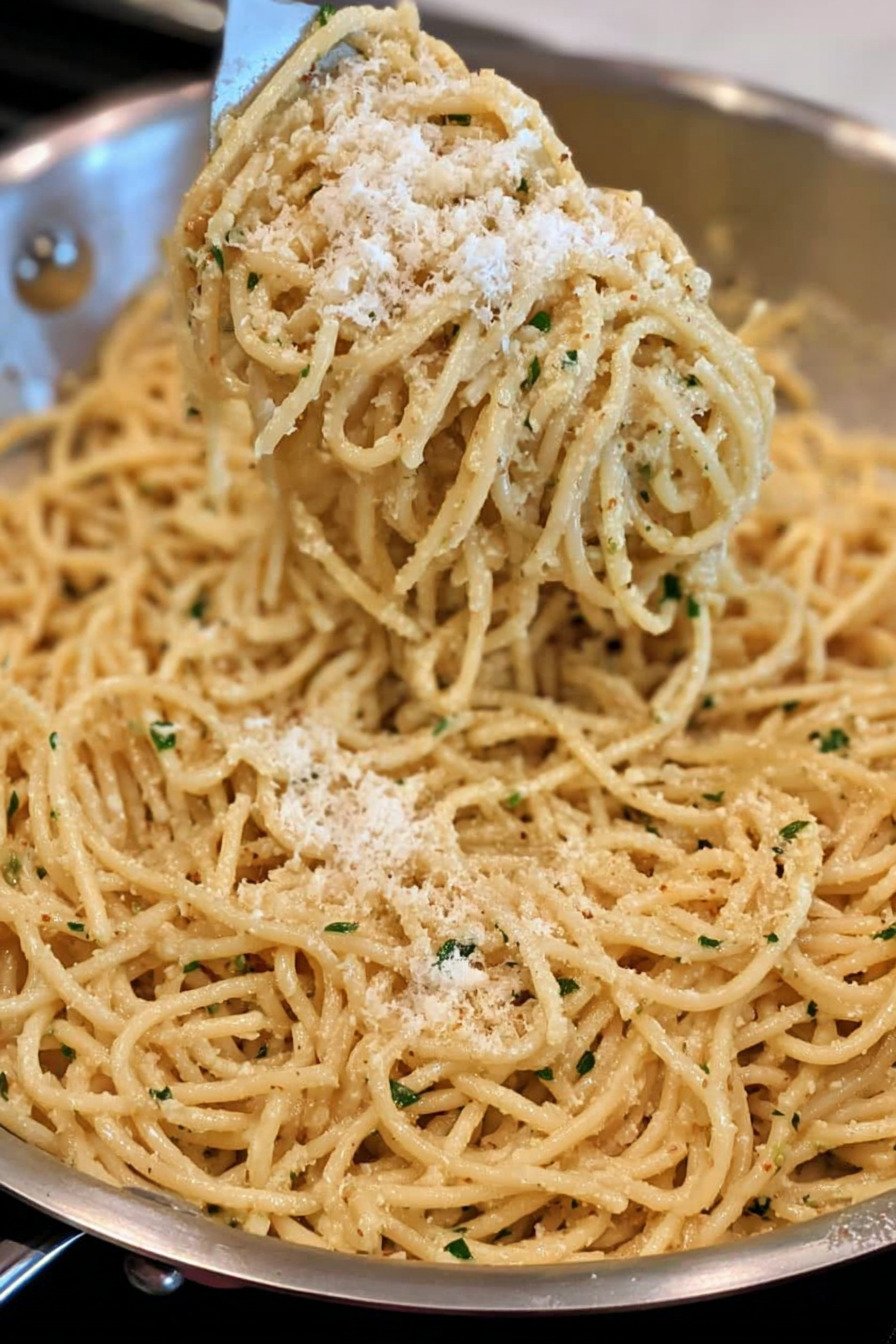
Step 6. Combine everything. Add your drained pasta straight into the skillet with the garlic butter. Use tongs or a big spoon to toss it all together. Every strand should get coated in that garlicky goodness. If it looks dry, start adding splashes of that reserved pasta water. A little at a time until it looks glossy and creamy, not dry and clumpy.
Step 7. Kill the heat and add cheese. Pull your skillet off the burner completely. Sprinkle in the parmesan cheese and chopped parsley. Toss everything together one more time. The residual heat will melt the cheese perfectly without making it clumpy or greasy. This is when it transforms into something really special. Taste it and adjust the seasoning if you need more salt or pepper.
Step 8. Serve it hot. Get this on plates right away. It’s best when it’s steaming hot and fresh. I like to put a little extra parmesan and a crack of black pepper on top when I serve it. Makes it look restaurant-quality even though you just threw it together in twenty minutes flat.
5) Tips for Making Garlic Parmesan Spaghetti
Don’t skip the pasta water. I can’t stress this enough. That starchy water is what makes your sauce actually stick to the pasta instead of sitting in a puddle at the bottom of the bowl. I used to drain my pasta completely and wondered why my sauce never looked right. Then I learned this trick, and everything changed. Start with just a few tablespoons and add more if you need it.
The garlic situation is real. You’ve got maybe two minutes to get this right. Too little heat and it stays raw and harsh tasting. Too much heat and it burns and turns bitter. I keep the heat at medium and watch it like a hawk. As soon as I smell that amazing garlicky aroma and see the tiniest bit of color, I know it’s ready. Sometimes I pull the pan off the heat for a second just to control the temperature.
Use good parmesan cheese when you can swing it. I know the green can is convenient, and look, I’ve used it plenty of times. But when I grate fresh parmesan from a block, the difference is night and day. It melts smoother, tastes better, and makes the whole dish feel more special. I buy a chunk at the store and keep it wrapped in the fridge. It lasts a while and you can use it for other things too.
Timing matters here. Cook your pasta and make your sauce at the same time. You want to toss that hot pasta into the butter mixture right away. If your pasta sits around getting cold, it won’t absorb the sauce as well. I usually start my pasta water first, then begin the sauce when the pasta goes in. They finish around the same time, and everything stays hot.
Want to bulk it up? Add your protein at the end. I keep things simple and use pre-cooked stuff like rotisserie chicken, leftover grilled chicken, or frozen cooked shrimp that I’ve thawed. Just warm it up in the sauce before adding the pasta. This turns your side dish into dinner without much extra work. My husband loves when I turn it into spaghetti and chicken recipes with some Italian seasoning thrown in.
Season your pasta water generously. I mean it. That water should taste salty. A lot of people don’t salt their water enough, and then the pasta tastes bland no matter what sauce you put on it. I add a couple big pinches of kosher salt once the water boils. This is your first chance to build flavor, so don’t waste it.
Fresh parsley makes a difference, but dried works too. I almost always have fresh parsley in my fridge for recipes like this and for different spaghetti recipes I make throughout the week. If you don’t have fresh, use about a tablespoon of dried. It won’t be quite as bright and fresh tasting, but it’ll still be good. Or just skip it entirely. The dish doesn’t really need it to taste great.
6) Making Garlic Parmesan Spaghetti Ahead of Time
Can you prep this ahead? Sort of. I don’t usually make the whole dish in advance since it’s so quick, but there are ways to get ahead of the game. You can cook your pasta earlier in the day, toss it with a little olive oil so it doesn’t stick, and keep it in the fridge. Then when dinner rolls around, just make your sauce and toss everything together. Add a splash more pasta water to loosen things up.
Prepping ingredients saves time too. I’ll slice my garlic in the morning and keep it in a small container. Measure out your parmesan and parsley, get everything ready to go. Then when it’s cooking time, you’re basically just assembling. This is great for those nights when everyone’s hungry and you need food fast.
If you’re making this as part of a bigger meal, like for company, you can definitely prep components in advance. Get your pasta cooked and oiled. Have your garlic sliced, cheese grated, parsley chopped. Then it’s like five minutes of actual cooking when you’re ready to serve. I do this for potlucks and family gatherings all the time.
The sauce itself doesn’t hold that well on its own. Butter solidifies when it cools, and it won’t have that silky texture anymore. But if you’re reheating leftovers, add a splash of water or milk and warm it gently on the stove. It comes back together pretty nicely. I’ve done this for lunch the next day and it works fine.
Want to make a double batch? Go for it. I do this when I know we’ll want leftovers or when I’m feeding a crowd. Just use a bigger pot and pan. Everything scales up easily. The cooking time stays the same, you just have more volume. I’ve made enough for ten people before and it was just as good as when I make it for four.
7) Storing Leftover Garlic Parmesan Spaghetti
Leftovers keep pretty well in the fridge. I put mine in an airtight container or cover the bowl with plastic wrap. It’ll last about three to four days. The butter might solidify a bit, but that’s fine. When you reheat it, everything melts back together. Just don’t leave it sitting out on the counter for hours. Get it in the fridge within a couple hours of cooking.
Reheating is easy. I usually do it on the stovetop in a pan over low heat. Add a splash of water, milk, or even more butter to help loosen up the sauce. Stir it around until it’s heated through and creamy again. Microwave works too if you’re in a rush. Put it in a microwave-safe bowl, add a little liquid, and heat it in 30-second bursts, stirring between each one.
Can you freeze it? Technically yes, but I don’t recommend it. The texture gets weird when you thaw it. The butter separates and the pasta can get mushy. I’ve tried it once and wasn’t thrilled with the results. If you do freeze it, use it within a month and reheat it very gently with extra liquid to bring it back together.
My favorite way to use leftovers is to turn them into something new. I’ll scramble some eggs with the cold pasta for breakfast. Or I’ll add fresh veggies and more cheese and bake it as a quick pasta casserole. Sometimes I’ll toss it into a frittata. Gets creative with it so you’re not eating the exact same thing two nights in a row.
If you know you’re making this for meal prep, slightly undercook the pasta by a minute. It’ll finish cooking when you reheat it and won’t turn into mush. This trick works great for all kinds of spaghetti salad recipes and pasta dishes you plan to eat later in the week.
8) Try these Side Dish next!
9) Garlic Parmesan Spaghetti
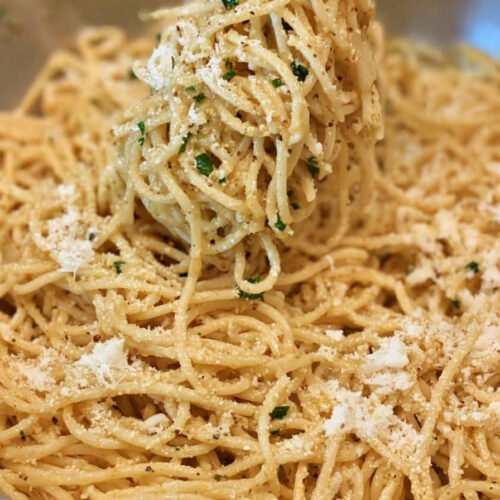
Easy Garlic Parmesan Spaghetti Recipes for Busy Weeknights
Ingredients
- 8 oz pasta (spaghetti or your favorite shape)
- 4 tablespoons butter
- 4 cloves garlic, sliced or minced (fresh is best)
- ½ teaspoon black pepper
- ½ teaspoon salt
- ½ cup Parmesan cheese
- ¼ cup fresh parsley, chopped
Instructions
- Get your water boiling in a medium saucepan and cook the pasta like the package tells you to.
- While that’s going, melt your butter in a skillet over medium heat. Don’t walk away or you’ll burn it. Ask me how I know.
- Toss in the garlic and let it sizzle for a minute or two until it smells amazing. Don’t let it turn brown or it’ll taste bitter.
- Sprinkle in the salt and pepper, give it a stir.
- Drain your pasta but save about half a cup of that starchy water. Trust me on this one.
- Add the cooked pasta right into the butter and garlic mixture. Toss everything together so every strand gets coated.
- Slowly pour in some of that reserved pasta water, a little at a time, until it looks creamy and not dry.
- Pull it off the heat and stir in the Parmesan cheese and parsley.
- Serve it up right away and watch it disappear!
10) Nutrition
Serving Size: 1/6 of the recipe, Calories: 113, Sugar: 2 g, Sodium: 594 mg, Fat: 10 g, Saturated Fat: 6 g, Carbohydrates: 3 g, Fiber: 1 g, Protein: 4 g, Cholesterol: 26 mg



Leave a Comment