
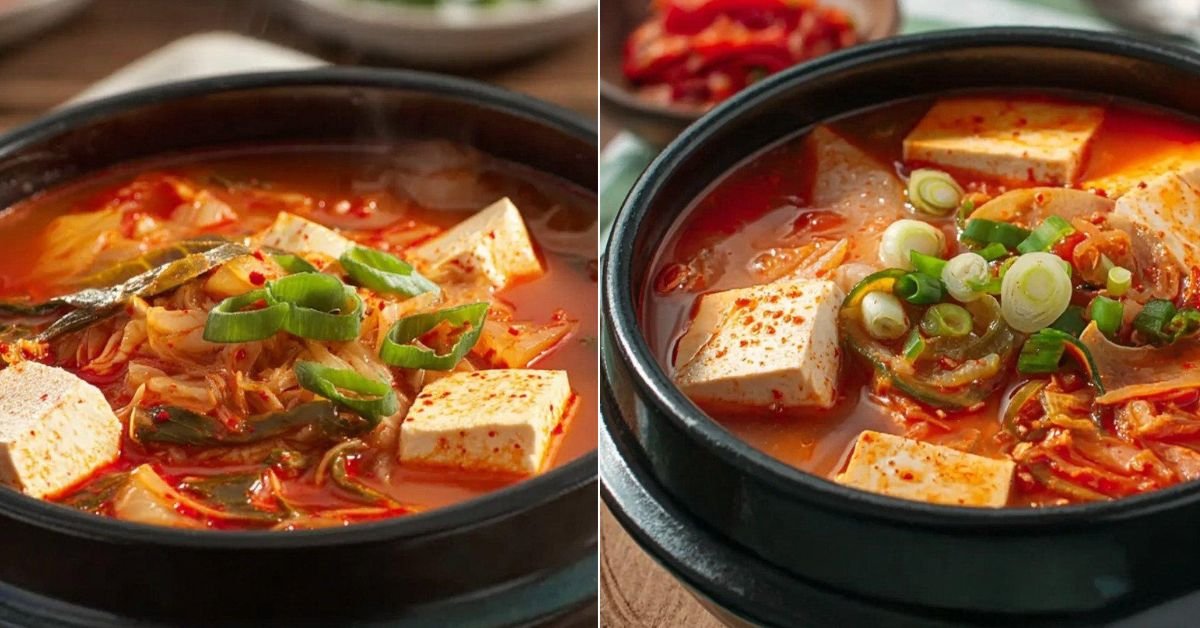
If you’re craving something bold, comforting, and deeply flavorful, this kimchi jigae recipe is exactly what you need. Known as a staple in Korean households, this rich stew highlights fermented kimchi in the most delicious way. Whether you’re exploring a kimchi jjigae recipe for the first time or looking to refine your go-to korean kimchi recipe, this dish delivers warmth and complexity in every bite. This kimchi soup recipe is incredibly versatile and can be adapted with pork, tofu, or even seafood depending on your preference. As one of the most beloved kimchi recipe ideas, kimchi jjigae transforms simple pantry ingredients into a deeply satisfying meal. If you already enjoy making a classic kimchi recipe, this stew is the perfect next step to elevate your cooking. Beyond soups, kimchi is used in many creative ways, from fried rice to savory pancakes like the popular kimchi pancake recipe. But nothing beats the comforting depth of a simmering pot of kimchi jigae recipe on a chilly day. It’s easy, hearty, and packed with umami—perfect for both beginners and seasoned home cooks.
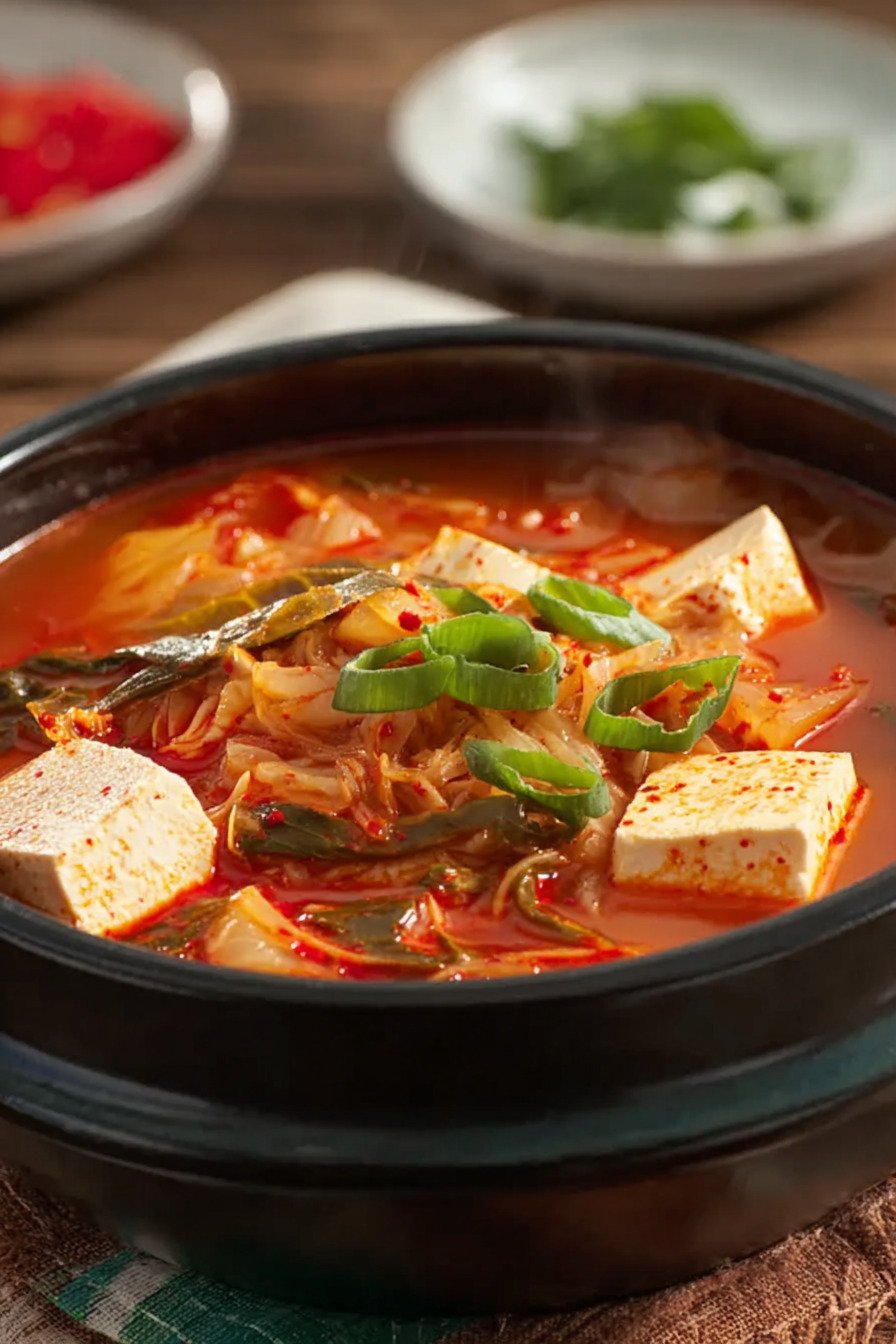
Table of Contents
- 1) Key Takeaways
- 2) Easy Korean Kimchi Soup (Kimchi Jjigae) – foodbrandlogo Recipe
- 3) Ingredients for Korean Kimchi Soup (Kimchi Jjigae) – foodbrandlogo
- 4) How to Make Korean Kimchi Soup (Kimchi Jjigae) – foodbrandlogo
- 5) Tips for Making Korean Kimchi Soup (Kimchi Jjigae) – foodbrandlogo
- 6) Making Korean Kimchi Soup (Kimchi Jjigae) – foodbrandlogo Ahead of Time
- 7) Storing Leftover Korean Kimchi Soup (Kimchi Jjigae) – foodbrandlogo
- 8) Try these main course recipes next!
- 9) Korean Kimchi Soup (Kimchi Jjigae) – foodbrandlogo
- 10) Nutrition
1) Key Takeaways
- Bold, spicy, savory Korean comfort food made with deeply flavorful fermented kimchi.
- A cozy choice for Soup Recipes when you want something hearty, warming, and satisfying.
- This kimchi jigae recipe is flexible enough for pork, tofu, tuna, or a lighter vegetarian version.
- A practical way to use aged kimchi while exploring more kimchi recipe ideas at home.
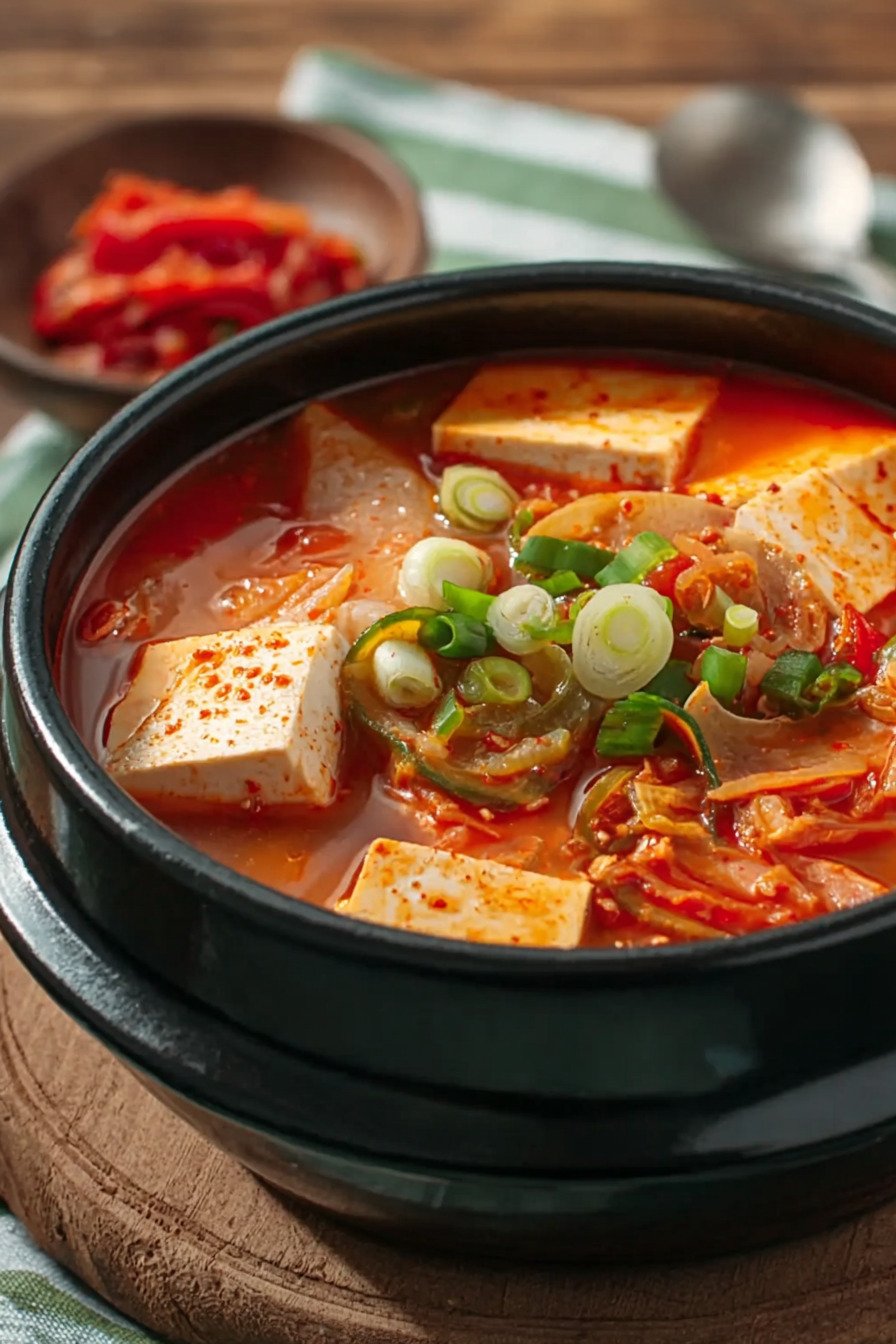
2) Easy Korean Kimchi Soup (Kimchi Jjigae) – foodbrandlogo Recipe
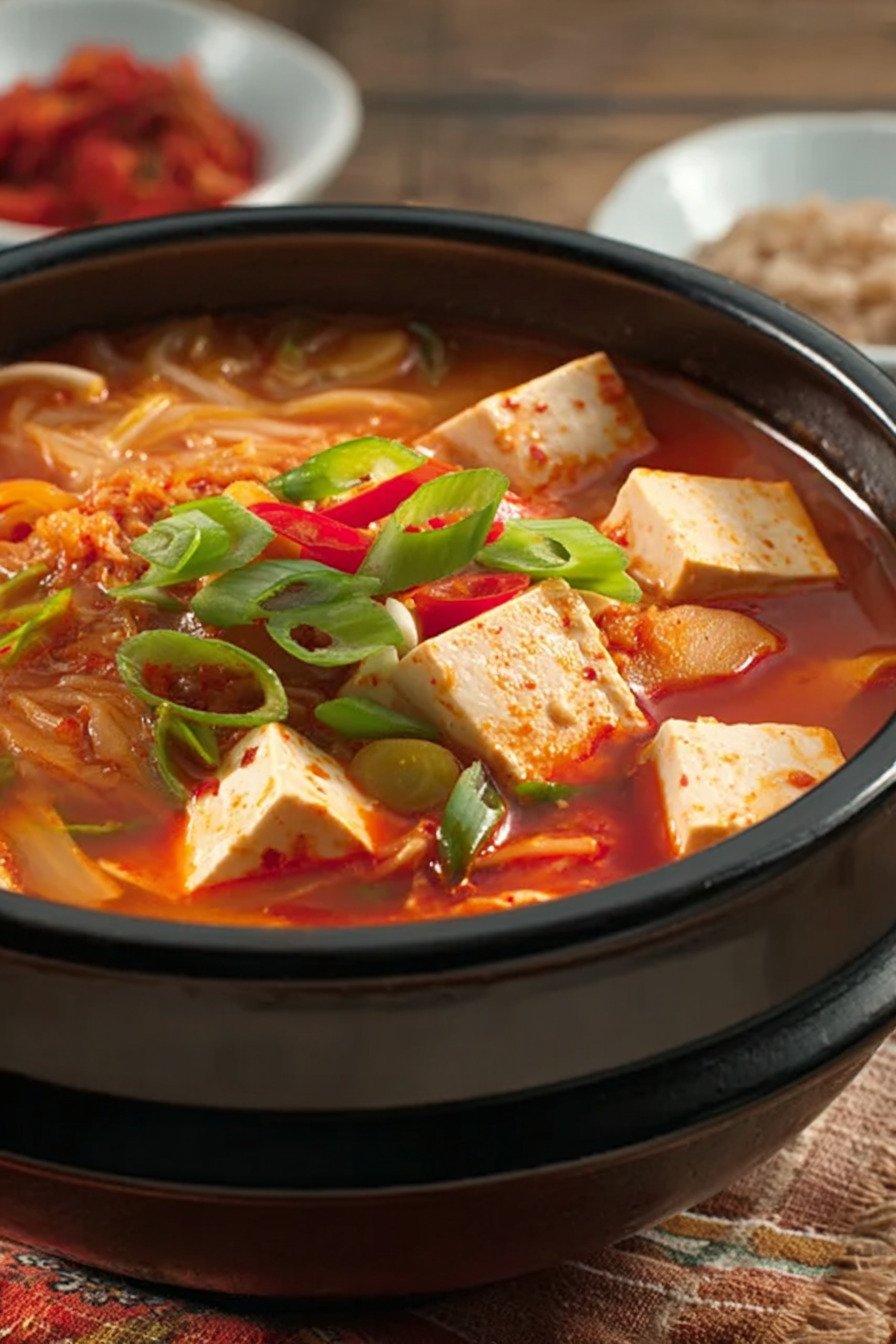
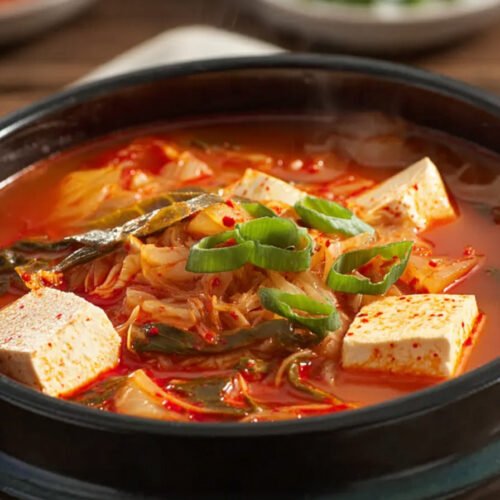
Korean Kimchi Soup, also known as Kimchi Jjigae, is the kind of dish that feels instantly comforting from the first spoonful. It is spicy, tangy, savory, and deeply warming, with a rich broth built around fermented kimchi, garlic, tofu, and tender protein. If you have been searching for a kimchi jigae recipe that tastes cozy yet bold, this simple soup-style meal is a perfect place to start.
As part of the Soup Recipes category, this dish is ideal for chilly evenings, quick dinners, and comforting weekend meals. A good kimchi jjigae recipe does not need to be complicated; the magic comes from letting aged kimchi simmer until it releases all of its sour, spicy, umami-packed flavor into the broth.
This recipe is also a wonderful introduction to a classic korean kimchi recipe mindset, where fermented vegetables become the foundation of an entire meal. Whether you already love a basic kimchi recipe, want more kimchi recipe ideas, or usually use kimchi in a kimchi pancake recipe, this kimchi soup recipe gives you another delicious way to enjoy it.
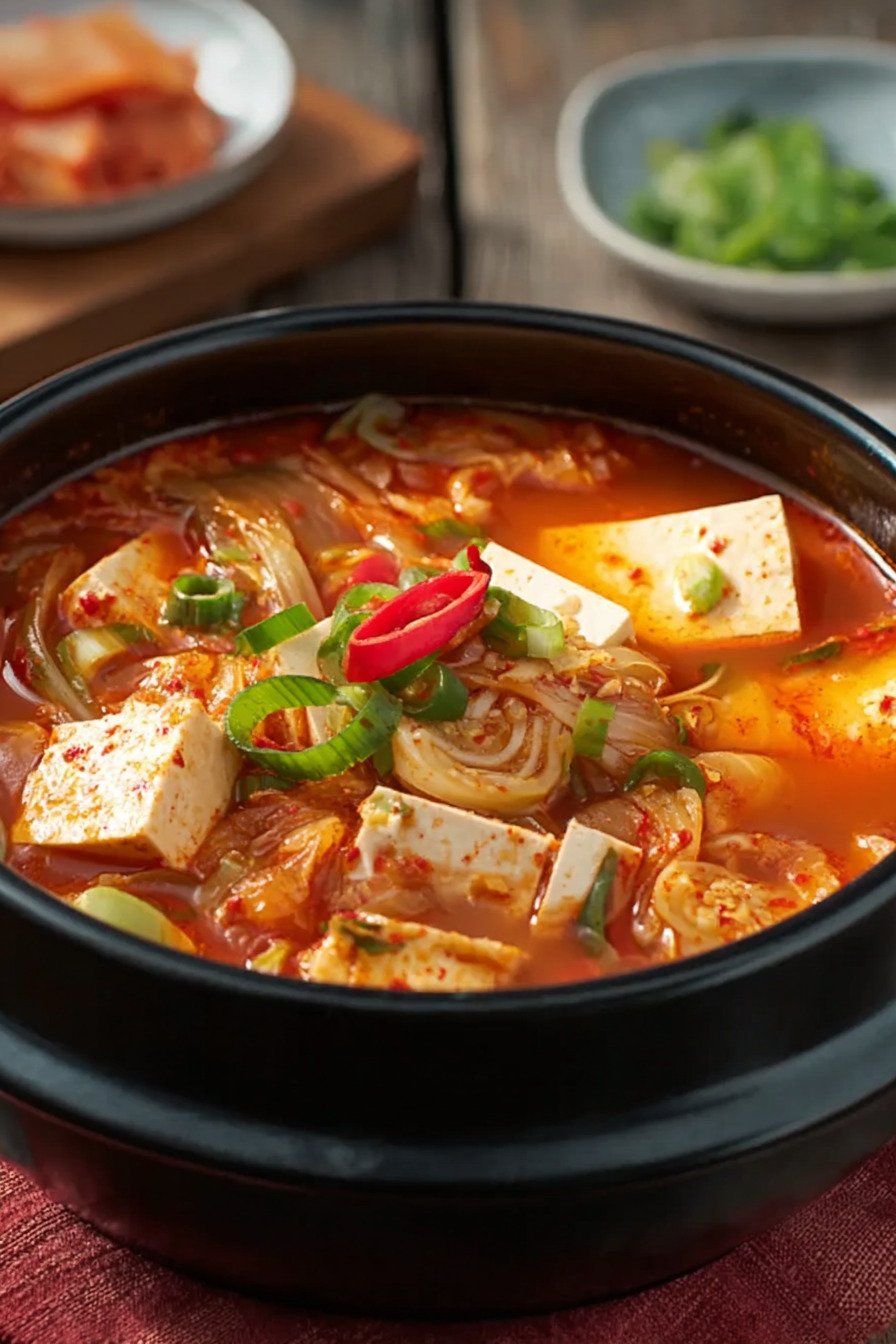
3) Ingredients for Korean Kimchi Soup (Kimchi Jjigae) – foodbrandlogo
Kimchi Aged kimchi is the heart of this kimchi jigae recipe because it brings tanginess, spice, and natural depth to the broth. The more fermented it is, the richer and more complex your soup will taste.
Pork Belly or Pork Shoulder Pork adds savory richness and a satisfying main-course feel. Its fat melts into the broth, balancing the sharp flavor of the kimchi beautifully.
Tofu Tofu softens the heat and adds a silky texture. It also makes the soup feel hearty without overpowering the bold kimchi flavor.
Onion Onion adds gentle sweetness and rounds out the spicy broth, creating a more balanced kimchi soup recipe.
Garlic Garlic gives the stew its warm, aromatic base and enhances the savory character of the kimchi and broth.
Gochujang This Korean chili paste adds body, heat, and a slightly sweet fermented flavor that makes the soup taste fuller.
Gochugaru Korean chili flakes bring bright color and extra spice, helping the broth become bold and vibrant.
Broth or Water Anchovy broth, chicken broth, or water can be used. Broth creates a deeper flavor, while water lets the kimchi shine more clearly.
4) How to Make Korean Kimchi Soup (Kimchi Jjigae) – foodbrandlogo
Step 1 Slice the pork, chop the kimchi into bite-sized pieces, mince the garlic, slice the onion, and cut the tofu into thick cubes so everything is ready before cooking.
Step 2 Add the pork to a pot and cook it over medium heat until it begins to brown and release some of its flavorful fat.
Step 3 Stir in the kimchi and garlic, then cook for a few minutes so the kimchi deepens in flavor and becomes slightly softened.
Step 4 Add gochujang, gochugaru, and broth or water, then bring the mixture to a gentle boil.
Step 5 Add the onion and tofu, reduce the heat, and simmer until the broth tastes rich, spicy, and well blended.
Step 6 Taste and adjust with soy sauce, salt, or a little kimchi brine, then serve hot with steamed rice.
5) Tips for Making Korean Kimchi Soup (Kimchi Jjigae) – foodbrandlogo
Use older, well-fermented kimchi whenever possible. Fresh kimchi can taste delicious, but aged kimchi gives a kimchi jjigae recipe its signature tangy depth and bold restaurant-style flavor.
If you prefer a milder soup, reduce the gochugaru and add extra tofu or broth. For a richer version, use pork belly; for a lighter option, try tuna, chicken, mushrooms, or a meatless tofu variation.
Do not rush the simmering time. Even a simple kimchi soup recipe becomes more flavorful when the broth has time to absorb the kimchi, garlic, chili paste, and protein.
6) Making Korean Kimchi Soup (Kimchi Jjigae) – foodbrandlogo Ahead of Time
This soup is excellent for meal prep because the flavor often improves after resting. You can chop the kimchi, slice the pork, cube the tofu, and prepare the aromatics in advance so the cooking process is quick and easy.
You can also make the full pot ahead of time and refrigerate it once cooled. The broth will become even more savory overnight, making this kimchi jigae recipe a strong make-ahead option for busy days.
If preparing ahead, add delicate tofu closer to serving if you want it to keep its shape. The soup will still taste wonderful if tofu is stored in the broth, but it may become softer after reheating.
7) Storing Leftover Korean Kimchi Soup (Kimchi Jjigae) – foodbrandlogo
Store leftover kimchi soup in an airtight container in the refrigerator for up to 3 days. Let it cool before sealing, and reheat it gently on the stovetop or in the microwave until steaming hot.
For freezing, place cooled soup in freezer-safe containers and freeze for up to 2 months. Keep in mind that tofu can change texture after freezing, so you may prefer to freeze the broth and kimchi base, then add fresh tofu when reheating.
Leftovers can also be repurposed into a quick noodle bowl, served over rice, or used as a flavorful base for adding dumplings, ramen, or extra vegetables. It is one of the easiest kimchi recipe ideas for turning one pot into multiple meals.
8) Try these main course recipes next!

9) Korean Kimchi Soup (Kimchi Jjigae) – foodbrandlogo
Authentic Kimchi Jigae Recipe – Spicy Korean Comfort Soup
Ingredients
Main Ingredients
- 2 cups aged kimchi, chopped
- 200g pork belly or shoulder, sliced
- 1 block firm tofu, cubed
- 1/2 onion, sliced
- 2 cloves garlic, minced
- 2 cups water or anchovy broth
Seasoning
- 1 tbsp gochujang (Korean chili paste)
- 1 tsp gochugaru (Korean chili flakes)
- 1 tsp soy sauce
- 1 tsp sesame oil
- Salt to taste
Instructions
Preparation
- Chop the kimchi into bite-sized pieces and slice the pork and onion.
- Mince the garlic and cube the tofu.
Cooking
- In a pot, sauté pork until lightly browned.
- Add kimchi and cook for 3-4 minutes to enhance flavor.
- Stir in garlic, gochujang, and gochugaru.
- Pour in water or broth and bring to a boil.
- Add tofu and onion, then simmer for 15-20 minutes.
- Season with soy sauce, sesame oil, and salt before serving.
10) Nutrition
Serving Size 1 portion Calories 320 Sugar 4 g Sodium 820 mg Fat 18 g Saturated Fat 6 g Carbohydrates 14 g Fiber 3 g Protein 22 g Cholesterol 55 mg





Leave a Comment