

You know what? I’ve been making this potato soup for years, and it still gets me every single time. There’s something about potatoes bubbling away in a pot that just feels right, you know? This creamy potato soup recipe is one of those dishes that brings back all the good memories. When I was a kid, my grandma used to make something pretty similar, and now I’m carrying on the tradition. The best part? This simple potato soup recipe uses stuff you probably already have sitting in your pantry. No fancy ingredients, no complicated steps. What I love most is how flexible it is. Want to make it vegetarian? Skip the sausage and you’re good to go. Feeling like you need some protein? Toss in those little sausage pieces at the end (I always heat mine separately so they don’t mess with the flavor of the soup itself). I’m gonna walk you through my potato soup recipe stovetop method that’ll have everyone asking for seconds. Trust me on this one.
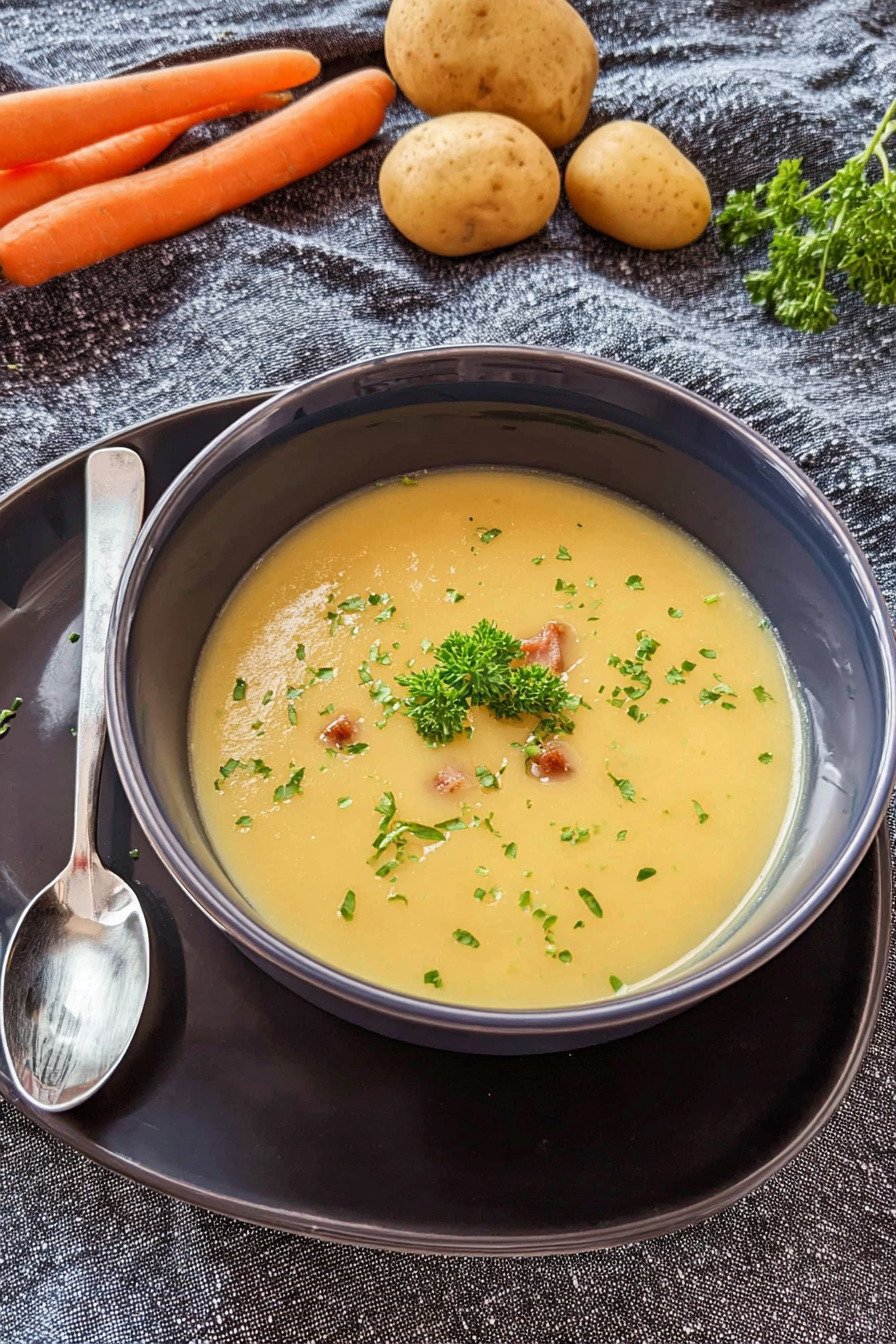
Table of Contents
- 1) Key Takeaways
- 2) Easy Grandma’s Creamy Potato Soup Recipe
- 3) Ingredients for Grandma’s Creamy Potato Soup
- 4) How to Make Grandma’s Creamy Potato Soup
- 5) Tips for Making Grandma’s Creamy Potato Soup
- 6) Making Grandma’s Creamy Potato Soup Ahead of Time
- 7) Storing Leftover Grandma’s Creamy Potato Soup
- 8) Try these soups next!
- 9) Grandma’s Creamy Potato Soup
- 10) Nutrition
1) Key Takeaways
- What makes potato soup creamy and thick?
- Can you make potato soup without cream?
- What’s the best type of potato for soup?
- How do you prevent potato soup from getting watery?
- Can potato soup be made vegetarian?
2) Easy Grandma’s Creamy Potato Soup Recipe
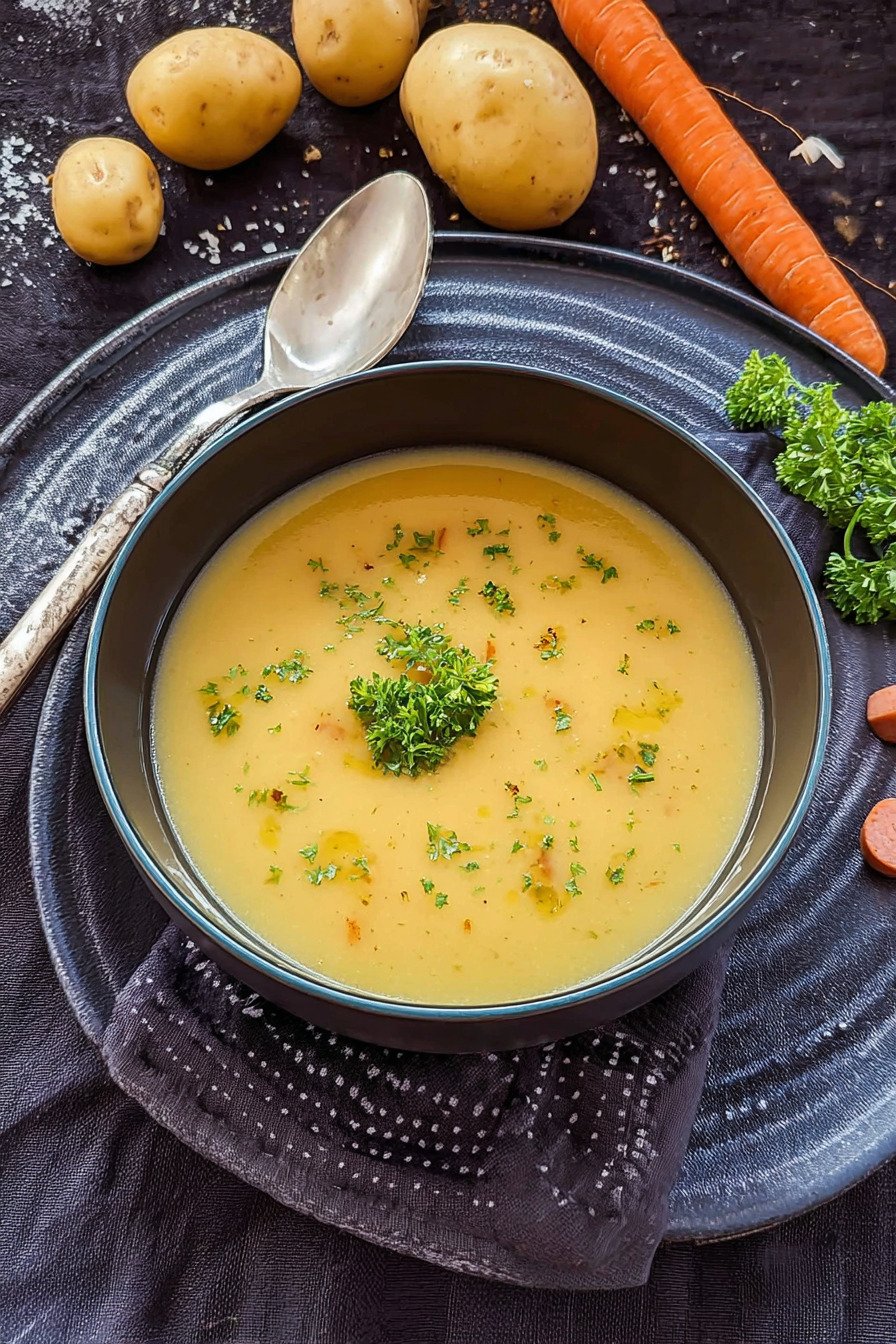
Listen, I’ve tried a ton of potato soup recipes over the years, and this one right here? It’s the real deal. This creamy potato soup has been in my rotation since I can remember, and it never gets old. What makes it so great is how unbelievably simple it is to pull together.
You don’t need any special cooking skills or fancy kitchen gadgets for this simple potato soup recipe. Got a pot and a spoon? You’re basically halfway there. The ingredient list is short, which means less time shopping and more time eating. I’m talking potatoes, carrots, onions, and a few other basics that you probably already have sitting around. No weird stuff, no hunting down specialty items at three different stores.
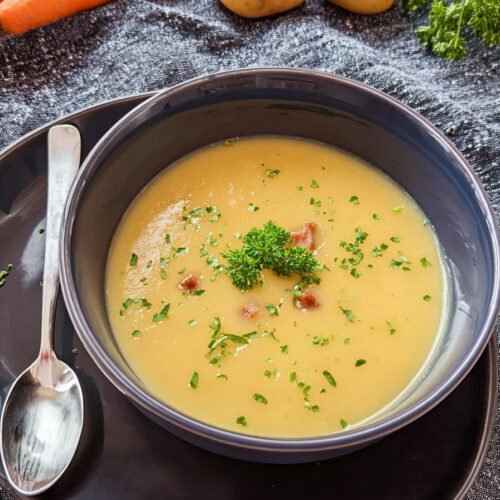
What really sets this soup apart is the texture. When you blend it up, it gets this velvety, smooth consistency that just coats your spoon. The marjoram adds this earthy flavor that makes the whole thing smell amazing. And if you’re feeling it, that splash of cream at the end? Total game changer. But honestly, it’s delicious even without it.
Here’s the thing about this potato soup recipe stovetop method. It’s forgiving. Mess up the timing a little? No big deal. Your vegetables cut a bit uneven? Still gonna taste great. I’ve made this soup when I was stressed, tired, and barely paying attention, and it still came out perfect every time. That’s the beauty of good home cooking. It works with you, not against you.
The other thing I love? You can totally customize it. Want to keep it light and vegetarian? Perfect. Need to feed someone who wants meat? Heat up some sausage separately and toss it in their bowl. Everyone’s happy, and you only made one pot. That’s what I call a win. This soup recipe has saved me on countless busy weeknights when I needed something warm, filling, and comforting but didn’t have hours to spend in the kitchen.
3) Ingredients for Grandma’s Creamy Potato Soup
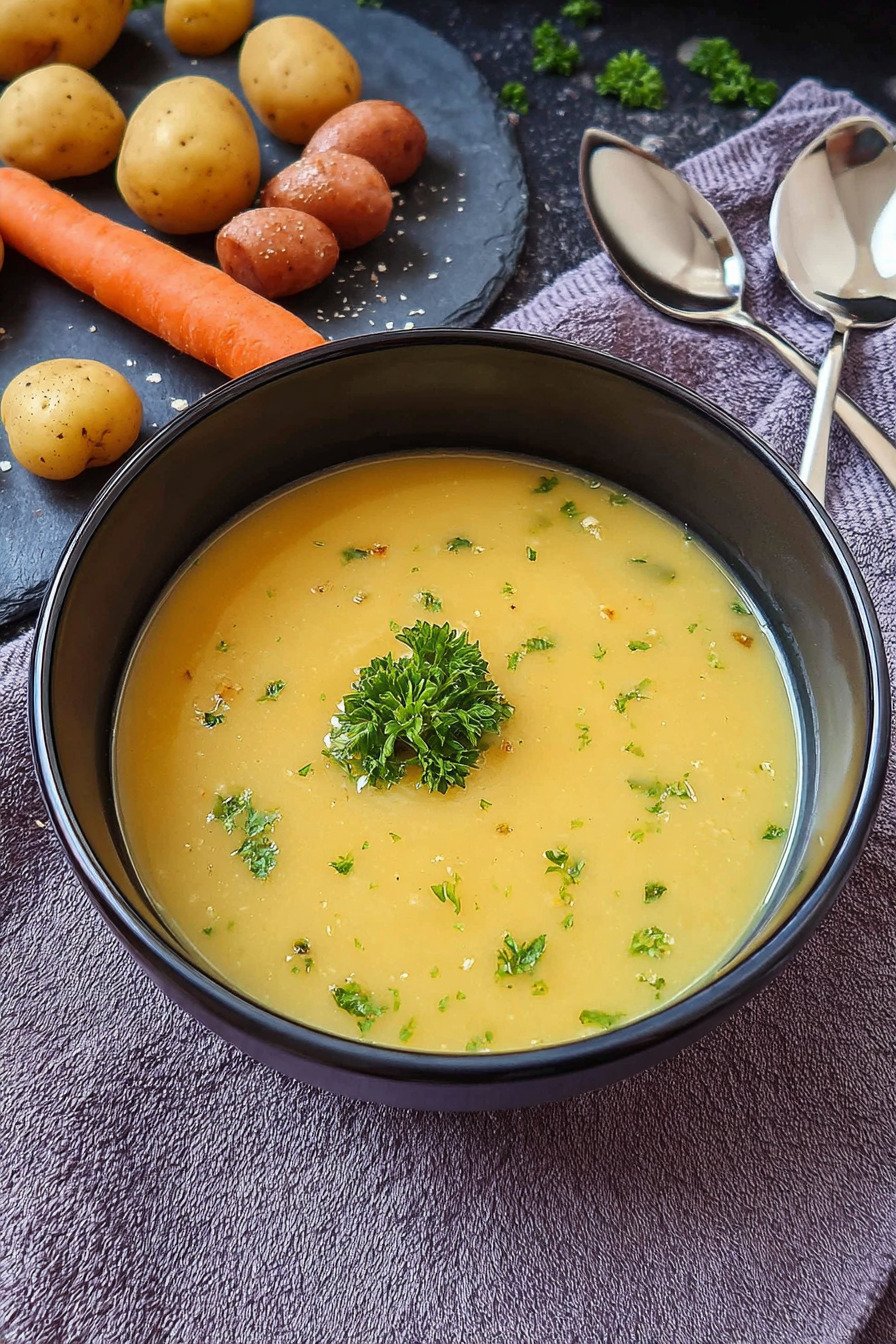
Potatoes. You’ll want about 800 grams, which is roughly 8 to 10 medium potatoes. I prefer using starchy potatoes like Russets or Yukon Golds because they break down nicely and create that thick, creamy texture we’re after. Waxy potatoes will work too, but they’ll stay firmer and you might need to blend longer. Just peel them, chop them up, and you’re good to go.
Carrots. Two medium carrots add a subtle sweetness and a pop of color to your creamy potato soup. They also bring some extra nutrients to the table, which never hurts. Peel them and dice them small so they cook at the same rate as everything else. If your carrots are huge, one might be enough. Use your judgment.
Onions. A couple of medium onions form the flavor base for this soup. They get all sweet and soft when you cook them down, and they add this savory depth that makes the whole pot taste like you spent way more time on it than you actually did. Yellow onions work great here, but white onions are fine too.
Leek. Half a stalk of leek brings a mild, slightly sweet onion flavor that’s a bit more delicate than regular onions. Make sure you wash it really well because dirt loves to hide between those layers. Slice it thin and it’ll basically melt into the soup. If you can’t find leeks, just use an extra onion.
Celery Root. This gnarly looking vegetable might seem intimidating, but don’t let it scare you. Half a celery root adds this earthy, slightly nutty flavor that makes your simple potato soup recipe taste more complex. Peel off that tough outer layer, chop it up small, and toss it in. You could use regular celery stalks if celery root isn’t available, but the flavor will be different.
Vegetable Broth. About a liter of good vegetable broth is what brings everything together. You can use homemade if you’re feeling ambitious, but store bought works perfectly fine. I always keep boxes of it in my pantry for nights like this. If you want a richer flavor, you could use chicken broth instead, but then it won’t be vegetarian anymore.
Bay Leaf. Just one little bay leaf adds so much aromatic flavor to this soup. Pop it in while everything’s simmering and fish it out before you blend. Don’t skip this. It might seem like a tiny thing, but it makes a real difference. If you’ve never cooked with bay leaves before, now’s your chance to see what they do.
Marjoram. A teaspoon of dried marjoram is what gives this potato soup its signature flavor. It’s got this slightly sweet, floral taste that pairs perfectly with potatoes. If you don’t have marjoram, you could use oregano in a pinch, but marjoram is really worth tracking down. It’s not expensive and a little jar lasts forever.
Butter and Oil. Fifty grams of butter plus a couple tablespoons of oil create the perfect fat combination for sautéing your vegetables. The butter adds richness and the oil keeps the butter from burning. This combo gives you the best of both worlds. You could use all olive oil if you want to keep it dairy free at this stage.
Cream. The optional 100 milliliters of cream is what takes this from good to amazing. It adds this luxurious, silky texture that makes every spoonful feel special. But here’s the thing, the soup is still really good without it. So if you’re watching calories or don’t have cream on hand, skip it. The potato soup recipe stovetop method I use creates plenty of natural creaminess from the potatoes themselves.
Salt and Pepper. Season to taste, which basically means add a little, taste it, add more if needed. Black pepper can get pretty strong as the soup sits, so go easy at first. You can always add more later. I learned this the hard way after making a batch so peppery it made my eyes water.
Fresh Parsley. A handful of fresh parsley for garnish adds a bright, fresh note right at the end. It looks pretty too, which matters more than you might think when you’re serving food. Chop it up rough and sprinkle it over each bowl. If you only have dried parsley, that works too, but fresh is better here.
4) How to Make Grandma’s Creamy Potato Soup
Step 1. Start by getting all your vegetables prepped and ready to go. Peel those potatoes, cut them in half, then chop them into chunks that are roughly the same size. You want them bite sized so they cook evenly and blend smoothly later. This is probably the most time consuming part of making this creamy potato soup, but once it’s done, you’re in the home stretch.
Step 2. Clean up your carrots, leeks, and celery root, then chop everything into small, even pieces. The key here is consistency. When everything’s cut to about the same size, it all finishes cooking at the same time. Nobody wants crunchy carrots floating in an otherwise soft soup. Take your time with this step and it’ll pay off later.
Step 3. Grab your biggest pot and set it over medium heat. Toss in the butter and oil, let them melt together, then add your chopped onions. Stir them around until they start to look translucent and smell amazing. This usually takes about 5 minutes. You’re building flavor here, so don’t rush it. Those onions are the foundation of your soup.
Step 4. Add the leeks, carrots, and celery root to the pot with your onions. Give everything a good stir and let it cook for another few minutes. You want the vegetables to start softening up and getting friendly with each other. The smell coming from your pot right now should be making you seriously hungry. That’s how you know you’re doing it right.
Step 5. Time to add those potato chunks. Dump them all in and stir everything together. Then pour in your vegetable broth until everything’s covered. Drop in that bay leaf and season with some salt and pepper. But hold off on the marjoram and parsley for now. We’ll add those later. This is where your simple potato soup recipe really starts coming together.
Step 6. Bring everything to a gentle boil, then turn the heat down to a simmer. Let it bubble away for about 30 minutes, stirring occasionally. Your potatoes and vegetables should be completely tender by now. You’ll see some foam forming on top as it cooks. Skim that off with a spoon when you think about it. It can taste slightly bitter if you leave it in.
Step 7. Fish out that bay leaf and get ready to blend. If you’ve got an immersion blender, this is its moment to shine. Stick it right in the pot and blend until your soup is as smooth as you like it. I go for completely creamy, but some people like to leave a few chunks. Your call. If you’re using a regular blender, work in batches and be careful with the hot liquid.
Step 8. Now stir in your marjoram and about half of your chopped parsley. This is when your potato soup really starts smelling like something special. Taste it and adjust the seasoning. Need more salt? Add it. Want it creamier? This is when you’d stir in that optional cream. Take your time getting the flavor exactly how you want it.
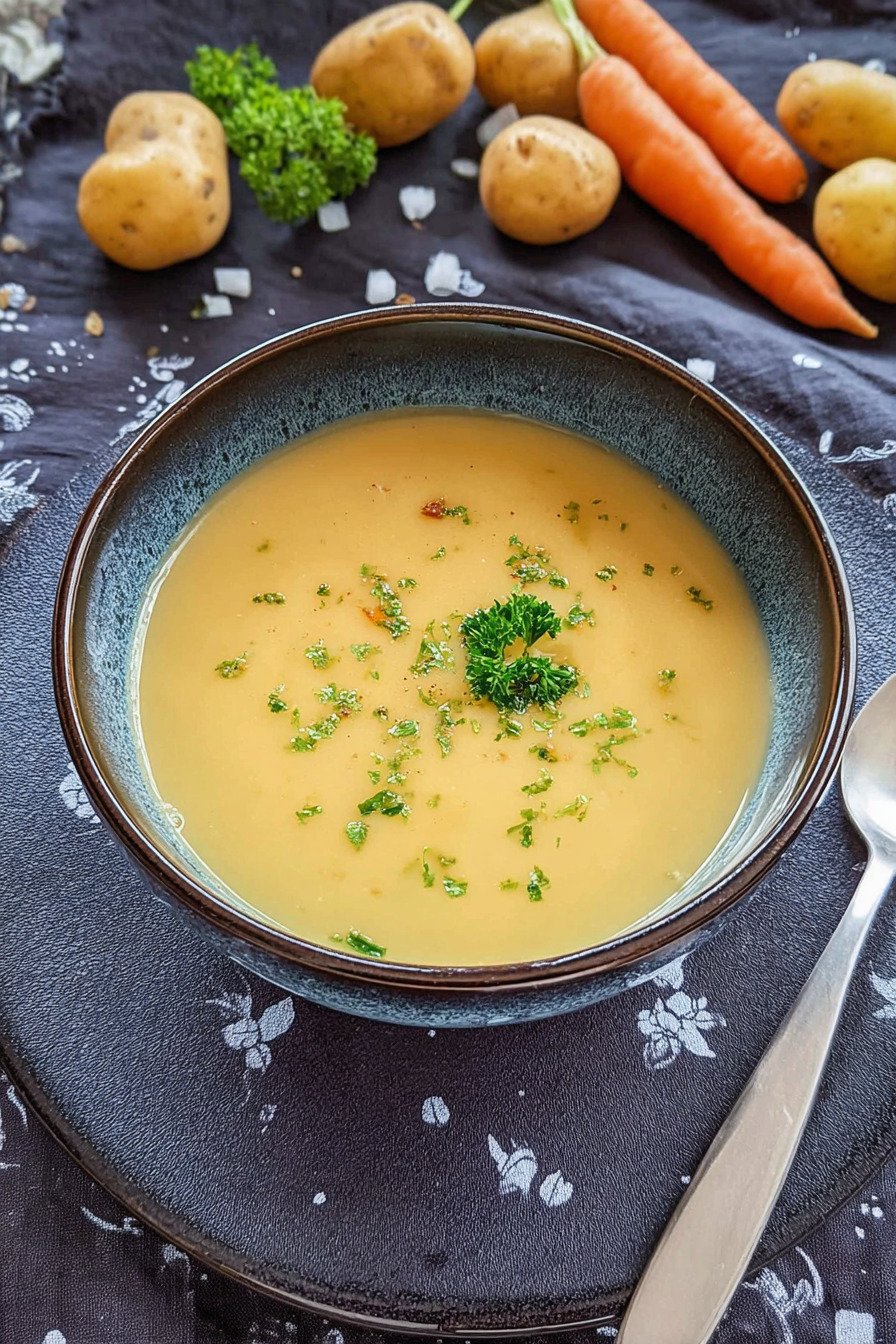
Step 9. Ladle your hot soup into bowls and top each one with the remaining parsley. If you’re adding sausage, heat it separately in a pan and add it to individual bowls. This way everyone can choose whether they want it or not. Serve it up hot with some crusty bread on the side for dipping. Watch how fast those bowls empty.
5) Tips for Making Grandma’s Creamy Potato Soup
Choose the right potatoes. Starchy varieties like Russets break down beautifully and create that thick, velvety texture you want in a creamy potato soup. Yukon Golds work great too and they add a slightly buttery flavor. If you use waxy potatoes like red potatoes, they’ll hold their shape more, which is fine if you like a chunkier soup, but you might need to blend longer to get it smooth.
Cut everything the same size. This isn’t just me being picky. When your vegetables are roughly the same size, they cook evenly. You won’t end up with some pieces that are mushy while others are still crunchy. It makes a real difference in the final texture of your soup. Plus, it looks better too, which matters if you’re feeding other people.
Don’t skip the sautéing step. Taking the time to cook down your onions and vegetables before adding the broth develops so much more flavor than just throwing everything in raw. Those few extra minutes of cooking bring out natural sugars and create a deeper, richer taste. This is one of those simple potato soup recipe tricks that separates okay soup from amazing soup.
Skim the foam. Yeah, it’s a bit of extra work, but that foam can add a bitter taste if you leave it in. Just take a spoon and skim it off the top every now and then while the soup’s simmering. It only takes a second and it really does improve the final flavor. I forget sometimes and I always notice the difference.
Add marjoram after blending. If you add it before, your soup might turn a weird greenish color. It’ll still taste fine, but it won’t look as appealing. Blend first, then stir in the marjoram. Simple fix that keeps your soup looking as good as it tastes. Trust me on this one, I learned it the hard way.
Go easy on the pepper. Black pepper gets stronger as it sits. What tastes perfectly seasoned right after you make it might be overpoweringly peppery the next day. Start with less than you think you need. You can always add more when you reheat it, but you can’t take it out once it’s in there. I’ve made this mistake more times than I care to admit.
Blend to your preferred consistency. Some people like their potato soup completely smooth and creamy. Others prefer it with some texture. You’re in control here. Blend a little for chunky, blend more for smooth, or even blend just half of it and mix it back in for something in between. There’s no wrong answer, just personal preference.
Heat sausage separately. If you’re adding sausage, cook it in its own pan and add it to individual bowls at the end. This keeps the soup vegetarian for anyone who wants it that way, and it also keeps the sausage flavor from taking over the whole pot. The soup tastes better when it maintains its own flavor profile. Plus, the sausages stay crispier when you cook them separately.
6) Making Grandma’s Creamy Potato Soup Ahead of Time
This soup is perfect for meal prep. I make it on Sunday and eat it all week long. The flavors actually get better after a day or two in the fridge. Something about letting everything meld together overnight just works. You can make the whole batch, portion it out into containers, and grab one whenever you need a quick lunch or dinner.
If you’re planning to make this creamy potato soup ahead, I’d recommend holding back on the cream until you’re ready to eat. The soup freezes better without it, and you can always stir some in when you reheat. Same goes for the parsley garnish. Add that fresh right before serving so it stays bright and green. Nobody wants sad, wilted parsley floating on top.
The soup thickens up quite a bit as it sits in the fridge, which is totally normal. When you go to reheat it, you might need to add a splash of broth or water to thin it back out. Just heat it gently on the stove, stirring occasionally, and adjust the consistency to your liking. It’ll taste just as good as the day you made it, maybe even better.
You can freeze this soup for up to three months, which is pretty handy. Pour cooled soup into freezer safe containers, leaving a little room at the top for expansion. Label them with the date so you remember what you’ve got. To reheat from frozen, thaw it in the fridge overnight, then warm it up on the stove. You might notice a slight change in texture after freezing, but it’s still delicious.
One trick I use when making soup ahead is to slightly undercook the vegetables. They’ll soften more when you reheat them, so if you cook them completely tender the first time, they might get a bit mushy later. Just take them off the heat when they’re almost done. This works great for this potato soup recipe stovetop method when you know you’ll be reheating portions throughout the week.
7) Storing Leftover Grandma’s Creamy Potato Soup
Leftover soup should go into an airtight container as soon as it cools down to room temperature. Don’t leave it sitting out on the counter for hours. Get it in the fridge within two hours of cooking to keep it safe. It’ll stay good in there for about three days, maybe four if you’re lucky. After that, the quality starts to decline and it’s not worth the risk.
When you’re ready to eat your leftover simple potato soup recipe, pour what you want into a pot and heat it gently over medium low heat. Stir it frequently so it doesn’t stick to the bottom or develop hot spots. If it seems too thick, add a little broth or water. If it needs more flavor, this is your chance to adjust the seasoning. Sometimes leftovers need a little boost.
You can also reheat individual portions in the microwave, which is super convenient for quick lunches. Just put it in a microwave safe bowl, cover it loosely, and heat in 90 second intervals, stirring in between. The microwave can create hot spots, so that stirring step is important. Nobody wants to burn their mouth on scorching hot soup.
If your soup has sausage in it, it’s best to eat those portions within two days. Meat doesn’t last as long as vegetable based soups. I usually keep the soup plain and add heated sausage to individual servings. That way the vegetarian portions last longer in the fridge. Smart planning means less waste and more good eating.
Here’s something I learned after making way too much soup one time. If you know you won’t finish it in three or four days, freeze half of it right away. Don’t wait until day three when you’re sick of eating it. Freeze it while it’s fresh and you’ll thank yourself later when you’ve got a homemade meal ready to go. Future you will appreciate present you’s planning skills.
8) Try these soups next!




9) Grandma’s Creamy Potato Soup
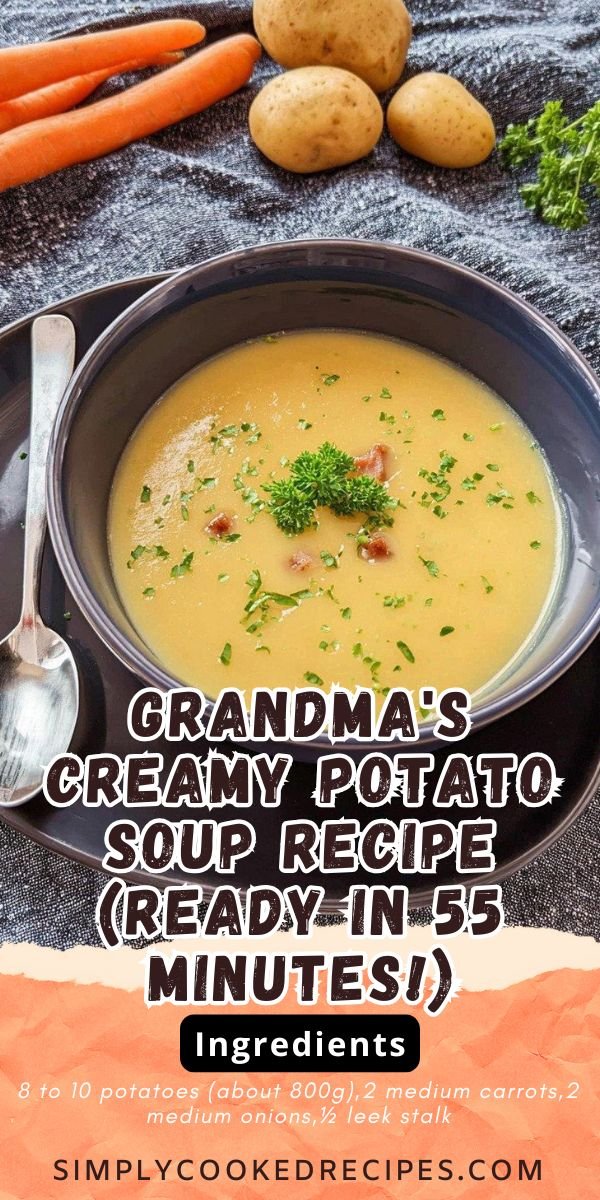
Grandma’s Creamy Potato Soup Recipe (Ready in 55 Minutes!)
Ingredients
- 8 to 10 potatoes (about 800g)
- 2 medium carrots
- 2 medium onions
- ½ leek stalk
- ½ celery root
- About 1 liter vegetable broth
- 1 bay leaf
- 1 tsp dried marjoram
- 50g butter
- 2 tbsp oil
- 100ml cream (optional)
- Salt to taste
- Black pepper to taste
- Fresh parsley for garnish
Instructions
- Peel your potatoes, cut them in half, then chop them into small bite-sized pieces. Nothing too fancy here.
- Clean up the rest of your veggies and chop them small too. Try to keep everything roughly the same size so it all cooks evenly.
- Grab a big pot and melt your butter with the oil over medium heat. Toss in those onions and let them sweat until they turn see-through.
- Add your leeks, carrots, and celery to the party. Give everything a quick stir and let it all get friendly for a couple minutes.
- Now dump in your potato chunks and pour in the vegetable broth until everything’s covered.
- Drop in the bay leaf and your seasonings (but hold off on the marjoram and parsley for now).
- Let this whole thing simmer away for about 30 minutes. Your potatoes and veggies should be nice and tender. If you see foam forming on top, skim it off. It can taste a bit bitter.
- Time to get that immersion blender out (or use a regular blender if that’s what you’ve got). Puree the soup until it’s as smooth as you like it. I go for totally creamy, but you can leave some chunks if that’s your thing.
- Stir in half your parsley and all the marjoram. Now taste it and add salt and pepper. Go easy on the pepper though. It gets stronger as it sits.
- Want it extra rich? Stir in that cream now.
- Ladle your soup into bowls, sprinkle the rest of the parsley on top, and dig in while it’s hot.
10) Nutrition
Serving Size: 1 bowl (about 1/6 of recipe), Calories: 260, Sugar: 4.2 g, Sodium: 580 mg, Fat: 12.5 g, Saturated Fat: 6.8 g, Carbohydrates: 32.8 g, Fiber: 3.5 g, Protein: 5.2 g, Cholesterol: 28 mg





Leave a Comment