
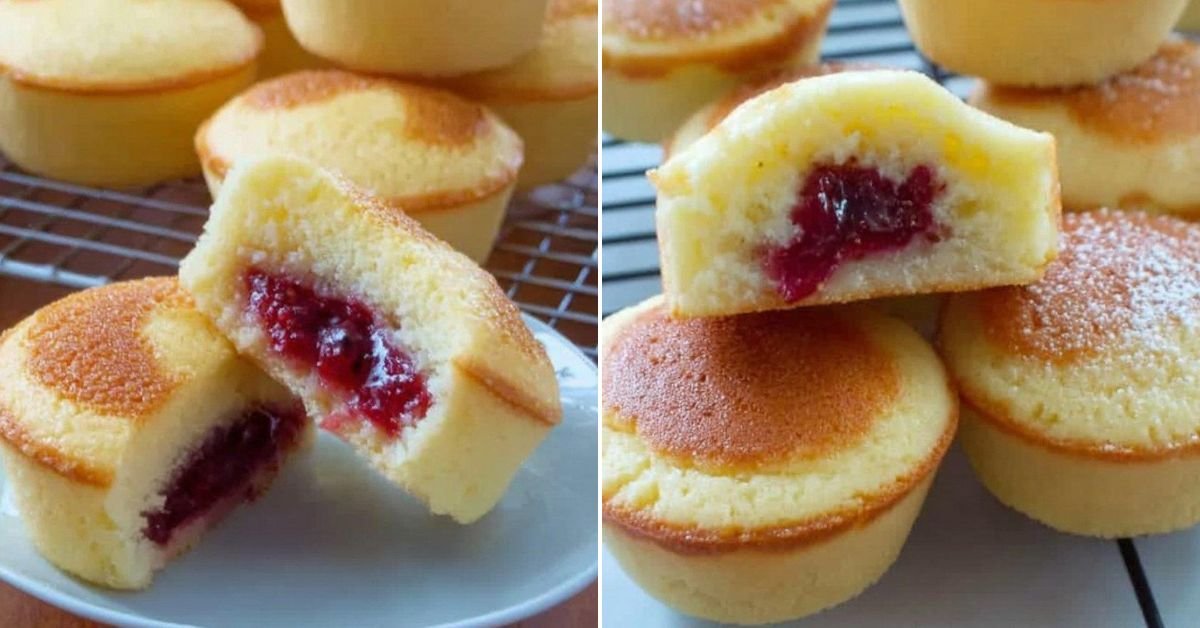
I’ll be honest, the first time I made these Welsh cheesecakes, I expected something closer to the cheesecakes we’re all familiar with. Instead, I found myself pulling a tray of golden, crumbly little cookies from the oven, filled with just the right touch of sweetness. That’s the beauty of old recipes like this Welsh Cakes Recipe. They surprise you, remind you of how people used what they had, and they taste better because of it. When you bite into one, you get that buttery base and a hint of tang from the curd cheese, which makes me think of cottage cheesecake recipes I grew up trying. You know those moments when the smell of baked dough fills the kitchen and you don’t even care if you burn your tongue on the first bite? This is one of those. If you’ve ever hunted for unique cheesecake recipes, these belong on your list. I love pairing them with tea, but I won’t judge if you sneak them with your morning coffee. I’ve even tried a twist with strawberry jam filling, almost like strawberry cheesecake cookies recipes gone rustic. Welsh recipes have a way of connecting you back to simple food, and this one does it better than most. You’ll probably end up eating more than you planned, but that’s half the fun.
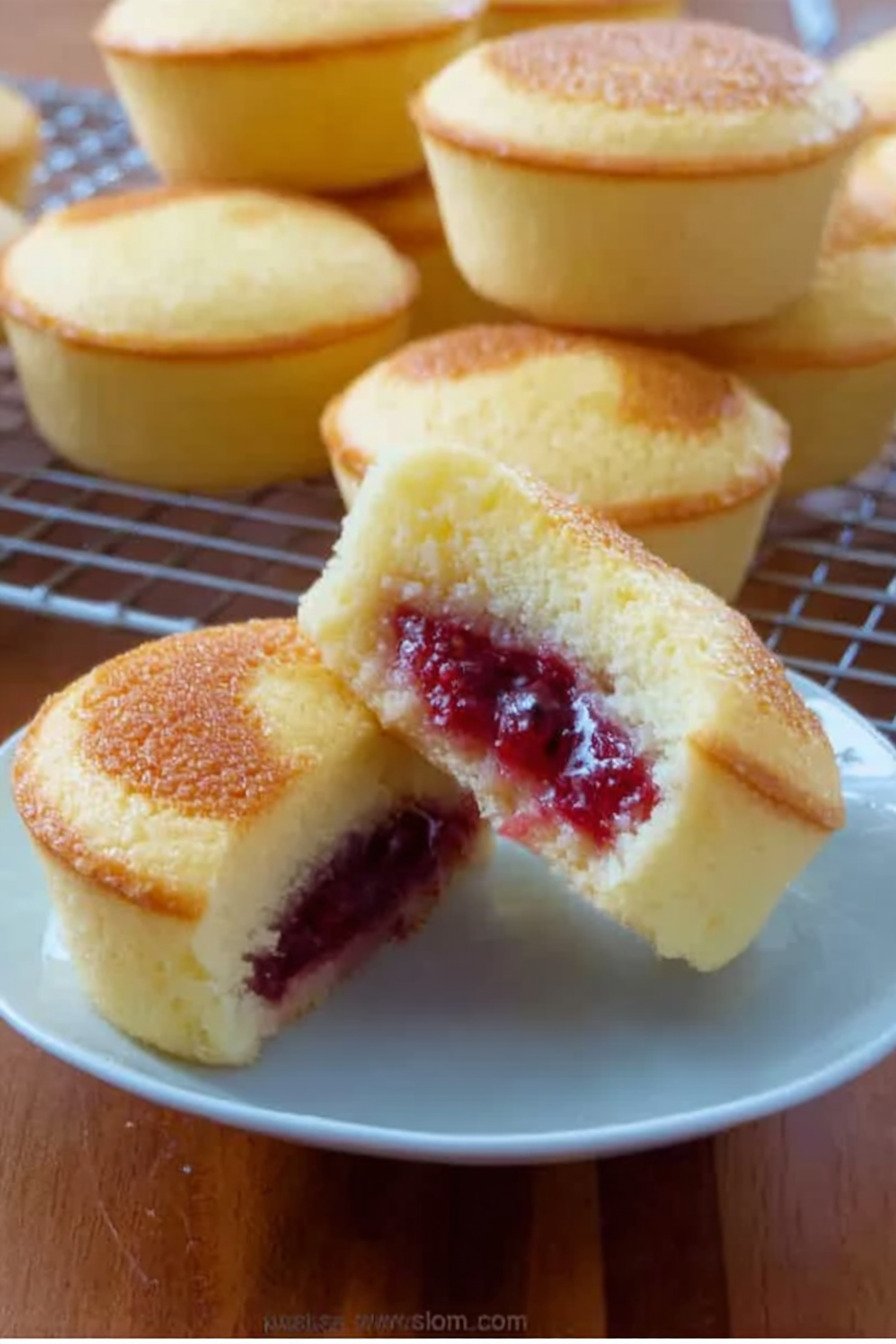
Table of Contents
- 1) Key Takeaways
- 2) Easy Welsh Cheesecakes Recipe
- 3) Ingredients for Welsh Cheesecakes
- 4) How to Make Welsh Cheesecakes
- 5) Tips for Making Welsh Cheesecakes
- 6) Making Welsh Cheesecakes Ahead of Time
- 7) Storing Leftover Welsh Cheesecakes
- 8) Try these Desserts next!
- 9) Welsh Cheesecakes
- 10) Nutrition
1) Key Takeaways
- Welsh cheesecakes are rustic, cookie-like treats filled with curd cheese.
- This recipe ties into old Welsh recipes and makes a unique dessert option.
- You only need simple ingredients like flour, butter, sugar, and cheese.
- Great for pairing with tea, coffee, or even a light dessert plate.
2) Easy Welsh Cheesecakes Recipe
I’ll say this right away. If you came here looking for the towering cheesecake with strawberry sauce dripping down the sides, you’re in the wrong kitchen. Welsh cheesecakes are smaller, humbler, and dare I say, a little more charming. Think of them as cheesecake’s cousin who grew up in the countryside, wore wellies, and knew how to make butter from scratch.
The base of these little gems is buttery and light. That hint of curd cheese makes them stand out in a sea of sweet bakes. I’ve baked them on Sunday mornings when the house still smelled of coffee and the kitchen felt quiet. There’s a comfort in recipes that don’t scream for fancy gadgets or complicated steps. Just your hands, a bowl, and a little patience.
If you’ve searched for Cheesecake Cookies Recipes before, this is the kind of discovery that makes the hunt worth it. They belong on your list not just because they’re tasty, but because they remind you that dessert doesn’t need bells and whistles to win hearts.
3) Ingredients for Welsh Cheesecakes
Flour: Plain flour works best here. It’s the backbone of the dough, giving you that firm but soft bite. You don’t need anything fancy—your usual bag from the pantry will do.
Butter: Softened butter blends into the flour, creating that crumbly texture we all love. The richness it adds is what makes every bite melt just a little on your tongue.
Sugar: A modest amount of sugar keeps things balanced. The sweetness is gentle, never overpowering, and it plays well with the cheese.
Egg: The egg binds everything together. It gives the dough strength so your cheesecakes don’t fall apart when they bake.
Curd Cheese: This is the star ingredient. Tangy, creamy, and not too heavy, it brings character to the recipe. It’s what separates Welsh cheesecakes from just another cookie recipe.
Salt: Just a pinch. Salt sharpens the sweetness and keeps the flavor honest.
Milk: Sometimes the dough feels a bit dry. A splash of milk brings it back together and makes it easier to shape.
Extra Sugar: Sprinkle this on top when they’re still warm. It gives a sparkly finish and a slight crunch that feels like the baker’s final flourish.
4) How to Make Welsh Cheesecakes
Step 1. Preheat the oven to 180C (350F). There’s something calming about waiting for an oven to hum with warmth. It’s like preparing the stage for a quiet show.
Step 2. Rub butter into the flour and salt. The mixture should look like breadcrumbs. It’s hands-on, slightly messy, and exactly the kind of step that connects you to bakers from generations back.
Step 3. Stir in the sugar. Suddenly the bowl feels alive with possibility. Sweetness has that effect.
Step 4. Beat the egg and fold it in. This part always feels like sealing a deal. The dough begins to come together, sticky but full of promise.
Step 5. Add the curd cheese. Fold it gently. You want little bursts of cheese in every bite, not a uniform blend.
Step 6. If it feels dry, add a splash of milk. Just enough to make it manageable. The dough should be soft but not sticky.
Step 7. Roll out the dough on a floured surface and cut it into rounds. Don’t worry if they’re not perfect—rustic is part of their charm.
Step 8. Bake them for about 20 minutes, until golden at the edges. Sprinkle with sugar as soon as they leave the oven. Try to wait a few minutes before tasting, though I rarely manage that.
5) Tips for Making Welsh Cheesecakes
Here’s the thing about recipes like this. They’ve been made for decades, maybe centuries, by people who didn’t have measuring spoons lined up in a drawer. So trust your senses. If the dough feels too dry, add milk. If it feels too wet, sprinkle more flour. There’s no magic ratio, just your judgment.
Try not to overmix once you add the curd cheese. Those uneven pockets of cheese are what make each bite interesting. Perfection isn’t the goal here, flavor is.
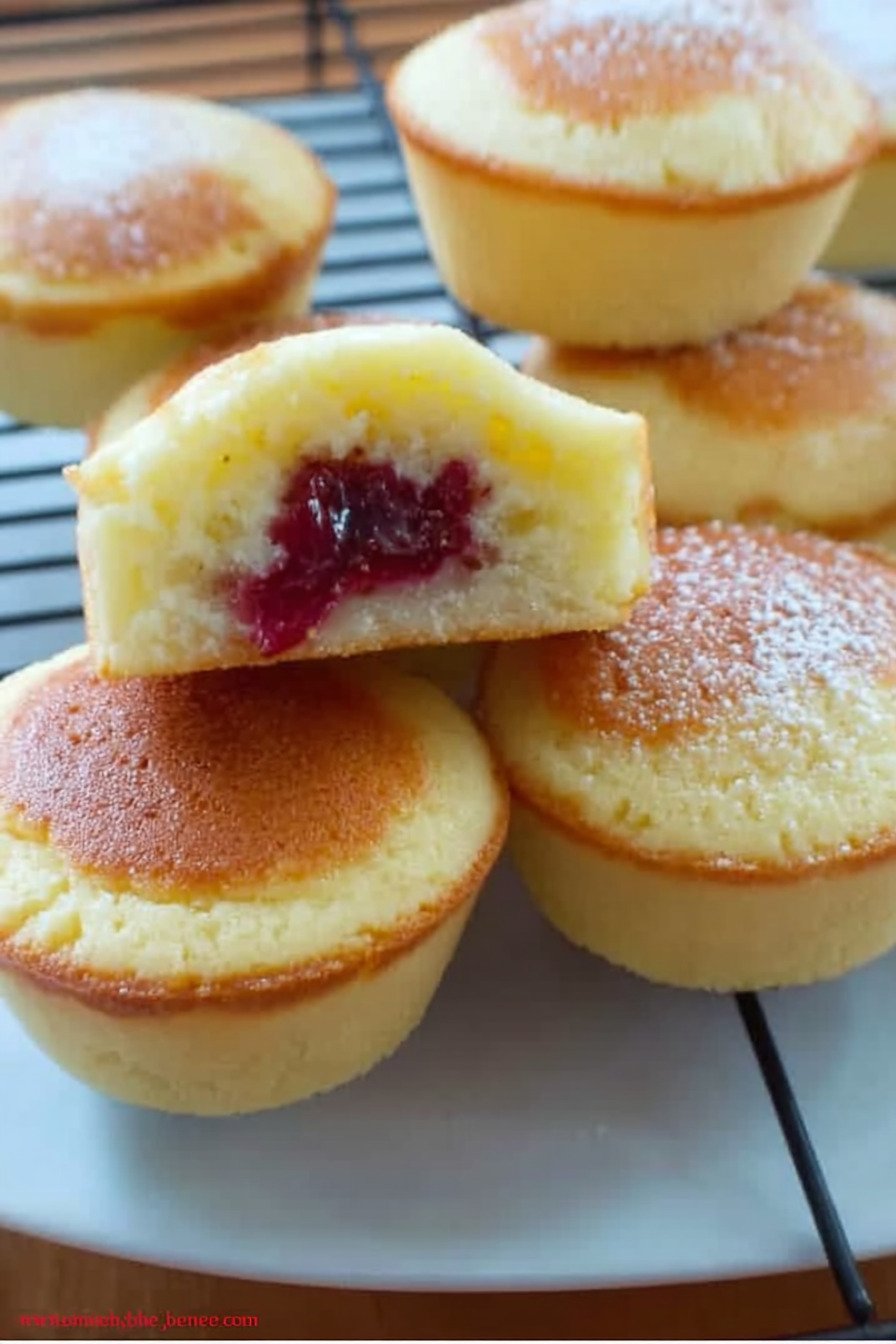
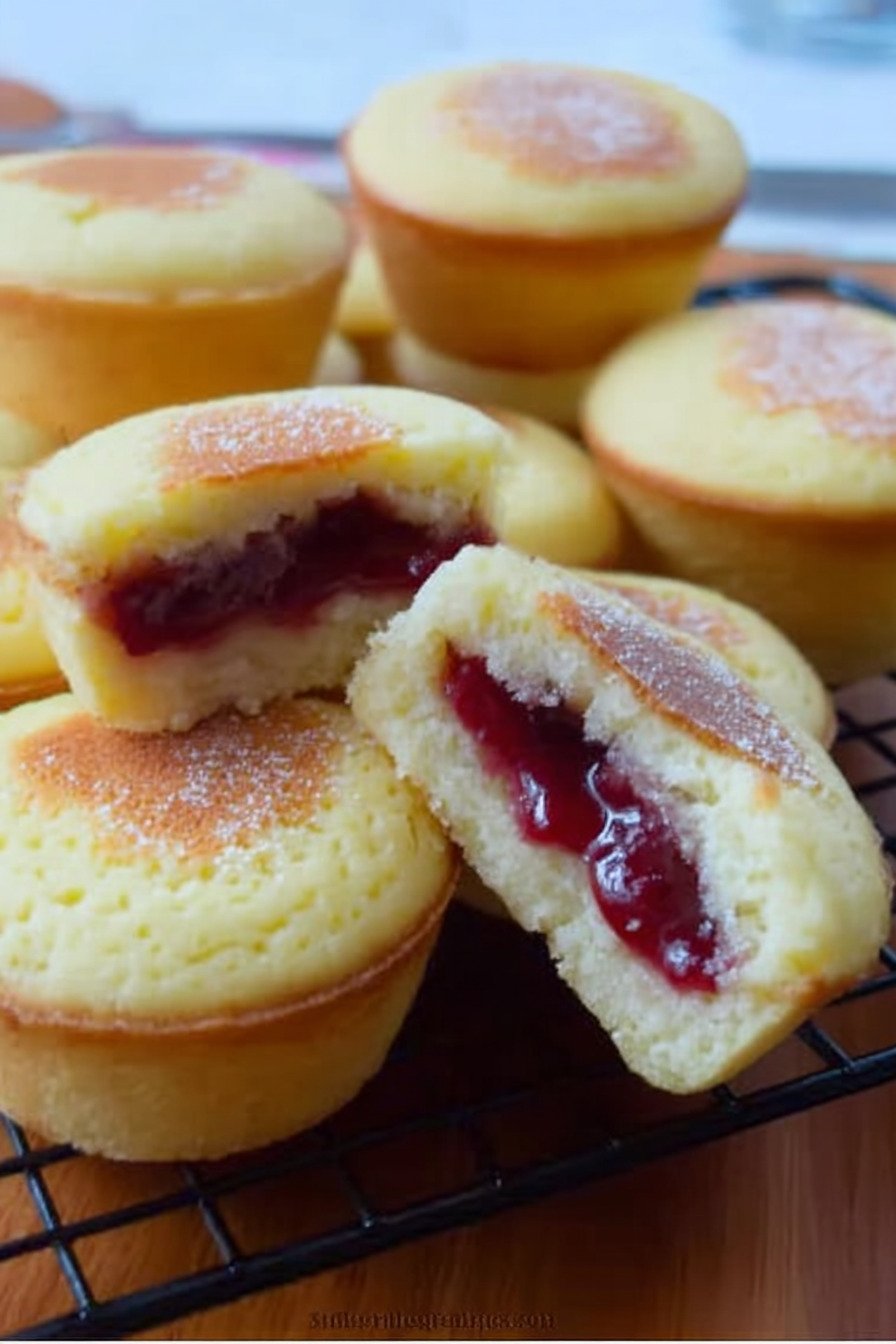
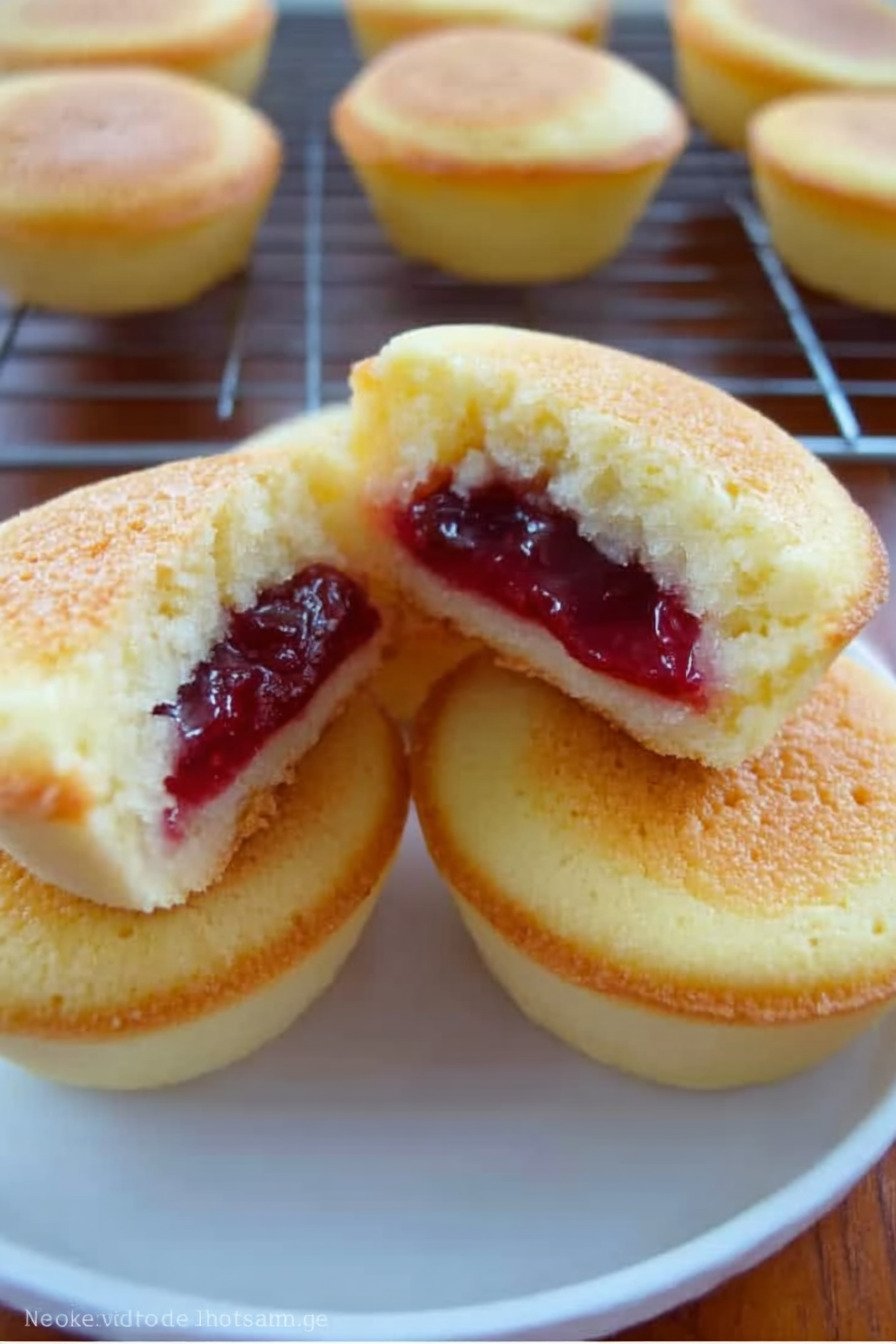
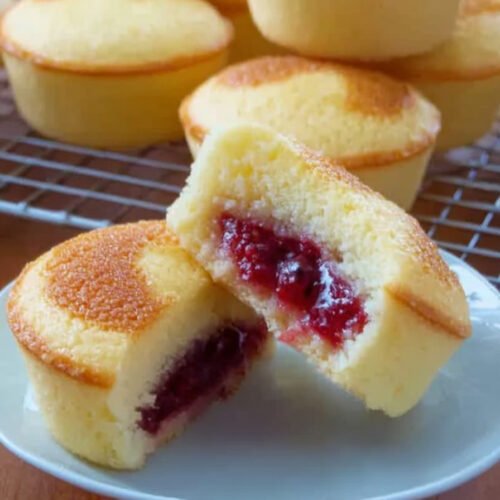
I’ve even tried a version where I slipped in a spoonful of jam into the center before baking. It turned into a strawberry cheesecake cookies recipes hybrid that made everyone smile. Play around if you want. Recipes are guides, not rules etched in stone.
6) Making Welsh Cheesecakes Ahead of Time
Let’s be honest. We all love the idea of pulling a fresh tray of warm cheesecakes from the oven. But sometimes you don’t have the time to bake in the moment. The good news? These can be prepared in advance.
You can make the dough the night before and keep it wrapped in the fridge. When you’re ready, roll it out, cut your rounds, and bake. It saves you from scrambling at the last minute while still giving that fresh-baked aroma in your kitchen.
I’ve also frozen the shaped dough. They bake beautifully straight from the freezer. Just add a couple of extra minutes to the baking time. Suddenly, you’ve got unique cheesecake recipes waiting in your freezer for when company drops by unannounced.
7) Storing Leftover Welsh Cheesecakes
If, and this is a big if, you happen to have leftovers, they store well. Keep them in a tin or airtight container. They’ll last for a few days and still taste good with a cup of tea. Though I admit, they rarely last that long in my house.
You can warm them in the oven for a few minutes the next day. It revives the buttery texture and makes them feel almost fresh again.
I’ve never tried freezing the baked ones because we eat them too quickly. But I imagine they’d hold up well for a few weeks. Welsh recipes like this are forgiving that way.
8) Try these Desserts next!
9) Welsh Cheesecakes
Cheesecake Cookies Recipes – Welsh Style Treats
Ingredients
- 225g plain flour
- 100g butter
- 75g sugar
- 1 egg
- 100g curd cheese
- Pinch of salt
- A little milk (if needed)
- Extra sugar for sprinkling
Instructions
- Preheat your oven to 180C (350F).
- Rub the butter into the flour and salt until it looks like breadcrumbs.
- Mix in the sugar.
- Beat the egg and stir it into the flour mixture.
- Fold in the curd cheese gently. If the dough feels too dry, add a splash of milk.
- Roll the dough on a floured surface and cut into rounds.
- Place on a greased baking tray and bake for 20 minutes or until lightly golden.
- Sprinkle with sugar while warm and let them cool slightly before eating.
10) Nutrition
Serving Size: 1 piece
Calories: 160
Sugar: 8 g
Sodium: 50 mg
Fat: 7 g
Saturated Fat: 4 g
Carbohydrates: 20 g
Fiber: 1 g
Protein: 4 g
Cholesterol: 30 mg
Written by Kathy at Simply Cooked Recipes

Leave a Comment