
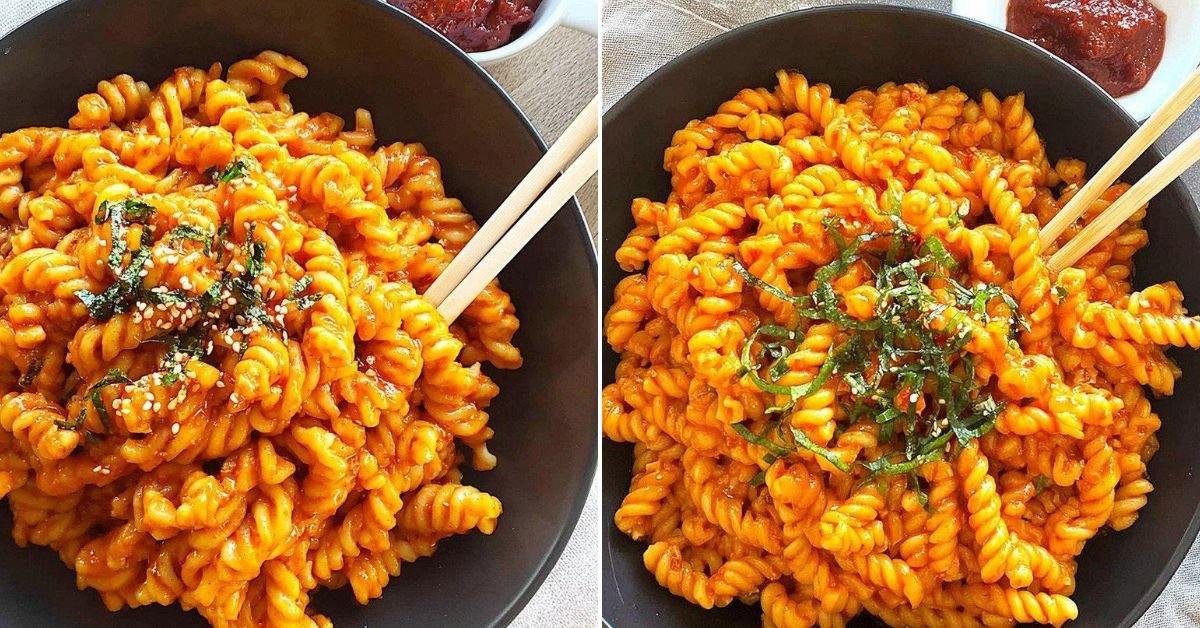
I’ll be honest, I never thought pasta night would take such a fiery twist until I met gochujang. This recipe leans into that bold Korean chili paste and creates a bowl of noodles that feels like a warm hug with a cheeky kick. You know those meals where you twirl your fork, taste, and immediately think, ‘Okay, I’m making this again’? Yeah, this is one of those. The sauce is creamy yet spicy, with gochujang holding the spotlight, while garlic and soy sauce play strong supporting roles. Toss it with pasta—any kind you love—and it becomes the kind of dinner that satisfies cravings you didn’t even know you had. It’s rich but not heavy, spicy but not punishing, and it comes together in less time than it takes to convince yourself you don’t need takeout. If you’ve ever been curious about blending different kitchen recipes into something that feels a little daring, this is your gateway dish. It takes the comfort we all want from food recipes pasta and layers in flavors that make it impossible to stop at just one bowl. I like to call it one of my healthy comfort food recipes because it’s both nourishing and exciting. Whether you’re curious about trying a gochujang paste recipe for the first time or you’ve been cooking with it for years, this food pasta will remind you that cooking at home can be playful, spicy, and downright comforting.
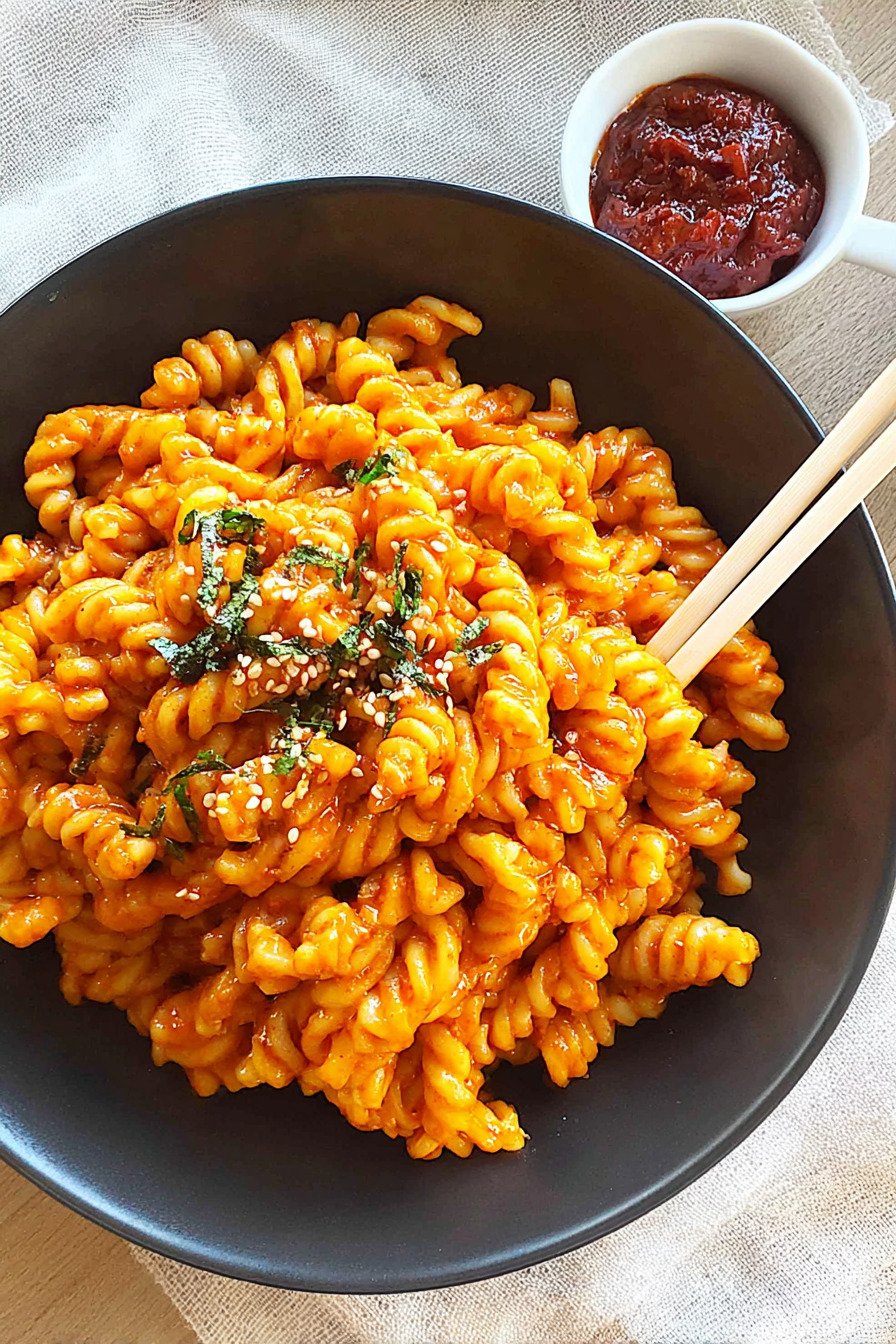
Table of Contents
- 1) Key Takeaways
- 2) Easy Gochujang Pasta Recipe
- 3) Ingredients for Gochujang Pasta
- 4) How to Make Gochujang Pasta
- 5) Tips for Making Gochujang Pasta
- 6) Making Gochujang Pasta Ahead of Time
- 7) Storing Leftover Gochujang Pasta
- 8) Try these Main Course next!
- 9) Gochujang Pasta
- 10) Nutrition
1) Key Takeaways
- This pasta uses gochujang paste for a spicy, creamy kick.
- The recipe is quick, simple, and perfect for weeknights.
- Comfort food recipes don’t always need hours of cooking.
- You can adjust spice, creaminess, and toppings easily.
2) Easy Gochujang Pasta Recipe
Comfort food recipes usually remind us of childhood meals, but this dish takes that feeling and flips it with bold flavor. Gochujang makes the pasta lively and satisfying. I’ve made it countless times and I still get excited when I smell garlic hitting butter in the pan. It’s a recipe that delivers warmth, fun, and spice in every forkful.
When you taste it, you’ll notice how the gochujang paste balances heat and sweetness. The cream smooths the sauce without dulling the spice. This makes it both cozy and bright. It’s the sort of meal that comforts and surprises at the same time. If you love pasta and you’re curious about adding Korean ingredients to your kitchen recipes, this is a safe and delicious way to start.
I find it handy on busy nights. While the pasta boils, the sauce comes together. In less than thirty minutes, I have a bowl that feels indulgent without being complicated. Cooking like this feels good, and sharing it at the table feels even better.
3) Ingredients for Gochujang Pasta
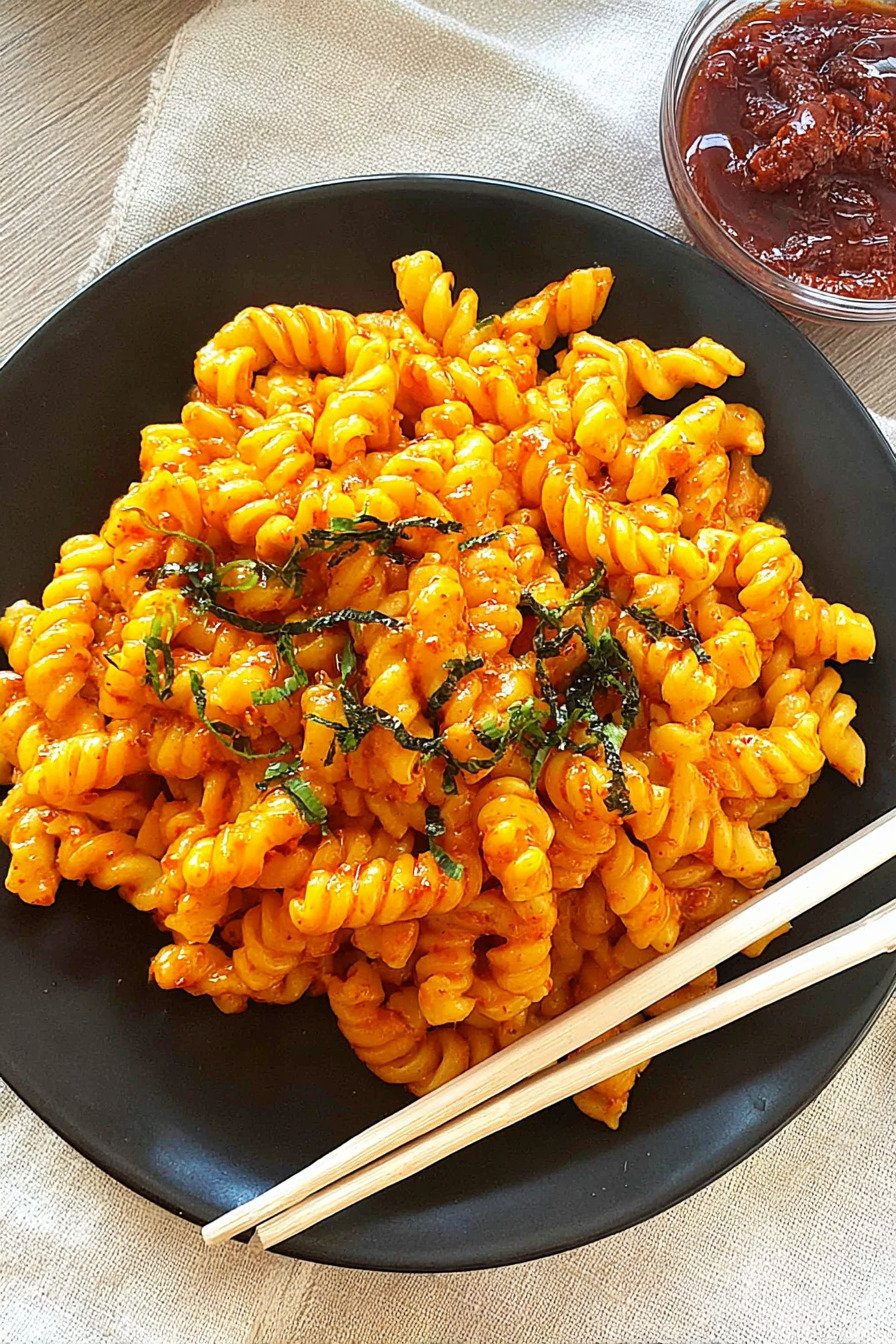
Pasta: I usually grab spaghetti, but any shape works. Penne or fusilli hold the sauce nicely. The point is comfort and ease, so pick the pasta that makes you happiest.
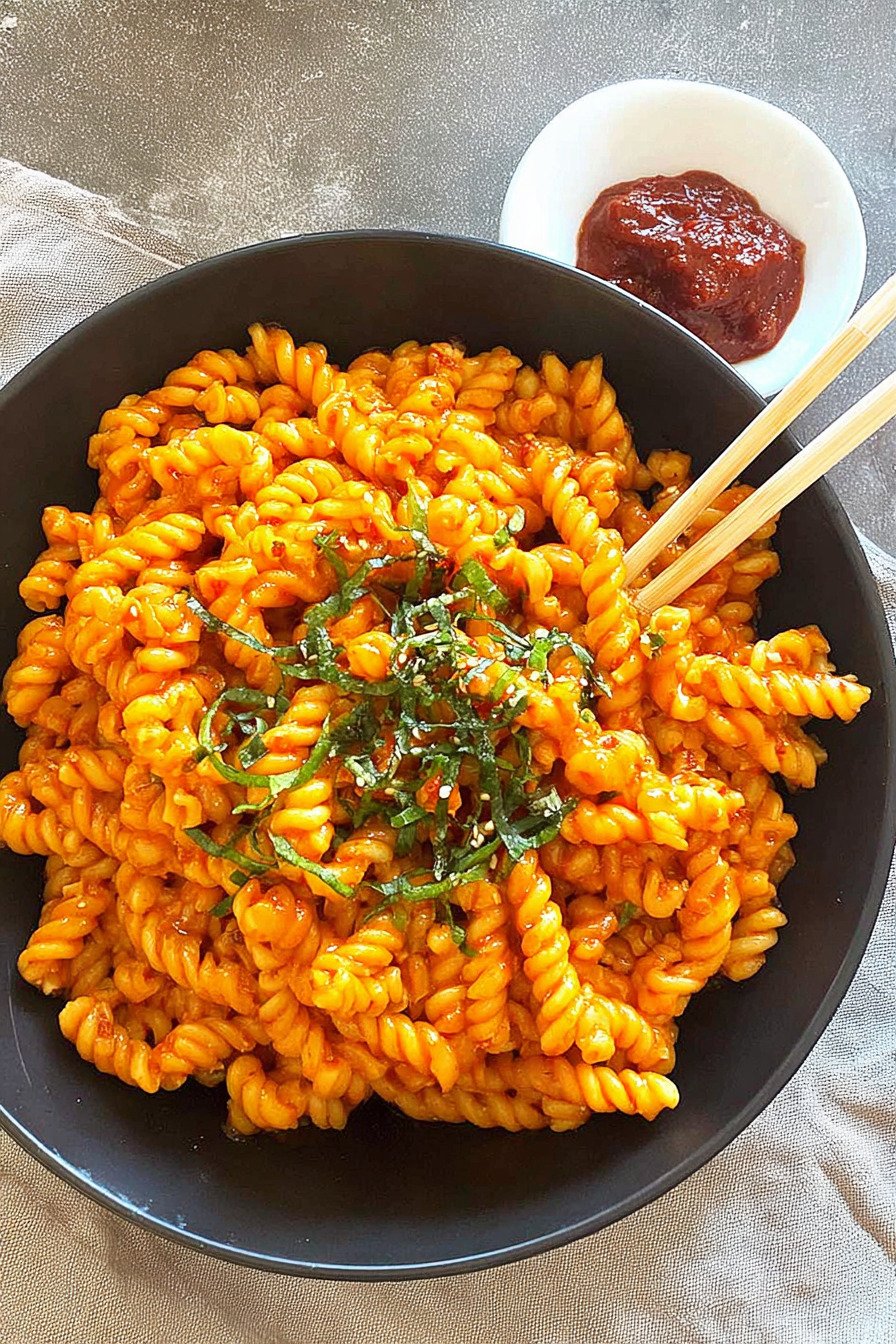
Gochujang Paste: This Korean chili paste brings deep spice and a hint of sweetness. It’s the star ingredient. If you’re new to it, start with less and add more as you adjust to the heat.
Soy Sauce: A splash adds depth and saltiness. It supports the gochujang without overpowering it.
Butter: It softens the spice and helps the sauce cling to the pasta. When butter sizzles with garlic, the aroma fills the kitchen recipes like comfort food should.
Garlic: Freshly minced cloves give a sharp, savory edge. They cut through the richness of cream and butter.
Heavy Cream: This makes the sauce silky and smooth. It mellows the chili while keeping flavor strong.
Parmesan Cheese: Grated Parmesan thickens the sauce and adds nuttiness. It melts into the pasta like a blanket.
Black Pepper: A pinch rounds the flavors and adds warmth at the finish.
Green Onions: Sliced fresh onions on top brighten the dish and add crunch. They finish it with color and bite.
4) How to Make Gochujang Pasta
Step 1. Boil pasta in salted water. Save half a cup of the water before draining. The salted water seasons the noodles from the inside out.
Step 2. Melt butter in a skillet. Add minced garlic and let it sizzle. The smell signals you’re on the right track.
Step 3. Stir in gochujang paste and soy sauce. Let them bubble together for flavor that sticks.
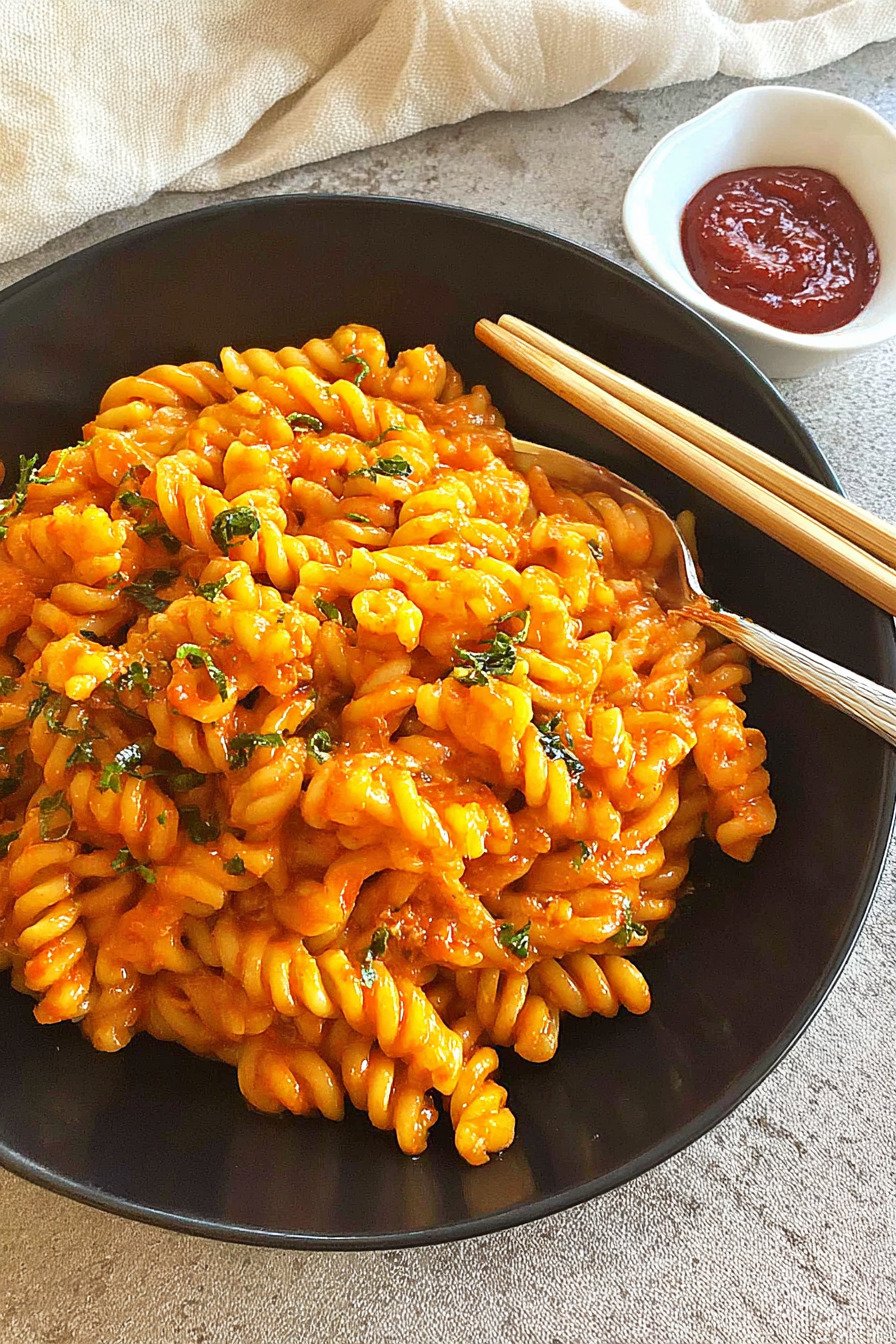
Step 4. Pour in cream and whisk until smooth. The sauce should look glossy and rich.
Step 5. Toss drained pasta into the skillet. Add pasta water as needed to loosen the sauce. Watch it coat each strand.
Step 6. Sprinkle Parmesan and black pepper. Stir until creamy. Taste and adjust salt if needed.
Step 7. Plate and garnish with green onions. Serve hot and enjoy how comfort food recipes can feel brand new.
5) Tips for Making Gochujang Pasta
Cook pasta al dente. Soft noodles lose their charm in a creamy sauce. Keep them firm for the right bite. It’s one of those food recipes pasta tricks that always pays off.
Adjust heat to your liking. Start with a little gochujang if you’re unsure. Add more once you taste. The paste has layers of spice that reward experimentation.
Balance flavors. Cream, butter, soy, and Parmesan all play roles. Don’t let one steal the show. Stir and taste as you go until it feels right.
Play with add-ins. Mushrooms, spinach, or even leftover chicken work well. Each brings texture and flavor that make the pasta personal.
6) Making Gochujang Pasta Ahead of Time
I like making a batch early in the day. The flavors settle and deepen as it sits. If you reheat it later, add a splash of milk or water to loosen the sauce. This keeps it creamy without turning heavy.
Keep pasta and sauce separate if you’re storing for long. Mix them just before serving. It prevents noodles from soaking up all the sauce. This trick works with many healthy comfort food recipes I keep in rotation.
If you want to pack lunches, portion the pasta in containers. Top with green onions only before eating so they stay crisp. It makes weekday meals faster and fresher.
7) Storing Leftover Gochujang Pasta
Store leftovers in a sealed container in the fridge. They last three to four days. I like adding a drizzle of cream or olive oil when reheating. It brings the sauce back to life.
For quick meals, microwave single portions. Stir halfway through heating so the sauce coats evenly. Or warm gently on the stove with a splash of water. Both methods keep it smooth.
Frozen portions work too, though cream can change texture. If freezing, skip the Parmesan until after reheating. This keeps the pasta tasting close to fresh.
8) Try these Main Course next!
9) Gochujang Pasta
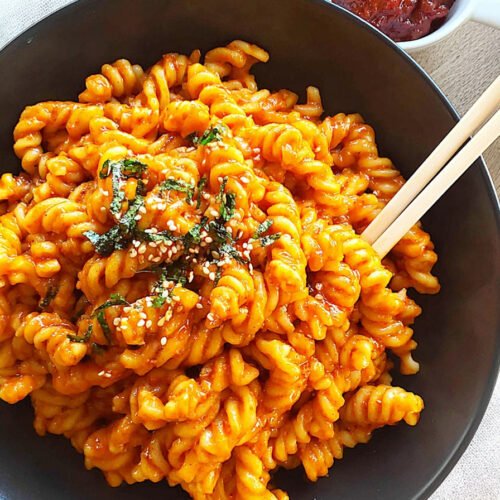
Gochujang Pasta Comfort Food Recipes
Ingredients
- 12 oz spaghetti or pasta of choice
- 2 tbsp gochujang paste
- 2 tbsp soy sauce
- 3 tbsp butter
- 3 cloves garlic, minced
- 1/2 cup heavy cream
- 1/4 cup grated parmesan
- 1/4 tsp black pepper
- 2 green onions, sliced (for garnish)
Instructions
- Cook pasta in salted boiling water according to package directions. Reserve 1/2 cup of pasta water, then drain.
- In a large skillet over medium heat, melt the butter and sauté garlic until fragrant.
- Stir in gochujang paste and soy sauce, letting them bubble together for about a minute.
- Pour in heavy cream and whisk until smooth and combined.
- Add the cooked pasta to the skillet and toss to coat, adding reserved pasta water as needed to loosen the sauce.
- Stir in parmesan and black pepper until creamy.
- Serve hot, topped with sliced green onions.
10) Nutrition
Serving Size: 1 serving, Calories: 410, Sugar: 3 g, Sodium: 620 mg, Fat: 22 g, Saturated Fat: 10 g, Carbohydrates: 42 g, Fiber: 2 g, Protein: 12 g, Cholesterol: 45 mg
Written by Kathy at Simply Cooked Recipes


Leave a Comment