

When I first learned how to make katsu chicken at home, I thought, well, here goes another messy kitchen. But let me tell you, the crunch was worth every breadcrumb scattered across the counter. This japanese bowls recipe is the kind of comfort food that sneaks up on you. The chicken comes out golden, crisp, and tender inside. Pair that with fluffy rice, shredded cabbage, and a drizzle of homemade tonkatsu sauce, and you’ve got a meal that feels both cozy and exciting. I’ve made a lot of chicken recipes over the years, but this one sits high on the list. The katsu sauce recipe hawaiian influence gives it a tangy-sweet kick, making every bite hard to stop at just one. It’s one of those japanese chicken recipes that makes you wonder why you didn’t start making it sooner. So if you’re craving something satisfying, give this katsu chicken recipe a try. It’s proof that crispy chicken recipes don’t need to be complicated—they just need a little patience, a hot pan, and a good appetite.
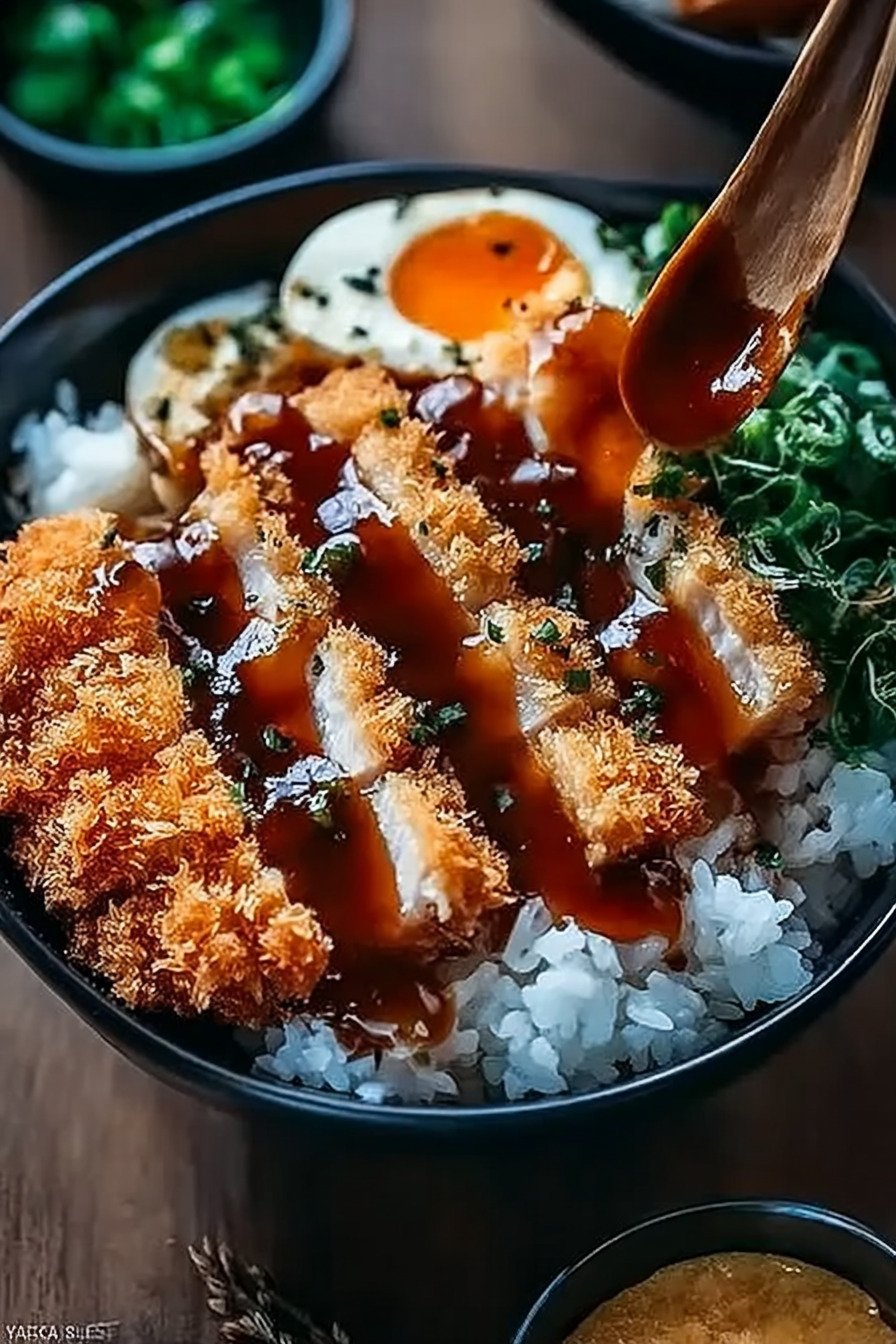
Table of Contents
- 1) Key Takeaways
- 2) Easy Japanese Katsu Bowls with Tonkatsu Sauce Recipe
- 3) Ingredients for Japanese Katsu Bowls with Tonkatsu Sauce
- 4) How to Make Japanese Katsu Bowls with Tonkatsu Sauce
- 5) Tips for Making Japanese Katsu Bowls with Tonkatsu Sauce
- 6) Making Japanese Katsu Bowls with Tonkatsu Sauce Ahead of Time
- 7) Storing Leftover Japanese Katsu Bowls with Tonkatsu Sauce
- 8) Try these Main Course recipes next!
- 9) Japanese Katsu Bowls with Tonkatsu Sauce
- 10) Nutrition
1) Key Takeaways
- This recipe makes crispy breaded chicken paired with rice, cabbage, and homemade tonkatsu sauce.
- Prep and cook time are short, making it weeknight friendly.
- The tonkatsu sauce has a tangy-sweet taste with pantry staples.
- It’s one of those chicken recipes that feels both comforting and exciting.
2) Easy Japanese Katsu Bowls with Tonkatsu Sauce Recipe
I love how approachable this recipe feels. The first time I tried making it, I worried the breading would slide off or the oil would misbehave. But once I got going, I realized it was far simpler than I imagined. That first bite, with the crunch of the chicken and the sweet-salty sauce, convinced me this needed a spot in our dinner rotation. I’ve made a lot of chicken recipes, and this one always brings me back because of how balanced it tastes.
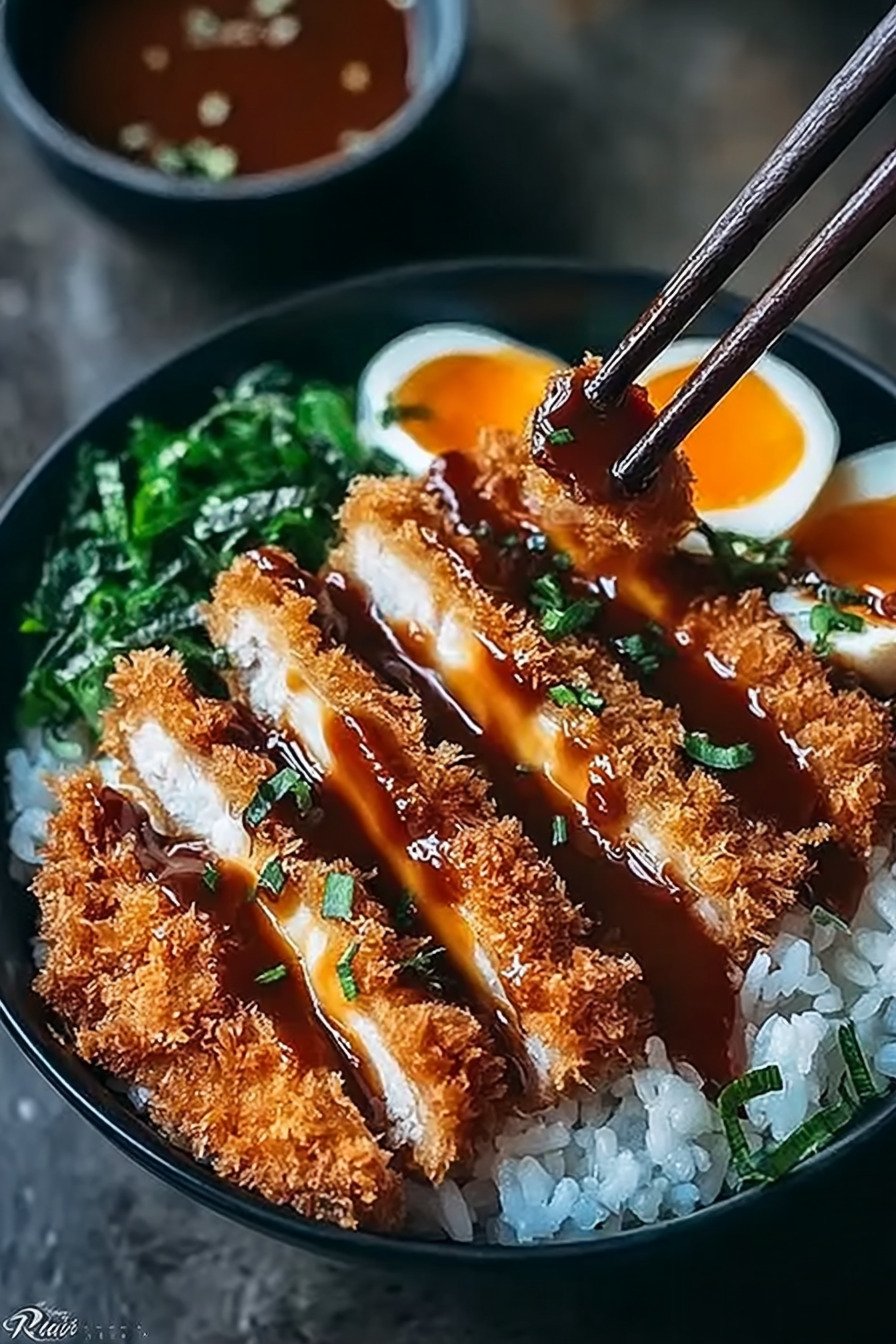
The rice forms a soft base, the cabbage brings freshness, and the sauce ties it all together. It’s a japanese bowls recipe that delivers flavor and texture without a fussy process. The chicken stays juicy, the coating stays crisp, and everything feels like it belongs in the same bowl.
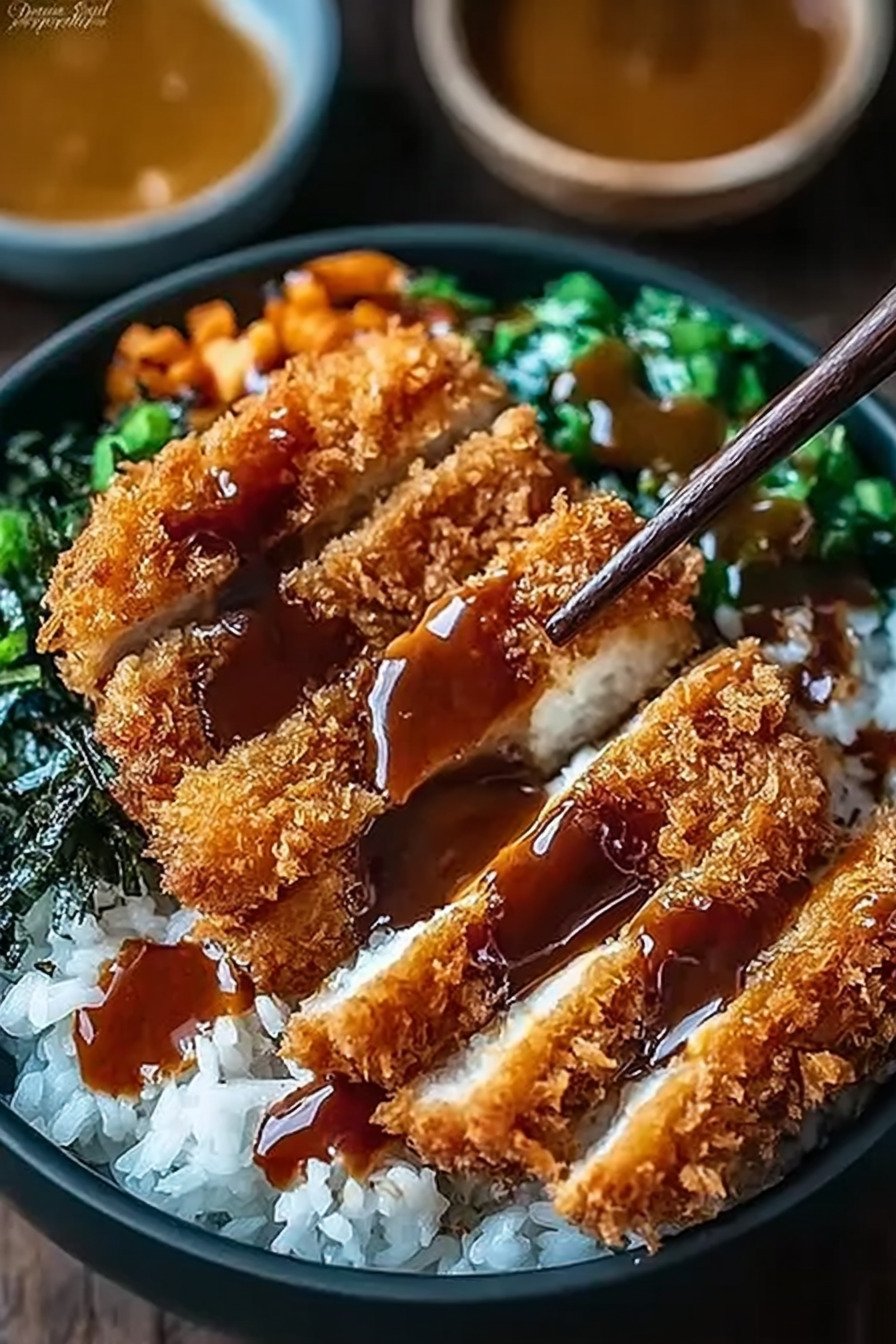
Meals like this remind me why cooking at home beats takeout. It feels like care went into every layer, from the golden coating to the sauce drizzled over top. If you enjoy crispy chicken recipes, this is the kind you’ll want to revisit again and again.

3) Ingredients for Japanese Katsu Bowls with Tonkatsu Sauce
Chicken Breasts: Boneless and skinless pieces that fry quickly and stay juicy inside. I like to pound them gently so they cook evenly.
Panko Breadcrumbs: These flakes stay light and crisp in the oil, creating that familiar crunch we crave in katsu chicken recipe versions.
All-Purpose Flour: A thin coat of flour helps the egg stick and gives the crumbs something to cling to.
Eggs: Beaten until smooth, they lock the crumbs to the chicken and create a golden layer when fried.
Vegetable Oil: Neutral in flavor and steady for frying. I prefer it over stronger oils so the chicken flavor stands out.
Cooked Rice: Warm and fluffy, it balances the crunchy chicken and sauce. It’s the anchor of this tonkatsu recipe bowl.
Cabbage: Shredded thin, it adds a cool bite and lightens the heaviness of fried food.
Green Onions: Fresh slices that brighten the bowl with a subtle sharpness.
Tonkatsu Sauce Ingredients: Ketchup, Worcestershire, soy sauce, mirin, mustard, and sugar blend into a tangy-sweet drizzle that finishes the katsu sauce recipe hawaiian inspired bowl.
4) How to Make Japanese Katsu Bowls with Tonkatsu Sauce
Step 1. Pound the chicken lightly so it cooks evenly. Season both sides with a pinch of salt and pepper.
Step 2. Dredge the chicken in flour, dip it into the beaten eggs, and press it into the panko until coated.
Step 3. Heat oil in a skillet over medium heat. Lay the chicken in gently and fry until crisp and golden, about three to four minutes per side.
Step 4. Rest the chicken on paper towels for a minute, then slice into strips.
Step 5. Stir together ketchup, Worcestershire, soy sauce, mirin, mustard, and sugar for the tonkatsu sauce. Taste and adjust sweetness if needed.
Step 6. Assemble bowls with rice, cabbage, and sliced chicken. Spoon sauce over the top, then finish with green onions and sesame seeds if you like.
5) Tips for Making Japanese Katsu Bowls with Tonkatsu Sauce
Keep the oil at a steady temperature so the chicken cooks through without burning. If it’s too hot, the crumbs darken too fast. If it’s too cool, the breading turns soggy instead of crisp.
Work in small batches so the oil doesn’t cool down. Crowding the pan always leads to uneven results. It feels slower, but it pays off with chicken that fries up light and crunchy.
Use a wire rack if you have one instead of just paper towels. The airflow underneath keeps the coating from steaming and softening. That small swap makes these japanese chicken recipes taste restaurant-level at home.
6) Making Japanese Katsu Bowls with Tonkatsu Sauce Ahead of Time
When I plan meals for the week, I often fry extra chicken and tuck it away for later. Once it cools, I wrap it and refrigerate. The breading softens a little, but reheating in the oven brings much of the crunch back.
The sauce keeps in a jar in the fridge for several days. A quick stir brings it back together when I’m ready to pour it over hot rice and chicken. That way, I don’t feel like I’m starting from scratch every time.
Bowls like this make sense for busy nights. You can cook rice ahead, shred cabbage in advance, and have most of the work done long before dinner. It’s a rhythm that saves time and keeps homemade meals within reach.
7) Storing Leftover Japanese Katsu Bowls with Tonkatsu Sauce
Leftovers store well if you separate the parts. Keep the chicken wrapped in foil or a container, the rice in another, and the cabbage fresh on its own. This way, nothing turns soggy in the fridge.
When you reheat, warm the rice gently and bring the chicken back in the oven for ten minutes at 350°F. The heat revives the crunch better than the microwave does. Then toss everything together like you just cooked it.
I find it comforting knowing that dinner is halfway ready just by pulling a few containers out. It feels less like leftovers and more like another round of a favorite meal.
8) Try these Main Course recipes next!
9) Japanese Katsu Bowls with Tonkatsu Sauce

Chicken Recipes Japanese Katsu Bowls with Tonkatsu Sauce
Ingredients
- 2 boneless, skinless chicken breasts
- 1 cup panko breadcrumbs
- 1/2 cup all-purpose flour
- 2 large eggs, beaten
- Salt and pepper, to taste
- Vegetable oil for frying
- 2 cups cooked white rice
- 2 cups shredded green cabbage
- 2 green onions, sliced
- Sesame seeds, for garnish
- For Tonkatsu Sauce: 1/4 cup ketchup
- 2 tbsp Worcestershire sauce
- 1 tbsp soy sauce
- 1 tbsp mirin (or honey)
- 1 tsp Dijon mustard
- 1 tsp sugar
Instructions
- Pound chicken breasts lightly until even thickness. Season with salt and pepper.
- Dredge chicken in flour, dip in beaten eggs, then coat in panko breadcrumbs.
- Heat about 1/2 inch vegetable oil in a skillet over medium heat. Fry chicken until golden and cooked through, about 3–4 minutes per side.
- Remove and let rest on a paper towel-lined plate.
- Slice chicken into strips.
- Whisk together ketchup, Worcestershire sauce, soy sauce, mirin, mustard, and sugar to make the tonkatsu sauce.
- To serve, place rice in bowls, top with shredded cabbage and sliced chicken, drizzle with sauce, and garnish with green onions and sesame seeds.
10) Nutrition
Serving Size: 1 bowl | Calories: 540 | Sugar: 12 g | Sodium: 890 mg | Fat: 24 g | Saturated Fat: 4 g | Carbohydrates: 58 g | Fiber: 3 g | Protein: 26 g | Cholesterol: 110 mg

Leave a Comment